News
B3 deploys Android Enterprise to 1,000 employees in under two weeks
Brazilian stock exchange B3 says Android Enterprise and Samsung helped it deploy a secure mobile setup faster while preparing its workforce for AI-enabled productivity.
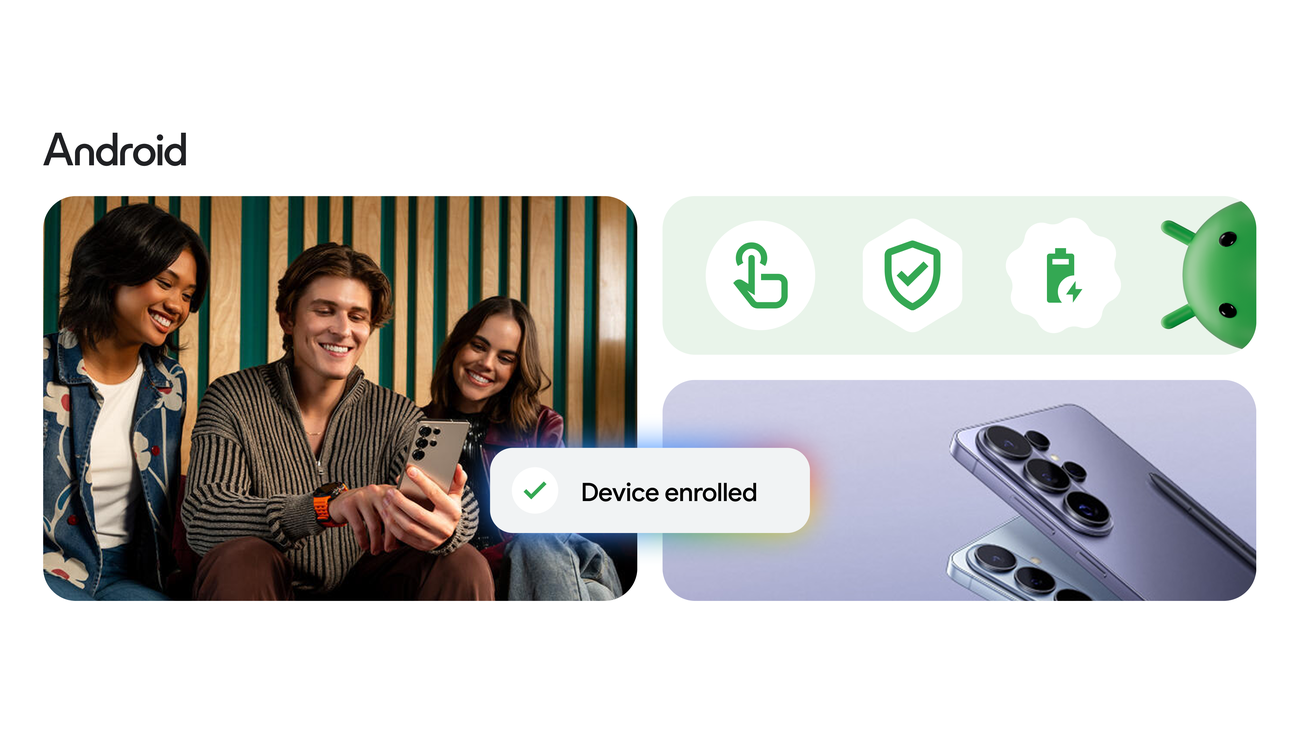
Brazilian stock exchange B3 says it equipped 1,000 employees with a new Android-based mobile setup in less than two weeks. The company described the project in a July 1 post on Google’s Android Enterprise blog, presenting the rollout as a combination of faster deployment, managed app distribution and stronger controls for a regulated financial business.
The case is less about a new consumer phone than about how mobile IT teams are managing smartphones at scale. B3 says Android Enterprise and Samsung helped it replace a slower, more hands-on rollout process with a centrally managed fleet that can support both company-owned devices and bring-your-own-device users.
Zero-touch enrollment shortened the rollout
According to B3 IT Senior Manager Raul Chavarria, the organization previously needed extensive coordination and in-person support whenever it rolled out devices. That added operational complexity and made deployment harder to repeat across the workforce.
The company used Android Enterprise zero-touch enrollment to automate much of the setup. B3 says that once a device is turned on, its IT team can apply policies from a centralized dashboard instead of configuring every handset individually. The organization says it equipped most of its workforce, including its fully managed mobile fleet and BYOD employees, in under two weeks.
That process also extends to applications. B3 says Managed Google Play lets administrators control where and how business apps are distributed. For a financial institution, the value is not simply installing apps faster: it is keeping the approved software environment consistent while limiting unnecessary exposure to unverified tools.
Security was part of the platform decision
B3 describes itself as a regulated financial institution, so mobile access has to be balanced with compliance and availability. In the official account, the company points to Android’s layered security model, including hardware-backed cryptography, app sandboxing and AI-based threat detection.
Those protections are presented as part of the selection process rather than as a result from an independent product test. Google’s post says B3 evaluated both major mobile ecosystems across its benchmarks, but it does not publish the test methodology, device models, scores or the specific security configuration used in production. That distinction matters: the announcement documents B3’s deployment experience, not a universal performance comparison between Android and other platforms.
Large screens and longer battery life
B3 also says the new devices addressed practical problems that had affected its staff. Operations teams need to remain available around the clock, while employees had struggled to read messages on small five-inch screens.
The company moved to lightweight devices with seven-inch displays, higher refresh rates and longer-lasting batteries. B3 says employee feedback has been positive and that the hardware supports a broad range of business applications. The post does not identify the Samsung models, battery capacities or refresh-rate figures, so those details should not be treated as specifications for every Android Enterprise deployment.
The change is relevant to mobile workers even though B3 describes its team as mostly office-based. Internal tools and third-party web applications still need to remain accessible when employees are away from a desk, and larger displays can make dashboards, alerts and documents easier to review without switching to a laptop.
AI is the next layer of the rollout
B3 says it is moving beyond experimental AI use toward a more agentic approach to management productivity. The company highlights Google Gemini features on Android for content creation, information access and task optimization.
That claim should be read as a description of B3’s direction, not as proof that every employee has access to the same AI tools or that all workflows have already been automated. The announcement does not specify which Gemini features are enabled, what data controls apply to them, or how the company measures productivity gains.
For enterprise buyers, that missing detail is important. AI capabilities on managed smartphones have to fit existing identity, data-loss prevention and app-governance policies. A centrally enrolled device can make those policies easier to apply, but it does not remove the need for administrators to decide which services may access company information and which actions require user approval.
A projected saving, not an audited result
B3 says it projects cost savings of around 30% over the next decade by choosing Android. The company expects those savings to support more frequent hardware refresh cycles, keeping employees on newer devices for longer.
That is a forward-looking internal projection rather than a measured financial result. Google’s post does not provide procurement prices, maintenance costs, licensing assumptions or an independent audit. The practical takeaway is narrower: B3 believes the combination of Android hardware, Samsung’s device support and Android Enterprise management will lower its long-term fleet costs while preserving its security requirements.
The announcement shows why enterprise smartphone decisions are increasingly shaped by deployment software as much as by the handset itself. For B3, the reported gains came from connecting enrollment, security controls, app distribution, hardware usability and AI access in one managed workflow. Whether the same outcome can be reproduced elsewhere will depend on the organization’s device mix, compliance obligations, existing management tools and the quality of its own testing.