News
Google Pixel 11 Pro HiLight keeps updates visible with the screen off
Google’s new HiLight feature uses color-coded lights to signal Gemini activity and important calls while Pixel 11 Pro phones remain face down.
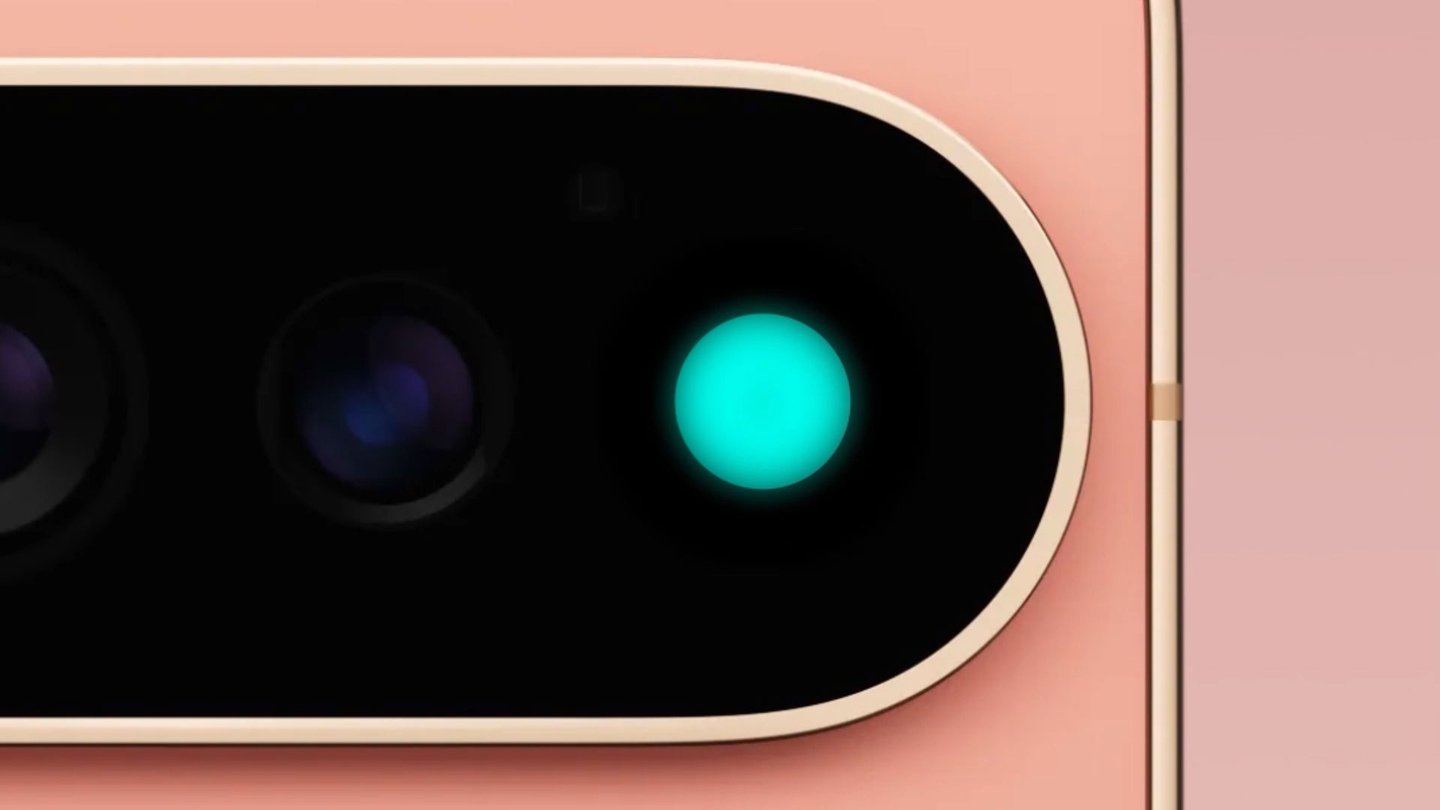
Google is adding a new visual signal to its latest Pixel Pro phones. In an official announcement published on August 13, the company introduced HiLight, a feature designed to keep users informed without requiring them to pick up the phone or turn on its display.
HiLight is built around a simple idea: a phone can communicate small but timely updates through color-coded light patterns. Instead of presenting another notification that demands a glance at the screen, the Pixel 11 Pro, Pixel 11 Pro XL and Pixel 11 Pro Fold can remain face down while still signalling that something relevant is happening.
A signal, not another screen
Google positions HiLight as a way to reduce unnecessary interruptions. The feature is intended for moments when users want to remain present but still need a basic indication of what their phone is doing. A light signal cannot replace the information shown inside an app, but it can answer a narrower question: should I check the phone now?
That distinction matters because the feature does not attempt to display a full message or summary. It offers a visual cue, leaving the user to decide whether the underlying notification is worth opening. In practical terms, this could make a face-down phone less opaque without turning it into another always-visible display.
HiLight shows what Gemini is doing
Google’s clearest example involves Gemini. After a user prompts the assistant, HiLight can use different patterns to indicate whether Gemini is listening, thinking or responding. The announcement does not describe the light as an answer system; it functions as a status indicator for the interaction.
That could be useful when a user has started an action and wants to keep their attention elsewhere. A changing pattern can show that the request is still being processed, while a different signal can indicate that Gemini has finished responding. The phone therefore communicates progress without requiring the user to repeatedly wake the screen and check the app.
The approach also gives the interaction a more physical quality. Gemini remains a software service, but HiLight makes its states visible through the phone itself. Google is using the hardware as a quiet notification layer rather than relying exclusively on banners, sounds or vibrations.
Custom colours for important callers
HiLight is not limited to Gemini. Google says users can assign custom colours to incoming calls from people who matter most to them. When the phone rings, the colour can provide an immediate clue about who is calling before the user looks at the display.
This is a small change, but it targets a common problem with notifications: many alerts look interchangeable until the phone is opened. A personalised colour may help users make a quick decision about whether to answer, silence the call or let it go to voicemail. The feature is still only a cue, so users will need to check the screen for the caller’s full details or to interact with the call.
Three Pixel Pro models will get the feature
Google is introducing HiLight on the Pixel 11 Pro, Pixel 11 Pro XL and Pixel 11 Pro Fold. The company says all three phones are available for preorder, starting at $1,099, $1,299 and $1,899 respectively. They are scheduled to reach the Google Store and retail partners on August 20.
Those prices and dates come from Google’s announcement and should not be read as a universal market guarantee. Availability, local pricing and retail participation can vary, so buyers should check the Google Store or an authorised local retailer before ordering.
The announcement also keeps the feature closely tied to this new Pixel Pro generation. Google describes HiLight as part of the latest Pixel experience and does not announce it as a general update for older Pixel phones. That makes it a hardware-linked feature rather than a notification redesign that every Android user should expect to receive.
Why the idea is relevant
Smartphone makers have spent years adding richer displays, more prominent notifications and increasingly capable assistants. HiLight moves in the opposite direction by making the phone less demanding. It provides less information at once, but it may also reduce the urge to unlock the device for every alert.
The usefulness will depend on how clearly the patterns can be understood and how often users receive signals that genuinely matter. A colour assigned to a close contact could be helpful, while too many custom alerts could recreate the distraction HiLight is designed to avoid. Google’s announcement presents the feature as a way to stay informed, not as a replacement for notification controls or personal judgement.
For now, HiLight is best understood as a new interface layer for Google’s Pixel 11 Pro family. It combines a glanceable hardware signal with Gemini status updates and selected call alerts, giving users another way to decide when a screen deserves their attention.