
News
Huawei unveils Pura 90s Pro Max and Pro with new mobile imaging features
Huawei's July 14 launch introduced the Pura 90s Pro Max and Pro, pairing camera-focused hardware with AI editing tools and EMUI 16.
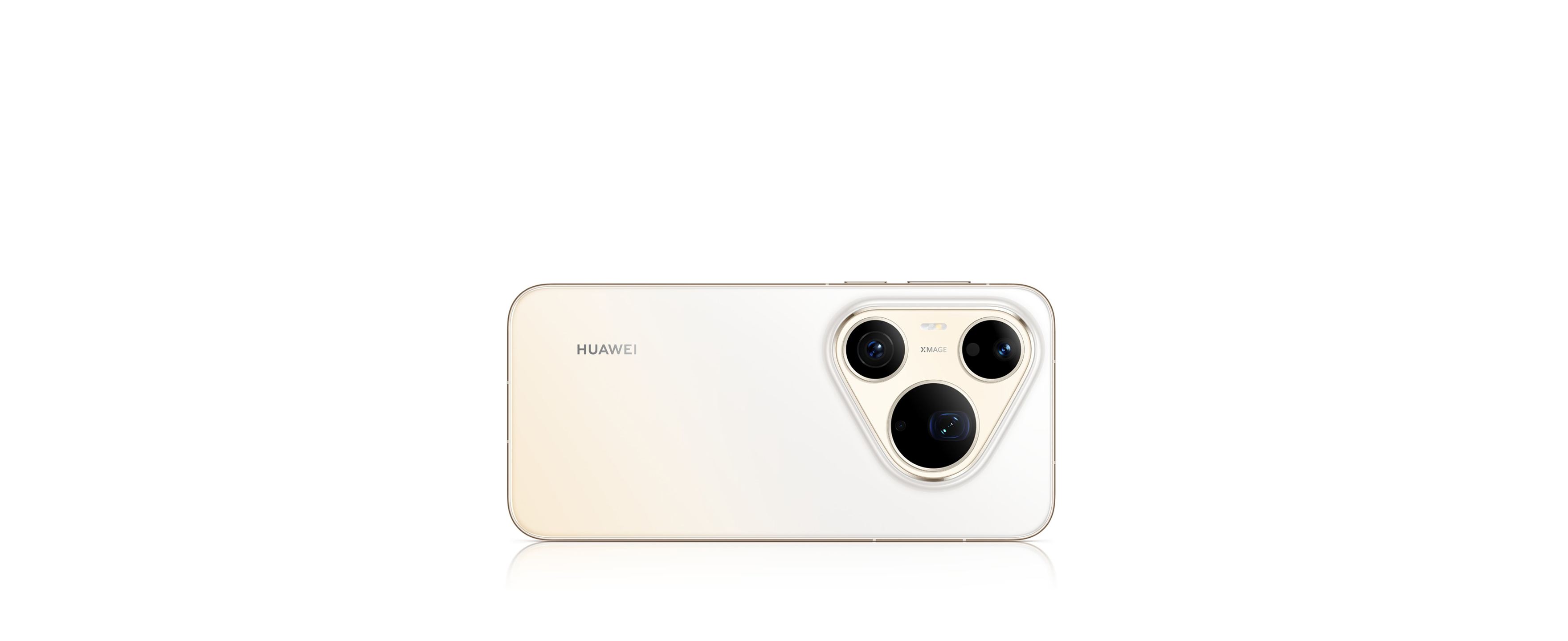
Huawei used its July 14, 2026 flagship launch in Kuala Lumpur to introduce the Pura 90s Pro Max and Pura 90s Pro, two smartphones built around mobile photography and AI-assisted editing. The same event also presented the MatePad Air and FreeClip 2 S, but the Pura 90s range was the clearest signal of where Huawei is placing its mobile emphasis: camera hardware, computational photography and connected software experiences.
The Pura 90s Pro Max sits at the top of the new range. Huawei lists a 200 MP ultra-large-sensor telephoto camera as its headline imaging feature. The manufacturer says the sensor is available at 4× zoom and requires a HOTA update, so the headline resolution should be understood alongside those conditions rather than as a blanket description of every camera mode. Huawei also highlights 20× telephoto video, an Ultra Lighting HDR Camera and its True-to-Colour Camera 2.0 processing system.
Those features are supported by a set of software tools aimed at the moments after the shutter is pressed. AI Composition can provide framing prompts while users are shooting. AI De-glare is designed to reduce unwanted reflections, while AI Move lets users reposition elements within a photo. Huawei presents these functions as part of the phone's wider imaging workflow, although the company also states that some AI effects are intended for reference and that feature support can vary by country or region.
A larger camera system, with conditions attached
The Pura 90s Pro Max product page also lists a 6,000 mAh typical battery capacity for non-EU markets, with different rated capacities stated for EU markets. Huawei says the phone supports 100 W wired HUAWEI SuperCharge when paired with the appropriate 100 W charger and cable. These are manufacturer specifications, not figures independently measured by Mobiletechscope, and Huawei notes that actual performance can vary with software, environment and usage.
The standard Pura 90s Pro follows the same imaging direction with a different camera emphasis. Its headline feature is an Ultra Lighting Macro Telephoto Camera with a minimum focus distance of 5 cm. That gives the model a clear close-up photography angle, while Huawei also lists True-to-Colour Camera 2.0, AI Composition, AI De-glare and AI Move among its imaging tools. The Pura 90s Pro is likewise presented with a 6,000 mAh battery and EMUI 16.
Both phones are framed as AI-enabled devices rather than camera hardware alone. Huawei describes Celia as an assistant that can recommend attractions, find routes, hail rides, make calls, organise schedules, set reminders and access system tools. The product documentation says an internet connection is required for some functions, that image recognition and smart replies are not supported in the current version, and that certain capabilities are planned for a future update. Those qualifications matter because the launch material does not establish that every advertised assistant function is available immediately in every market.
Connectivity and the wider device launch
Huawei also says the Pura 90s Pro Max is designed to maintain connectivity in busy environments and while users are moving. Its product page describes boosted signal strength but does not present a universal performance guarantee; call quality and network stability depend on the carrier network, signal coverage and local conditions. That makes the claim relevant to the telecom vertical, but it should not be confused with an independent reception test.
The wider launch places the phones inside a broader Huawei device portfolio. The MatePad Air extends the announcement into tablets, while the FreeClip 2 S adds an open-ear audio product. Huawei's event page lists all four product families together, but it does not state a single worldwide release schedule or a common price structure. Regional availability and specifications therefore remain matters for local Huawei announcements.
For mobile users, the practical story is less about one isolated camera number than about the combination Huawei is proposing: a high-resolution telephoto system, close-up imaging on the Pro model, automated editing tools, an assistant layer and EMUI 16. The Pura 90s Pro Max is the more ambitious device on paper, while the Pura 90s Pro offers a narrower macro-telephoto focus. Neither positioning can be treated as a confirmed camera or battery verdict until independent testing is available.
Huawei's July launch is therefore best read as a product announcement and software roadmap. It confirms the company's current priorities in premium mobile imaging and on-device assistance, while leaving important questions—regional rollout, sustained battery life, camera consistency and real-world network behaviour—for later verification. This article reports Huawei's official claims and does not present a hands-on test.