
News
Motorola’s 2026 Razr Family Brings More to the Cover Screen
Motorola’s new razr ultra, razr+ and razr foldable phones pair larger cover-screen experiences with AI photography tools and distinct hardware tiers.
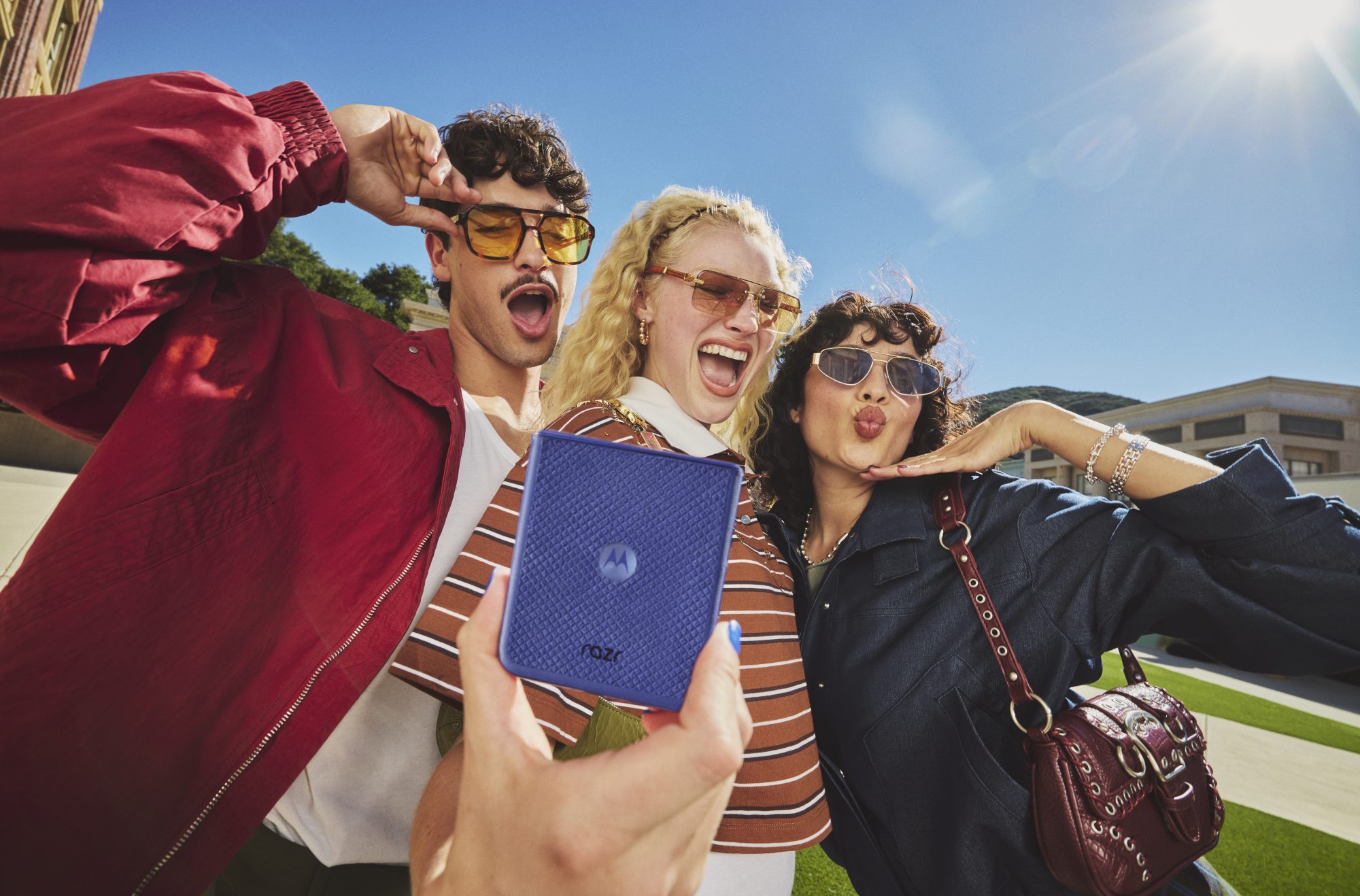
Motorola is expanding its 2026 foldable range with three new flip phones: the motorola razr ultra, motorola razr+ and motorola razr. The lineup keeps the compact, pocketable format that defines the razr brand, but gives each model a clearer role, from flagship performance and advanced cameras to a more accessible entry point.
The announcement is notable because Motorola is treating the outer display as a primary phone surface rather than a simple notification panel. On the standard razr, users can run full apps, reply to messages, check notifications and control media without opening the handset. The razr ultra and razr+ go further with larger 4-inch external displays designed for apps, games, widgets and hands-free interactions.
That approach reflects how foldables are becoming less about showing a smaller screen and more about changing when the main display is needed. Quick tasks can stay on the cover, while the internal panel remains available for longer reading, editing, gaming or video sessions. It is a practical distinction, although the usefulness of the experience will still depend on app compatibility and how comfortable users find navigating a narrow outer screen.
Three phones, three different priorities
The motorola razr ultra is the range-topping model. Motorola lists a 7-inch internal Extreme AMOLED display, a 4-inch external display with a 165Hz refresh rate and peak brightness of up to 3,000 nits, plus a Snapdragon 8 Elite Mobile Platform. Its external screen is intended to support richer interactions, including app access, widgets, games and voice conversations with Google Gemini.
The razr+ uses the same 4-inch external-display concept and a 6.9-inch internal screen. It is powered by the Snapdragon 8s Gen 3 Mobile Platform and is positioned below the ultra while retaining a premium design, Dolby Vision support and wireless charging. The standard motorola razr also has a 6.9-inch internal display, but uses a 3.6-inch cover screen and a MediaTek Dimensity 7450X processor.
The hardware separation is useful for buyers because it avoids presenting the family as three nearly identical phones. The ultra is aimed at users who want maximum performance and camera capability, the razr+ balances flagship-style features with a lower tier, and the standard razr focuses on the core foldable experience. Motorola has not presented the three devices as interchangeable, and the specifications make that positioning clear.
Camera software is central to the update
Motorola is also using the new razr family to introduce a broader set of AI-assisted camera features. The razr ultra combines a 50MP camera system with a next-generation LOFIC sensor, optical image stabilisation and Dolby Vision Capture. Motorola says the sensor is designed to preserve more detail between bright highlights and deep shadows, but those are manufacturer claims rather than independent test results.
Across the range, the software includes Camcorder Rotate to Zoom, which uses a wrist gesture to control zoom while recording, along with Group Shot, Signature Style, Frame Match and Creative Watermarks. Group Shot combines multiple frames to improve expressions in a group photo, while Signature Style learns editing preferences from a user’s gallery. Motorola notes that Group Shot can recognise up to ten people and is not available on the standard razr, so the feature list is not identical across the family.
The phones also support Ultra HDR optimisation for Instagram. Motorola says the razr is the first smartphone brand to showcase Google Photos wardrobe, a feature that can identify clothing in a user’s existing photo library and help create combinations without requiring a separate download. These tools point to a broader shift in smartphone software: the camera app is becoming an editing and organisation layer as much as a capture tool.
AI choices extend beyond one assistant
The new razr models include Motorola’s moto ai features, such as Catch Me Up for summarising notifications and Next Move for suggesting actions based on context. Motorola also highlights a global search tool that can look across apps, contacts, calendar entries and messages. Access to features varies by device, region, language and account, and some functions require an internet or cellular connection.
Motorola is not limiting users to a single AI service. The announcement also references Google Gemini, Gemini Live, Microsoft Copilot and Perplexity for different tasks, including writing, visual assistance, search and productivity. That wider choice could make the phones more flexible, but it also means the experience may be fragmented across separate accounts, permissions and privacy policies.
Durability, battery life and availability
The three phones use titanium-reinforced hinges, while the razr ultra adds Corning Gorilla Glass Ceramic 3 to its external display. Motorola says the regular razr meets selected military durability requirements, but also makes clear that controlled certification does not guarantee protection against every real-world accident. The family comes in plastic-free packaging, and Motorola says the devices have earned the European Union’s top Class A energy-efficiency rating.
Battery capacity and charging also vary. The razr ultra has a 5,000mAh battery and 68W charging, the razr+ has a 4,500mAh battery and 45W charging, while the standard razr has a 4,800mAh battery and 30W charging. Motorola’s endurance and charging-time claims are based on its own testing conditions, so they should not be treated as independent performance results.
Motorola lists the razr ultra, razr+ and razr for United States availability, while the related razr 70 ultra, razr 70 plus and razr 70 names are used for other markets. Local pricing, sales dates and exact configurations can differ, and the company directs buyers to regional channels for confirmation.
The bigger story is the way Motorola is making the cover display a central part of the foldable proposition. The new razr family offers more useful interactions before the phone is opened, while the different processors, cameras and charging systems create clearer choices between models. Whether that translates into a better daily experience will depend less on the headline AI features than on app support, software consistency and how naturally users can complete tasks on the outer screen.