
News
Nokia selected for Virgin Media O2’s new UK 5G RAN programme
Nokia has been selected for a multi-year 5G radio access network deployment and modernisation programme with Virgin Media O2 across the UK, with future pilots focused on automation and energy efficiency.
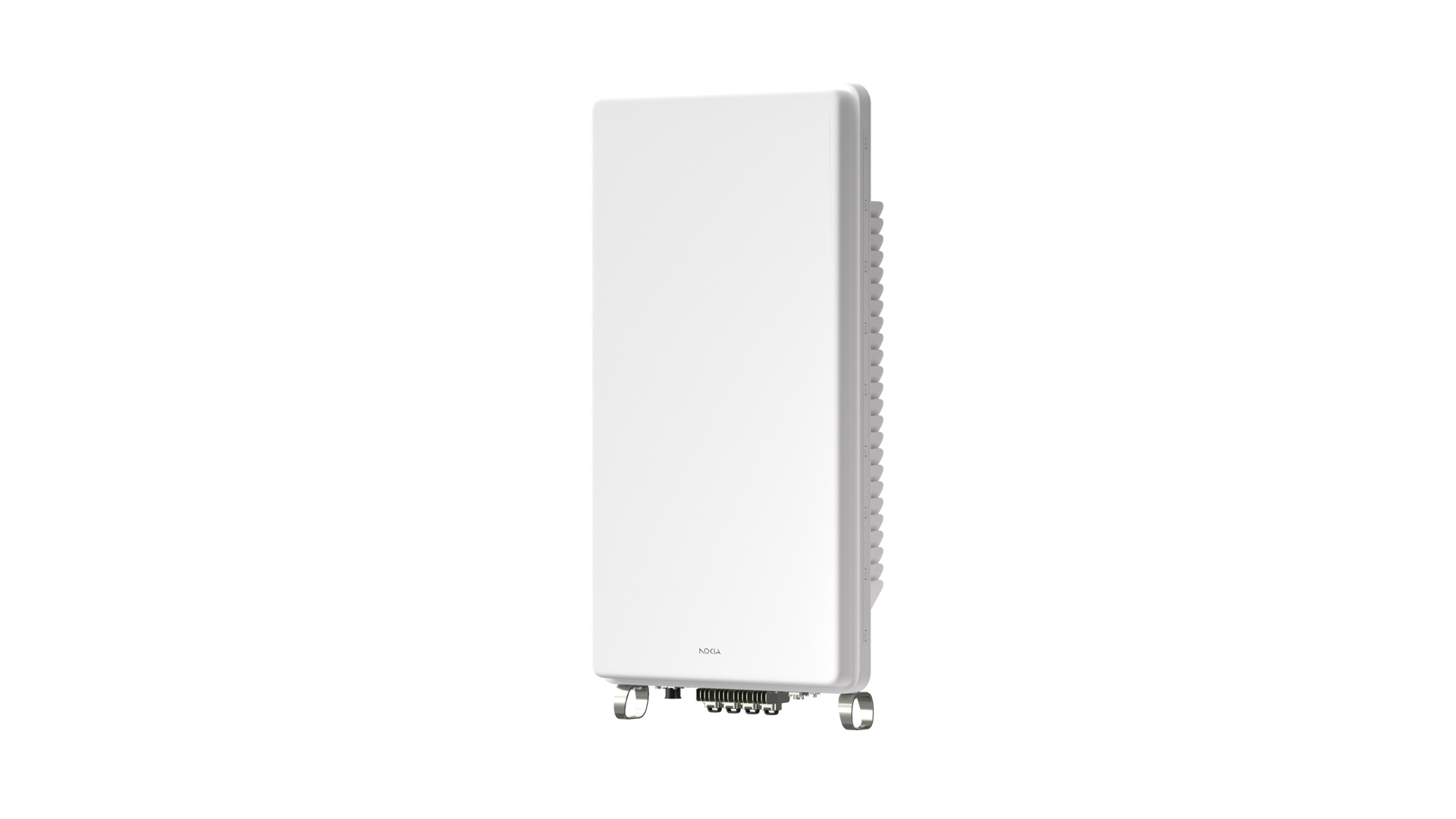
Nokia has been selected by Virgin Media O2 (VMO2) for a new multi-year 5G radio access network programme across the United Kingdom. The agreement covers both new deployment and modernisation, making it a network-side announcement rather than a new phone launch. Nokia says the work is intended to accelerate VMO2’s Mobile Transformation Plan and improve the foundations on which mobile services are delivered.
The companies have worked together for more than two decades, according to Nokia’s announcement. It names Nokia’s AirScale radio access network portfolio as the core of the programme, including modular baseband equipment and energy-efficient Massive MIMO radios. The release does not publish a contract value, a site count, a rollout calendar or a new coverage map, so those details should not be inferred from the announcement.
What a 5G RAN upgrade changes
RAN stands for radio access network. It is the part of a mobile network that links a phone to a nearby cell site before traffic moves through the operator’s transport and core systems. Updating the RAN can affect the practical experience of a connection: how much traffic a cell can handle, how efficiently it uses spectrum and how consistently it serves customers when demand rises.
Massive MIMO radios use multiple antenna elements to send and receive several streams of data at once. In the right spectrum, site configuration and radio conditions, that can improve capacity and throughput without requiring a separate antenna for every user. Nokia’s AirScale Massive MIMO overview describes its Habrok portfolio as offering 32TRX and 64TRX variants, along with options aimed at different deployment and frequency needs. Those are vendor-supplied product characteristics, not independent test results.
What customers may notice
For a VMO2 customer, a radio upgrade is normally invisible: there is no new app to install and no phone setting that turns the programme on. If modernised sites are deployed in the places a customer uses the network, the operator could have more room for busy-hour traffic, better use of its licensed spectrum and a more consistent service in crowded areas. Those are the logical network effects of the equipment Nokia names, not a promise that every customer will immediately see a particular speed increase.
Actual results will depend on factors that the release does not quantify, including the location of the upgraded site, available spectrum, backhaul, local congestion, indoor conditions and the customer’s device. Handset support also matters: a phone cannot use every band or capability offered by a network. VMO2 users should therefore treat this as a long-term infrastructure programme, rather than an announcement of a universal speed boost starting on a specific date.
Automation is part of the longer plan
The agreement also includes joint innovation programmes, pilots and proofs of concept focused on RAN intelligence, automation and energy-efficient architectures. Nokia links those projects to the evolution toward 5G-Advanced. In practical terms, the aim is to help the operator observe network conditions, tune resources and manage energy use more intelligently as traffic patterns change.
That wording is important. Nokia has announced areas for collaboration, but it has not said that a fully autonomous network is being switched on across the UK as part of this deal. The release also gives no public performance result from a field trial. The confirmed step is the selection of Nokia’s AirScale portfolio for a multi-year deployment and modernisation programme; the broader automation work is described as pilots and innovation activity.
What is confirmed, and what remains open
Confirmed: VMO2 selected Nokia for a major new multi-year 5G RAN deployment and modernisation programme across the UK.
Confirmed: the named portfolio includes modular baseband and energy-efficient Massive MIMO radios.
Confirmed: the partners plan pilots and proof-of-concept work around RAN intelligence, automation and energy efficiency.
Not disclosed: the number of sites, the sequence of regional upgrades, the commercial value and any customer-facing performance target.
That distinction keeps the announcement in proportion. It is meaningful because radio access equipment sits close to the part of the network that phones actually use, and because VMO2 is pairing the hardware programme with a stated plan for automation and 5G-Advanced evolution. It is not yet evidence of a measured nationwide improvement.
Why this matters for the UK mobile market
Mobile operators are under pressure to add capacity while controlling energy use and keeping older and newer technologies running together. A modern RAN platform gives an operator more options for that balancing act: it can add capacity where traffic is growing, make more efficient use of spectrum and prepare sites for later software and radio upgrades. The value for customers will be decided by where VMO2 deploys the equipment and how quickly those upgrades reach everyday locations.
For now, the clearest takeaway is straightforward: Nokia and Virgin Media O2 have announced a substantial 5G network-building and modernisation programme, but the public release stops short of promising a timetable or a measurable nationwide result. The next useful evidence will be a rollout update, a coverage change or independently documented performance data from upgraded sites.