
News
Samsung takes Galaxy AI beyond the phone with intelligent eyewear
Samsung has introduced intelligent eyewear developed with Gentle Monster and Warby Parker, bringing Gemini-powered assistance, visual context and hands-free communication closer to everyday mobile use.
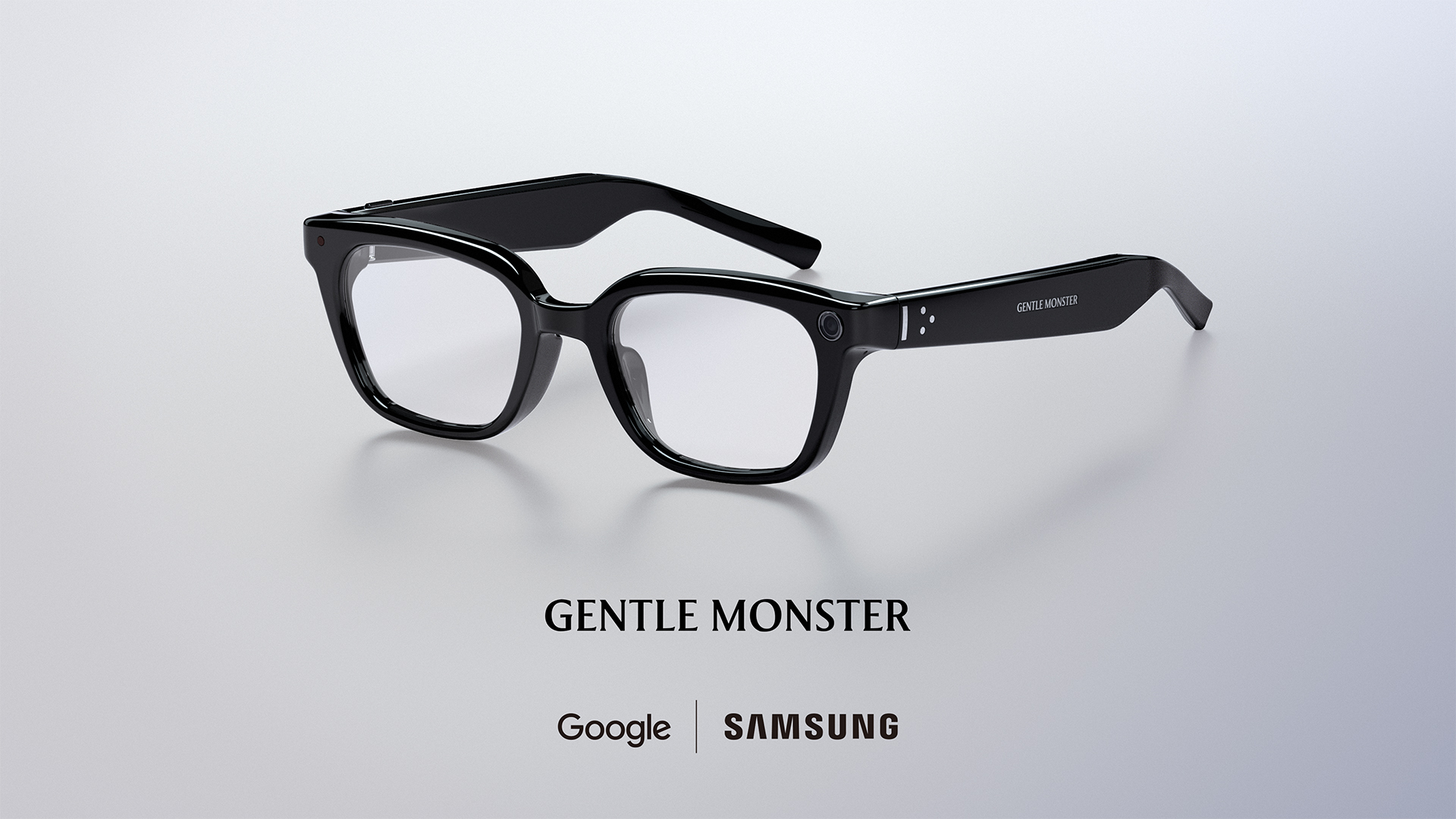
Samsung is extending its Galaxy ecosystem beyond the smartphone. At Galaxy Unpacked in London on July 22, the company introduced intelligent eyewear developed with Gentle Monster and Warby Parker, positioning the frames as a hands-free companion for communication, travel, work and everyday tasks.
The announcement places the eyewear within Samsung’s wider mobile strategy. Phones remain the central device, but the company argues that a wearable camera, voice interface and connected services can make assistance more immediate when users are walking, travelling or working with both hands occupied. The release describes the product as part of a connected Galaxy experience rather than as a replacement for the smartphone.
What Samsung has announced
The eyewear combines a slim frame with a built-in camera and the Snapdragon AR1 Gen1 platform. Samsung says the hardware is designed to balance real-time AI processing, connectivity, power efficiency and thermal management inside a compact form factor. The company also says the frames can provide up to nine hours of use on a single charge, with the charging case supplying up to seven additional full charges. Samsung notes that battery performance can vary with network conditions, features, settings and app use.
Samsung developed two design directions with fashion brands. The Gentle Monster version uses a black frame with a straight upper rim and rounded lower edges, while the Warby Parker design has a subtly upswept brow line in brown. The collaboration is intended to make the product look like everyday eyewear instead of a visibly technical accessory.
Gemini moves into a wearable form
Google is part of the software story. Samsung says the eyewear is built in partnership with Google and brings Gemini into a wearable form factor based on Android XR. The aim is to let users access assistance without repeatedly taking out a phone or looking down at a screen.
The announced experiences include asking the eyewear to summarise long messages, read important information aloud and support live translation. Users can also interact through voice or gestures, although Samsung says some gesture controls are provided through a compatible Galaxy Watch. Other functions connect the eyewear to the user’s wider device ecosystem, including supported apps and Samsung services.
Visual context is another central feature. When prompted, the camera can capture what the wearer is seeing, such as a whiteboard or meeting discussion, and help organise the information in Samsung Notes. The company also describes location-aware assistance for routes and destinations, as well as the ability to ask what is around the user. Context-aware follow-up interactions are designed to reduce repetition by linking related tasks together.
Communication without holding a phone
Samsung also highlights live visual sharing. During a call, users can share their point of view or record what they see while keeping their hands free. That could be useful for showing a repair problem, explaining a location or sharing a moment while travelling, but the practical experience will depend on the compatible calling app, network connection and local rules governing recording.
The company’s own footnotes are important here. Feature availability may vary by market, service, app and language. Several functions require a compatible Galaxy device, supported applications or a network connection. Samsung also says that Notes integration and contextual features may require permission and compatible Samsung services. These conditions mean the eyewear’s usefulness will depend as much on the surrounding mobile ecosystem as on the frames themselves.
Availability remains the missing detail
Samsung’s announcement introduces the product and outlines its intended capabilities, but it does not provide a retail price or a firm commercial launch date. A Google executive says the company expects the experience to arrive soon, yet Samsung has not specified the countries, sales channels or supported phone models that will be available at launch.
That distinction matters. The announcement confirms the direction of Samsung’s wearable strategy and provides hardware and software details, but it is not a full release schedule. Readers considering the product should wait for final information on pricing, regional availability, prescription-lens support, privacy controls and the exact Galaxy devices required.
The camera and always-available voice interface also make consent especially important. Users should check which apps can access the camera, microphone and location, and should ask permission before recording or sharing other people’s conversations, meetings or images. Samsung refers to controls and safeguards, but the announcement does not yet describe every privacy setting in detail.
Samsung’s intelligent eyewear therefore represents a clear expansion of the Galaxy ecosystem, with Gemini, Android XR and Samsung services working across a new wearable interface. Its real impact will depend on launch timing, device compatibility and how naturally people can use camera-based assistance without compromising privacy.
Source: Samsung Newsroom.