
News
Samsung says AI use on Galaxy Z foldables reached 96% in Southeast Asia and Oceania
Samsung reports that AI usage among Galaxy Z Fold7 and Z Flip7 users in Southeast Asia and Oceania rose to 96% in June 2026, as it prepares deeper agentic features for its next foldables.
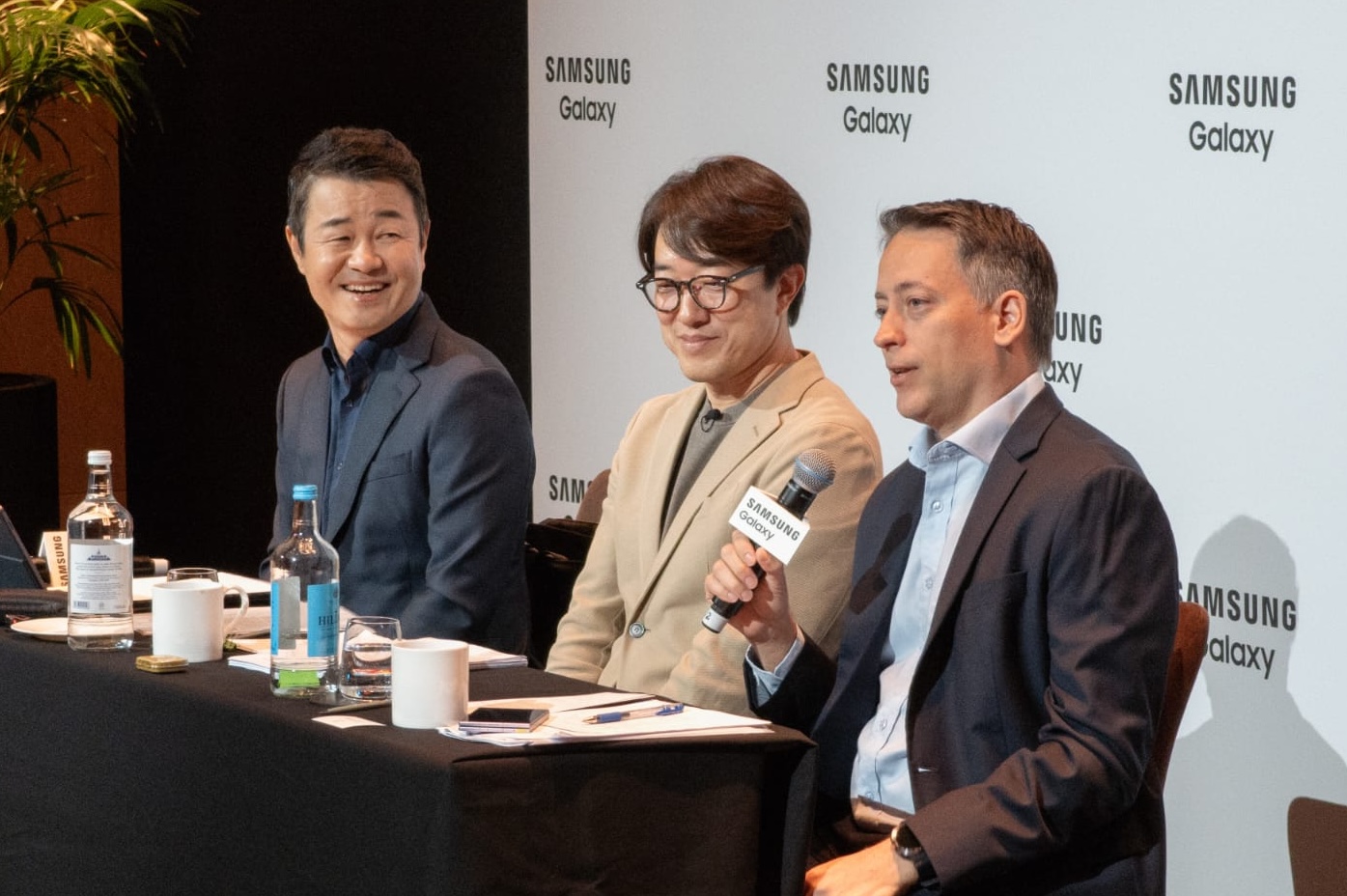
Samsung says artificial intelligence is becoming a routine part of the foldable-phone experience in Southeast Asia and Oceania. In a Samsung Newsroom update published on July 24, the company said AI usage among Galaxy Z Fold7 and Galaxy Z Flip7 owners in the region reached 96% in June 2026, up from 84% in August 2025.
The figures were shared after Samsung’s Galaxy Unpacked event in London, where the company introduced its latest foldable generation and discussed how mobile AI is changing from something people experiment with into something woven into everyday tasks. Samsung attributed the usage figures to its Internal Big Data Portal. The company did not provide further details in the announcement about the underlying sample, the number of users measured or the definition of an AI interaction, so the result should be read as Samsung’s own usage report rather than an independently audited market study.
From novelty to daily utility
Samsung executives said users are increasingly turning to AI for practical functions rather than treating it as a novelty. The company identified Circle to Search, Now Brief and Photo Assist among the features most frequently used by Galaxy Z Fold7 and Z Flip7 owners in Southeast Asia and Oceania.
That mix covers several different styles of interaction. Circle to Search lets users investigate information from content displayed on the screen. Now Brief presents a more proactive summary of relevant information, while Photo Assist applies AI to image-related tasks. Samsung’s account does not break down the share of usage for each feature, but the list suggests that AI is being used across search, information management and photography rather than being confined to a standalone chatbot.
Samsung also highlighted the importance of regional language support. Galaxy AI currently supports 22 languages, including Filipino, Indonesian, Thai and Vietnamese. In a region with many markets and language communities, localised support is a practical part of making mobile AI useful beyond early adopters and English-speaking users.
Samsung’s next step is system-level AI
The company’s broader message was that the next phase will be defined less by the number of individual features and more by how well those features work together. CU Kim, president and CEO of Samsung Electronics Southeast Asia and Oceania, described the shift in a short phrase: “The next phase of AI will not be about more features. It is about relevance.”
Samsung said its upcoming Galaxy Z8 Series and One UI 9 will build on the foundation established by the Galaxy S26 Series. The company plans deeper system-level integration, more intuitive controls and multiple agents that can work across apps, services and device functions. That description points to a change in emphasis: instead of opening a separate AI tool for every task, users may increasingly encounter AI inside the normal flow of mobile software.
Won-Joon Choi, president and chief operating officer of Samsung’s Mobile eXperience business and head of its R&D office, said the value of mobile AI will depend on whether it can remove friction while still giving people flexibility and choice. Samsung added that it does not see a single AI system as the right answer for every user, positioning Galaxy AI as a platform where different agents can work together.
That approach raises practical questions that the announcement does not yet answer. Samsung has not specified which agents will be available at launch, which apps will support them, or how much processing will happen on the phone versus in the cloud. It also has not described whether the same features will reach every Galaxy Z8 model or every market. Those details will matter more than the broad promise when users begin to evaluate the next generation of foldables.
A stronger regional test for foldable AI
The Southeast Asia and Oceania figures are significant because they connect Samsung’s foldable strategy to actual usage in a broad, diverse market. Samsung said sales of the Galaxy Z7 Series in the region increased by almost 15% year over year compared with the previous generation. The company presented that result as evidence of growing interest in foldable experiences, although it did not publish a market-wide comparison with competing devices.
For Samsung, the combination of higher foldable sales and rising AI engagement supports the idea that foldables can serve as a gateway to more advanced mobile software. Their larger screens and multitasking-oriented designs provide more room for summaries, search results, image tools and other contextual features. However, whether those advantages translate into lasting user value will depend on reliability, privacy controls, language quality and the ability to avoid unwanted interruptions.
At the time of Samsung’s announcement, the Galaxy Z8 Series was available for pre-order in Singapore. The company’s next challenge is to turn its reported 96% AI usage figure into a consistent experience across markets, devices and languages. The headline number shows strong engagement, but the more revealing measure will be whether people continue using these tools because they save time, provide useful context and remain under the user’s control.
Source: Samsung Newsroom Singapore