
News
Samsung’s Galaxy Z Fold8 Ultra, Fold8 and Flip8 Begin Global Rollout
Samsung has started the worldwide rollout of its new Galaxy Z foldables, pairing three distinct form factors with updated AI tools, easier iPhone migration and broader file sharing between Galaxy and iPhone devices.
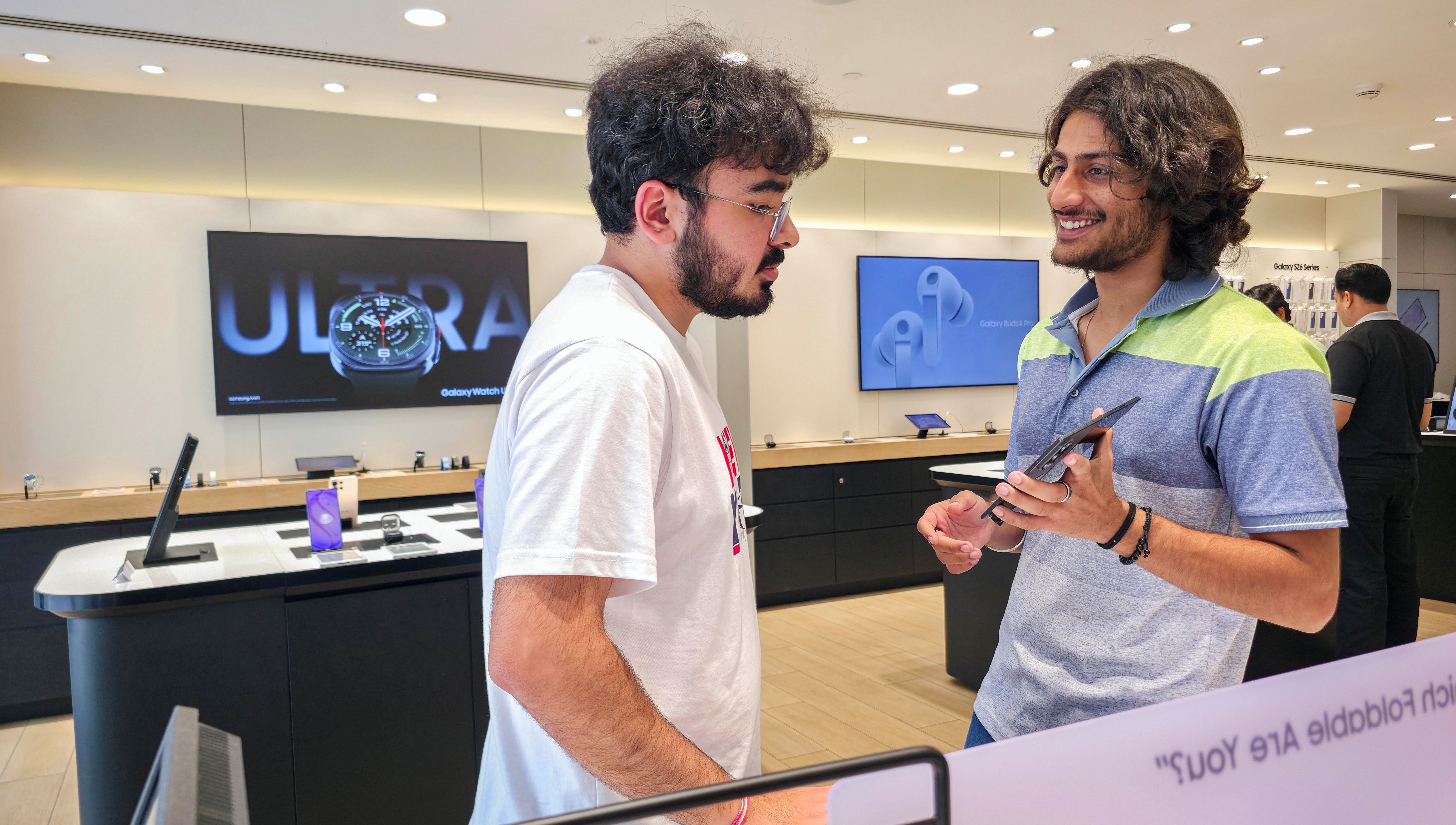
Samsung has begun rolling out its latest foldable smartphones worldwide, with the Galaxy Z Fold8 Ultra, Galaxy Z Fold8 and Galaxy Z Flip8 entering sales through carriers, retailers, Samsung.com and Samsung Experience Stores. The company announced the rollout on August 6, with sales starting August 7 in selected markets and expanding globally across 106 markets.
The launch matters because Samsung is no longer presenting one foldable design as a universal answer. The new range divides the category into three experiences: the Fold8 Ultra for larger-screen productivity, the Fold8 for reading and immersive content, and the Flip8 for compact everyday use. Availability, colours, connectivity options and exact configurations vary by market, carrier and retailer.
Three foldables, three different priorities
The Galaxy Z Fold8 introduces a redesigned form factor around a 5.5-inch cover screen and a 7.6-inch main display. Samsung says the unfolded screen uses a 4:3 ratio, while the cover screen is shaped for familiar browsing, messaging and short-form video. The company lists a weight of 201 grams and highlights the wider display as a better fit for reading, gaming and video viewing.
Samsung is also bringing Gemini Notebook to the Fold8. The tool is designed to gather notes, images, recordings, files and documents in one workspace. That gives the larger screen a more practical role than simply expanding videos or web pages: users can organise material and develop ideas without moving between as many separate apps.
The Galaxy Z Fold8 Ultra sits at the top of the new range. It opens to an 8-inch main display and adds a 200-megapixel main camera, a 50-megapixel ultrawide camera and a 5,000mAh battery. Samsung lists 45W charging, a weight of 215 grams and a thickness of 4.1 millimetres when unfolded. Its Now Nudge feature is intended to suggest relevant next steps across supported apps, moving from a conversation or piece of content towards an action.
The Galaxy Z Flip8 takes a different approach. Its FlexWindow brings apps, actions, notifications and assistance to the cover screen, reducing the need to open the phone for quick tasks. Samsung says users can access Gemini from the FlexWindow through the side key or natural voice requests. Now Brief presents information based on schedules, routines and interests, while the 50-megapixel camera and FlexCam features target hands-free photos and videos.
Migration and sharing get a broader role
Beyond the hardware, Samsung is using the rollout to simplify the move from another phone. According to the company’s official launch announcement, iPhone users can scan a QR code on their current device to begin a wireless Smart Switch transfer without downloading an additional app. Depending on the transfer method and compatible software, the process can include passwords, passkeys, call history, accessibility settings and eSIM information.
There are important limits. Samsung’s footnotes specify that wireless iPhone-to-Galaxy transfers require iOS 26.6 or later on the sending device and Android 17 with One UI 9 or later on the receiving device. eSIM transfer also depends on carrier support, so buyers should confirm compatibility before changing phones or cancelling an existing plan.
Samsung also says Quick Share can now work with AirDrop for file sharing between Galaxy and iPhone devices in both directions. That could be useful for photos, videos and documents, but it does not remove the usual requirements around compatible software, device settings and wireless connectivity.
A rollout rather than a single global configuration
The new foldables are now available through Samsung’s usual retail and carrier channels, but the company is clear that the customer experience will differ by region. Model availability, colours, storage, connectivity options and supported services can change between markets. Samsung’s launch page therefore provides a global overview rather than a universal price list or specification sheet for every country.
The same caution applies to AI features. Gemini, Now Nudge, Now Brief and Smart Switch functions may require a Samsung Account, a network connection, specific software versions or support from individual apps. Some features analyse information shown on screen or drawn from connected services, so users should review permissions and account settings before enabling them.
Samsung’s new range shows how foldables are becoming less about proving that a screen can bend and more about assigning different roles to different shapes. The Fold8 models focus on space for multitasking and content, while the Flip8 concentrates on quick interactions without opening the device. The success of that strategy will depend not only on the hardware, but also on whether app developers, carriers and cross-platform services make those experiences reliable outside Samsung’s own ecosystem.
For buyers considering an upgrade today, the most concrete changes are the expanded choice of form factors, the new transfer path from iPhone and the wider Galaxy-to-iPhone sharing support. Those features are available alongside the usual market-specific conditions, making local carrier compatibility and software requirements the key details to verify before purchase.