
News
Vodafone, Airbus and RugGear bring mission-critical communications to 4G and 5G
A new European partnership combines Vodafone’s prioritised mobile service, Airbus’s secure collaboration platform and RugGear’s rugged devices for emergency and critical-industry teams.
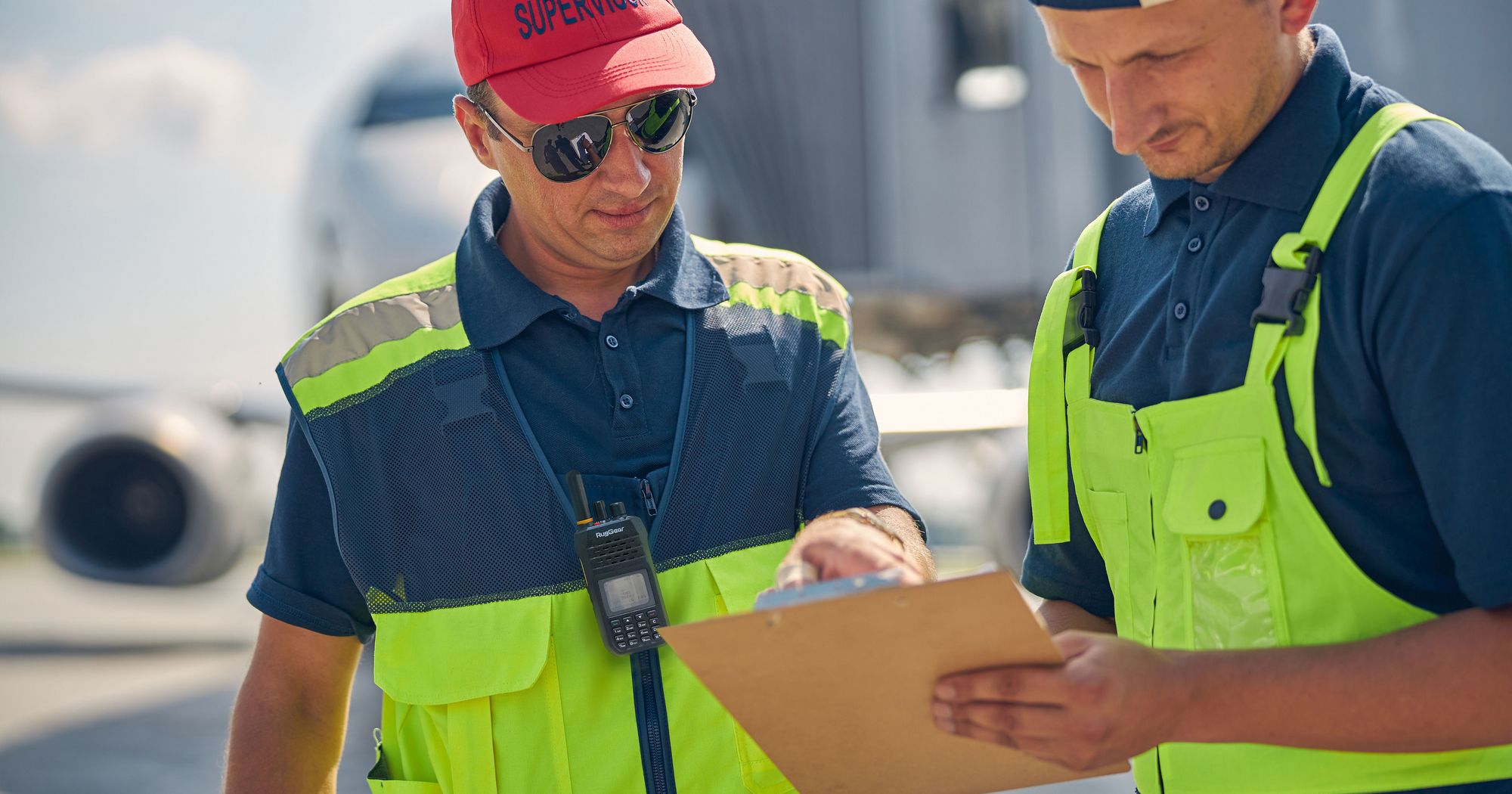
Vodafone, Airbus Public Safety and Security, and RugGear have expanded their partnership to offer a combined mission-critical communications package for emergency services and other organisations operating in demanding environments. Announced on 17 June 2026 during Critical Communications World in London, the agreement brings together prioritised 4G and 5G connectivity, secure collaboration software, and rugged radios, smartphones and tablets.
The partnership is aimed at organisations such as governments, airports, transport companies, energy providers and essential utilities. Rather than presenting a new consumer handset, it addresses a practical telecoms problem: how frontline teams can exchange voice, video and data reliably when conventional radio systems, public mobile services or damaged devices are not enough.
Three layers of one communications package
The first layer is Vodafone’s Mission Critical Communications, or MCx, service. According to Vodafone’s announcement, MCx prioritises calls, messages and data over 4G and 5G networks. That prioritisation is designed to help emergency teams communicate during incidents when ordinary network traffic may be unusually high.
The second layer is Airbus’s Agnet platform. It can be deployed in the cloud or on a customer’s own premises and connects field teams with control rooms. The service supports large groups of users, live video feeds and the sharing of operational information, including team locations and footage from drones. Vodafone says the solution is built on global 3GPP standards, which should make it easier to integrate with modern mobile infrastructure than systems tied to a single legacy network.
The third layer is RugGear’s hardware. Its portfolio includes rugged devices designed for professional and mission-critical use. The RugGear RG380, for example, is a 4G PoC radio with a two-way-radio form factor, a dedicated push-to-talk control and a loudspeaker designed for noisy environments. RugGear also lists support for MCX services, GPS, eSIM and LTE connectivity on the product page. Those specifications describe the device itself; they do not indicate that every feature is available in every Vodafone deployment.
Why mobile networks are replacing some radio workflows
Traditional professional radio remains important, but mobile networks can carry more than voice. Vodafone says the combined service can support encrypted smartphone-based tools that let teams share live video, drone footage and other critical information in real time. That changes the role of the handset or radio from a voice-only endpoint into a field device for coordination, documentation and remote assessment.
For an airport operator, this could mean giving teams a common channel for voice calls, location information and incident footage. For a utility company, the same model could support engineers inspecting infrastructure while staying connected to a control room. In public protection and disaster relief, a durable device can also reduce the risk that a broken screen, water damage or a depleted consumer handset interrupts communication.
Vodafone states that nearly three-quarters of smartphone users damage their handset, most often through water or impact. That figure is presented by Vodafone as part of the case for tougher devices, not as an independently verified result in this announcement. The partnership therefore rests on two separate ideas: prioritised network traffic for resilience, and hardware designed for environments where ordinary phones may be vulnerable.
What field users can expect
The hardware element is intended to preserve familiar radio habits while adding mobile-data capabilities. Vodafone describes features such as push-to-talk controls, high-lumen torches, alarms, industrial scanners and GPS tracking across the rugged-device range. Airbus’s software adds group coordination and live media, while MCx provides the network layer that prioritises the most important traffic.
The result is not simply a tougher phone. It is a managed communications system in which the device, application and mobile network are selected to work together. Vodafone says its Airbus solution is compatible with standard iOS devices and selected Android devices, while RugGear supplies dedicated equipment for teams that need greater physical durability or radio-style controls.
Satellite connectivity is described as a future extension
The announcement also places the package within Vodafone’s broader connectivity strategy. Vodafone says the MCx service will be combined with future direct-to-device mobile broadband satellite services. That wording matters: the satellite element is described as a future capability, not as a guarantee that every RugGear device can connect directly to satellites today.
Vodafone says MCx launched first in Germany and is now being rolled out across Europe. Organisations can source the Airbus solution and RugGear devices through Vodafone’s digital marketplace, according to the announcement. The precise combination of devices, software, network coverage and operational permissions will depend on the customer’s deployment and local requirements.
A specialised telecoms announcement, not a consumer launch
For smartphone and telecoms users, the significance of this partnership is the continued migration of mission-critical communication from isolated radio systems toward standards-based mobile platforms. 4G and 5G can support richer information flows, but dependable service still requires network prioritisation, secure software, suitable devices and trained operators.
Vodafone, Airbus and RugGear have announced that those pieces will be offered together. They have not published consumer pricing, a single universal availability date or independent performance-test results for the complete package. The practical value will therefore be judged by how each organisation deploys the service in its own coverage areas and operational environment.