
News
Vodafone and Amazon Leo plan satellite backhaul for more 4G and 5G sites
Vodafone and Amazon Leo have signed an agreement to connect remote 4G and 5G mobile sites across Europe and Africa using satellite backhaul.
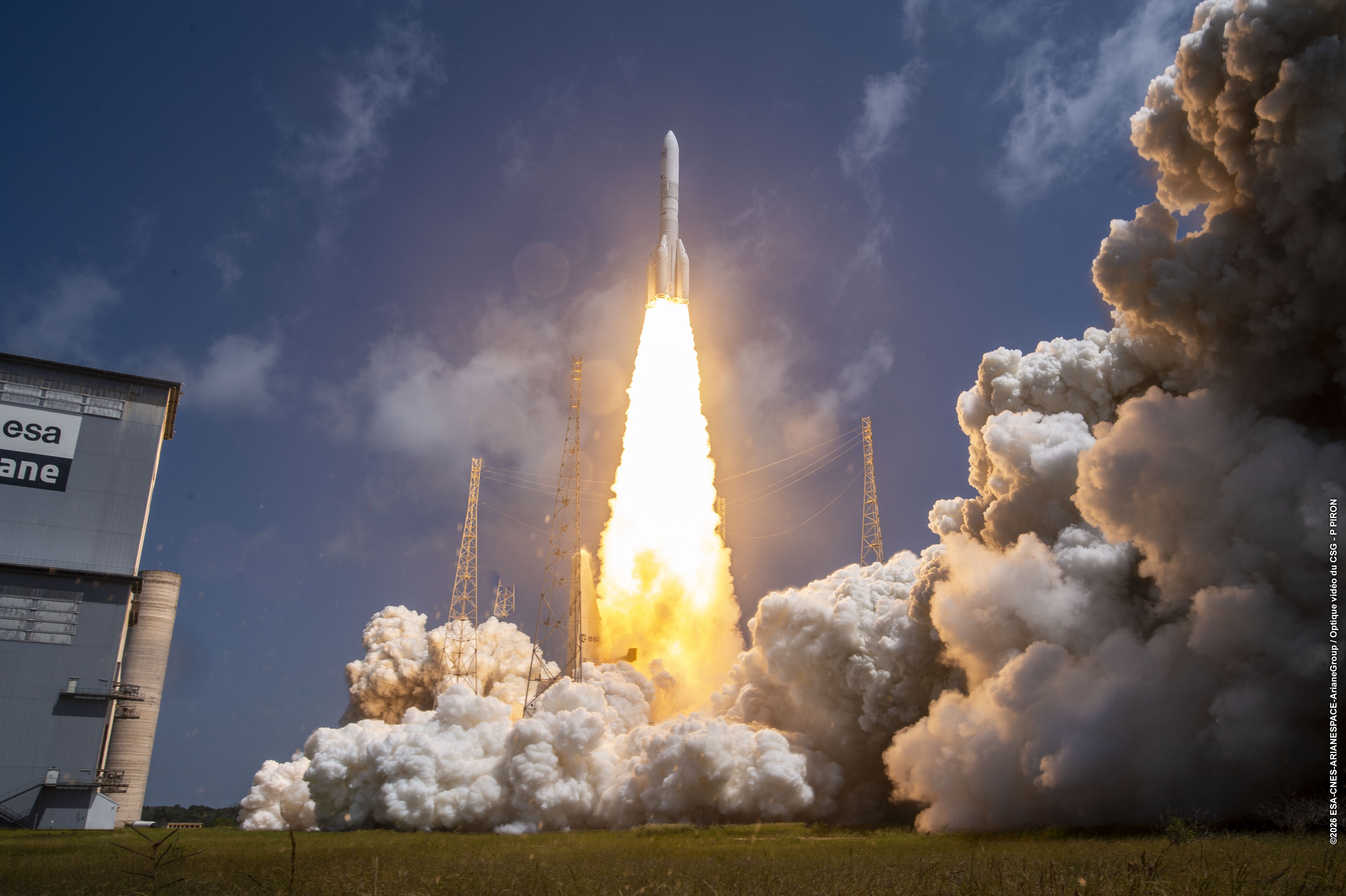
Vodafone and Amazon Leo have signed an agreement aimed at extending mobile coverage to remote areas across Europe and Africa. Announced on 10 August 2026, the plan will use Amazon Leo’s low Earth orbit satellite broadband network to connect more Vodafone 4G and 5G mobile sites to their core networks.
The announcement concerns satellite backhaul, rather than a new direct-to-smartphone service. In practical terms, customers would still connect to a nearby terrestrial 4G or 5G mast with a normal phone. The satellite link would connect that mast to the operator’s wider network when fibre or another fixed connection is difficult, expensive or unavailable.
That distinction matters because many coverage gaps are not caused by a lack of radio equipment. A mobile operator may be able to install a base station in a rural or isolated location, but connecting it to the core network can require a long fibre route, microwave equipment or other infrastructure. Vodafone says Amazon Leo could make it easier and more affordable to deploy sites in previously unserved areas.
Under the agreement, Vodafone plans to use Amazon Leo to connect geographically dispersed mobile sites in Germany and other European countries. The service is then expected to expand across Africa through Vodacom. The companies say the first mobile sites are expected to be connected in 2026, while the broader rollout will depend on Amazon Leo continuing to build out its satellite constellation.
Amazon Leo is described by Vodafone as a low Earth orbit satellite broadband network built from a constellation of thousands of satellites. Vodafone says the service can provide cell-site backhaul of up to 1 Gbps for downloads and 400 Mbps for uploads. Those figures describe the satellite connection used by network infrastructure, not a guaranteed speed for an individual smartphone user.
The potential benefit for customers is therefore indirect but significant. A new or upgraded mast with a dependable connection to the core network can improve the chances of receiving usable mobile service in places where terrestrial backhaul has been a barrier. The same approach could also help operators restore service more quickly when a fibre route is damaged by flooding or another disruption.
Vodafone specifically says it will use the satellite connection to strengthen resilience for emergency and critical online services. This does not mean every emergency call will automatically be routed through a satellite. It means the mobile site serving an affected area could have an alternative path back to the operator’s network when its usual connection is unavailable.
For Europe, the initial focus on Germany and other markets suggests a targeted infrastructure deployment rather than an immediate continent-wide coverage change. Vodafone has not announced a list of locations, a customer launch date, consumer pricing or a guaranteed coverage increase for a specific country. Those details will need to be confirmed as individual sites are selected and connected.
The African expansion through Vodacom could be especially relevant in locations where population centres, roads and critical services are separated by difficult terrain. Satellite backhaul can reduce the need to build a continuous fibre route to every remote mast, although the economics still depend on the site, power supply, spectrum, local regulation and the capacity available from the satellite network.
There are also practical limits. A satellite-connected mast still needs electricity, radio equipment and suitable spectrum. Weather, network demand and the distance between the site and its users can affect the overall experience. A satellite backhaul agreement does not by itself guarantee indoor coverage, eliminate congestion or replace every terrestrial connection.
For smartphone owners, the most visible result would be a stronger network in selected areas where Vodafone or Vodacom deploy the solution. The phone itself would not need a special satellite modem for this backhaul arrangement. Users would connect through the normal mobile network, while the satellite operates behind the scenes as part of the operator’s transport infrastructure.
Vodafone’s announcement is therefore best understood as a connectivity and resilience project, not a consumer satellite-phone launch. Its success will depend on how quickly the partners connect the first sites, where those sites are chosen and whether the additional backhaul capacity translates into reliable service for communities that currently have limited mobile access. The companies have announced the agreement and a 2026 start for initial connections, but not a complete deployment timetable.
Read the official Vodafone announcement for the companies’ stated deployment scope and technical figures.