
News
Vodafone tests an AI-controlled antenna that redirects 4G and 5G coverage
Vodafone is trialling a mobile mast in Albania that uses AI, weather data and a robotic arm to redirect radio coverage as demand changes.
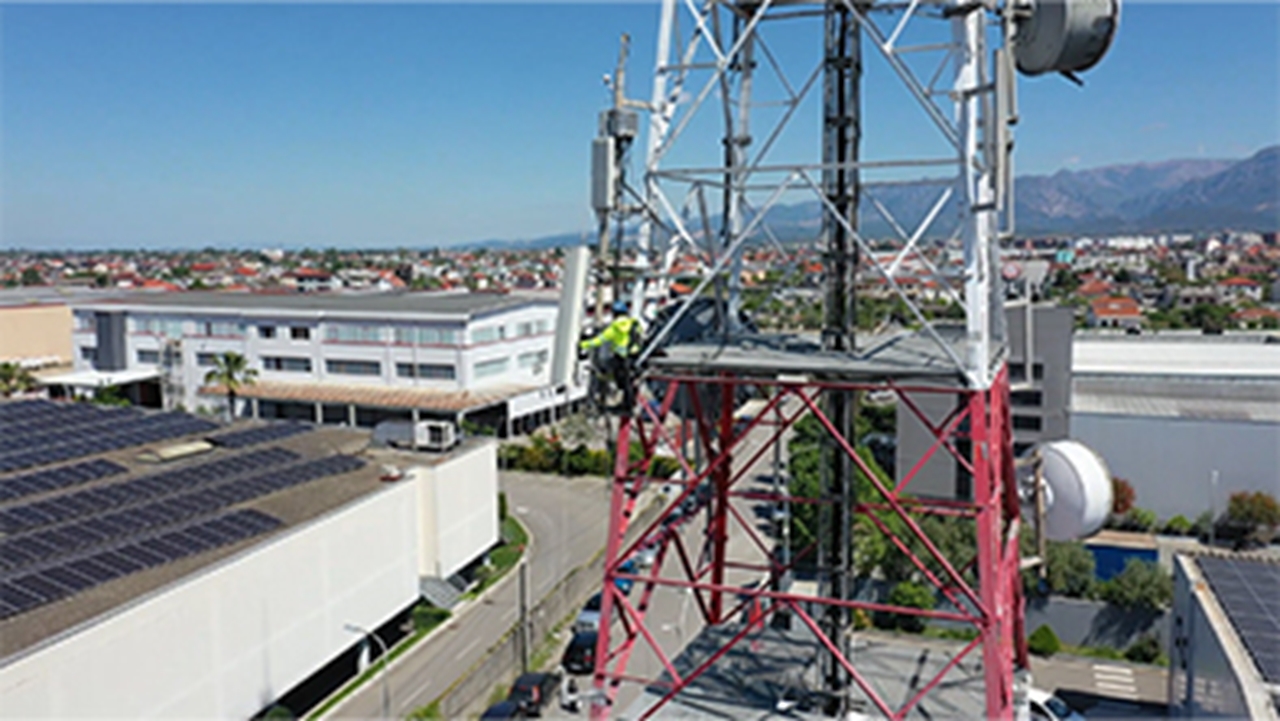
Vodafone is trialling a mobile mast in Tirana, Albania, that can adjust its own radio antenna according to changing demand and local conditions. The project combines an algorithm developed by Vodafone engineers with a robotic arm manufactured by South Korean company HUMAX Networks. The aim is to make 4G and 5G coverage more responsive without waiting for an engineer to climb the mast and reposition the equipment manually.
Vodafone describes the project as an early example of “Physical AI” in telecommunications. In practical terms, the system analyses where people are connecting, considers factors such as weather and time of day, and then directs the antenna towards the area that needs additional capacity or stronger coverage. The company says the trial is part of a wider effort to make radio access networks more autonomous and adaptable.
Coverage that follows demand
The trial site overlooks a busy shopping centre in Tirana. During the day, the antenna can serve shoppers and other people gathered around the commercial area. Later, as activity moves towards nearby homes and evening internet use increases, the system can redirect coverage towards the residential area.
Weather is another variable. Vodafone says the system can favour outdoor coverage during sunny conditions and focus on deeper indoor coverage when rain changes how people use the network. That does not mean the mast creates coverage where there is none. Instead, it changes the direction and distribution of the available radio signal so that network capacity can follow local demand more closely.
The robotic arm rotates or tilts the antenna under the direction of the AI system. Vodafone says the decision-making process can happen almost instantly, while each physical adjustment currently takes around 20 to 30 minutes. The pace is deliberately controlled to conserve energy, but it remains much faster than a conventional intervention.
Why automated antenna control matters
Changing the position of a radio antenna is normally a manual task. It may require an engineer to climb the mast, and the work can be delayed by safety conditions, access arrangements, planning requirements, site-owner agreements or the need for heavy equipment. Vodafone says that even when the technical adjustment itself is straightforward, the wider process can take weeks or months.
An automated system could make shorter, more targeted adjustments possible. A sudden downpour, a traffic jam, a local event or an evening change in behaviour can all shift where people need connectivity. If antennas can respond to those changes without a full engineering visit, operators may be able to improve capacity at specific locations while reducing maintenance demands.
Vodafone also links the trial to energy efficiency. The system is designed to move at a measured pace, and future versions may adjust smaller components inside an antenna rather than moving the complete unit. That could allow more precise changes while using less energy, although the company has not published independent power-consumption results for this trial.
A step towards self-adapting networks
The Tirana project is not presented as a finished consumer service. It is a field trial showing how automated antenna control could work within a broader, open standards-based platform for radio access network automation. Vodafone says its internal teams and third-party developers could use that platform to create optimisation applications for different network situations.
That architecture is important because mobile networks are not managed by a single piece of software. Operators must coordinate radio equipment, spectrum, transport links, core systems and local rules. An antenna that moves automatically still needs to operate within those constraints, avoid creating interference and preserve service for users who are not in the immediate target area.
The trial also highlights the difference between AI that recommends a network change and AI that can carry it out physically. Software can identify a coverage imbalance, but the robotic arm provides the mechanical action needed to alter the antenna. Vodafone’s approach connects those two layers, allowing the network to sense demand, make a decision and change its configuration.
For smartphone users, the eventual benefit would be less about seeing a new feature on the handset and more about experiencing a network that reacts better to crowded places, changing weather and shifting daily routines. Vodafone says it expects similar autonomous products to become available in the coming months, but the company has not announced a commercial launch date, market-wide availability or guaranteed performance improvement.
The current announcement therefore marks a practical experiment rather than a promise of universal autonomous coverage. Its significance lies in showing how AI-controlled physical infrastructure could complement existing 4G and 5G networks, helping operators adapt radio capacity more quickly as the way people connect continues to change.