Noticia
Android uses MWC 2026 to show how AI, XR and apps are converging
Google used Mobile World Congress 2026 to demonstrate how Android is connecting AI tools, creative apps, XR devices and smartphones across a broader mobile ecosystem.
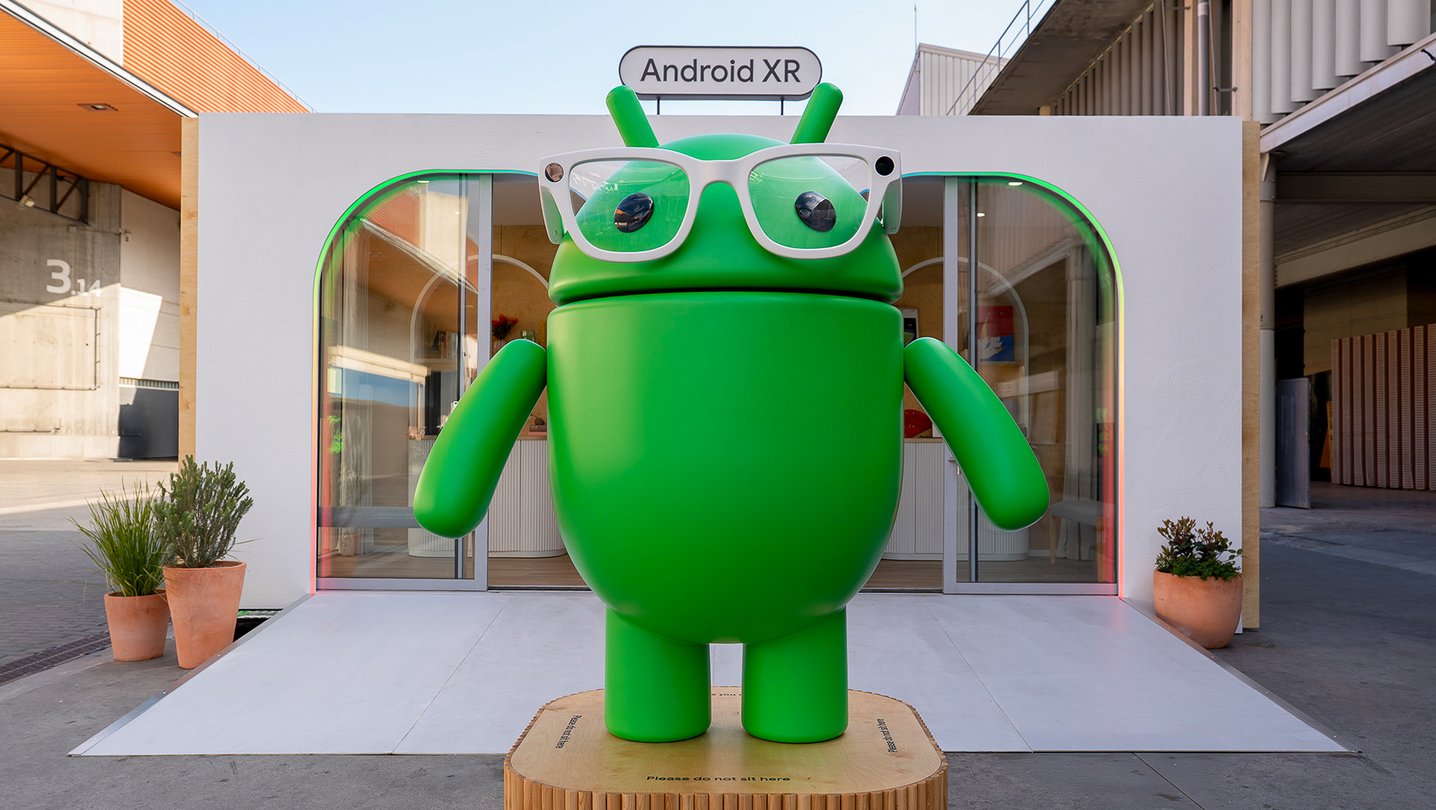
Android’s presence at Mobile World Congress 2026 showed the platform moving beyond the smartphone screen. In its official MWC announcement, Google presented a series of demonstrations linking artificial intelligence, mobile apps, augmented reality and emerging connected devices.
The emphasis was less on one new handset than on how Android can coordinate different experiences. Visitors could try creative AI tools, explore experimental XR hardware and test mobile search features designed to understand more of what appears on screen. Together, the demonstrations offered a snapshot of Google’s wider direction for Android: a platform that helps users create, search and interact across devices.
AI creation moves closer to everyday mobile use
Google highlighted Nano Banana and Veo as examples of how generative tools can become part of ordinary mobile creativity. At the event, attendees could reimagine themselves in different scenarios with Nano Banana and use Veo to turn ideas into immersive video experiences with sound.
These demonstrations matter because they frame generative AI as a mobile activity rather than a separate desktop workflow. A user can start with a photograph, an idea or a short prompt and move toward a finished visual without needing a traditional production setup. The presentation did not establish a universal launch date or availability for every feature, but it made clear that Google is exploring AI creation as a core part of the Android experience.
Circle to Search becomes more visual
Google also showed a new direction for Circle to Search. Instead of treating a single object as the only point of interest, the demonstration allowed users to identify clothing in an image and explore ways to find or virtually try on items. The concept reflects a broader shift in mobile search, from typed queries toward visual context.
That shift could make apps more useful without forcing people to leave the screen they are already viewing. A photograph, social post or web page can become the starting point for discovery. Android’s role is to connect the visual input with relevant search and shopping experiences while keeping the interaction anchored on the phone.
XR is being presented as part of the Android ecosystem
MWC visitors could also explore Android XR through a headset and prototype glasses. Google described experiences built around discovering cities, connecting with surroundings and interacting with information in a more spatial way. The demonstrations suggest that Android XR is being developed as an extension of the mobile ecosystem rather than as an isolated hardware category.
This approach is important for developers. If phones, glasses and headsets share familiar Android services and account-level experiences, applications can be designed to move between screens instead of being rebuilt from scratch for every device. The company’s MWC presentation did not promise that every prototype would become a commercial product, but it showed the kind of continuity Google wants developers to consider.
Pixel 10a represented the accessible end of the lineup
Google also included the Pixel 10a among the devices available to explore at Android Avenue. Its presence balanced the more experimental demonstrations with a conventional smartphone experience. The message was that Android’s AI and search ambitions are not limited to research hardware or premium form factors.
At the same time, the event positioned the Pixel 10a within a wider partner ecosystem. Android Avenue sat between Halls 2 and 3, while demonstrations across 20 partner booths showed how Google’s mobile platform connects with hardware manufacturers and software developers. This partner focus remains central to Android’s ability to reach users across different price points and device categories.
A platform story rather than a single product launch
The most significant aspect of Android’s MWC 2026 showing was its breadth. AI image and video creation, visual search, XR prototypes and everyday smartphones were presented as parts of one connected direction. The individual features may roll out at different speeds and may depend on device, market or service support, but the underlying strategy is consistent: Android is becoming a layer that connects user intent with multiple apps and devices.
For smartphone users, the practical impact will depend on how smoothly these experiences move from demonstrations into stable products. For developers, the event offered a clearer signal that future Android applications may need to work across phones, wearables, glasses and immersive interfaces. MWC 2026 therefore served as a useful preview of Android’s next phase, where the operating system is expected to coordinate more of the user’s digital activity without requiring a separate app for every task.