
Noticia
Android's Nearby Connections API Will Stop Turning On Wi-Fi and Bluetooth Automatically
Google is changing Nearby Connections so Android apps can no longer switch on Wi-Fi or Bluetooth without the user's explicit involvement, with the update scheduled for late 2026.
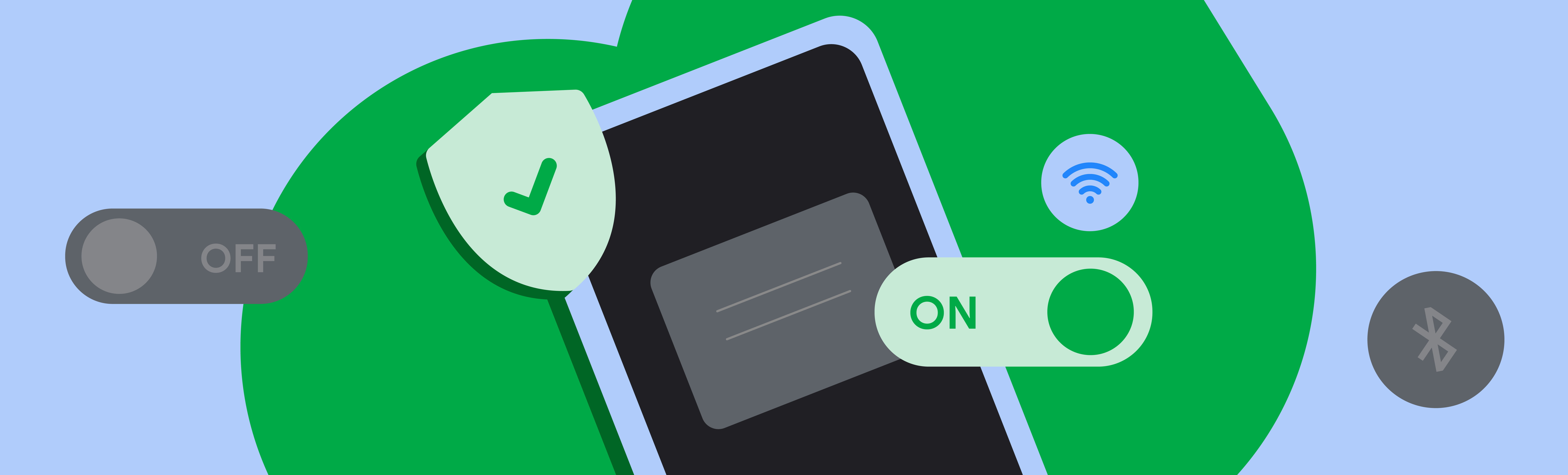
Google is preparing a privacy-focused change to Android's Nearby Connections API. In a July 20, 2026 announcement, the Android developer team said applications will no longer be able to turn on Wi-Fi or Bluetooth automatically when they need to establish a nearby connection.
The change is small at the API level, but it affects a broad range of mobile experiences. Nearby Connections is designed for device-to-device interactions, including local collaboration, nearby discovery and other app features that rely on short-range radios. Until now, the API could enable the required Wi-Fi or Bluetooth radio without asking the user to intervene. That behaviour is scheduled to change in late 2026.
What Google is changing
Google says the new default will apply to both first-party and third-party applications. When an app needs a nearby connection, it will have to work with the current state of the device radios rather than switching them on in the background.
If Wi-Fi or Bluetooth is disabled, the app must notify the user and explain what needs to be enabled before the connection can begin. The API will not perform that action on the user's behalf. Google's announcement does not give a precise rollout date, so developers should treat late 2026 as a planning window rather than a fixed deadline.
This is different from removing Nearby Connections or blocking local communication. The API remains available; the change concerns how applications interact with the underlying radios. An app can still request a nearby connection, but it must make the radio state visible and allow the user to decide whether to continue.
Why the change matters on smartphones
Automatic radio changes can feel convenient when they make an app work immediately, but they can also be difficult for users to notice. A phone may appear to be ready for a nearby task even though the user did not intentionally activate a connection method. Google is presenting the update as part of a wider effort to improve privacy and transparency in the Android experience.
For users, the practical effect will depend on how individual apps implement the transition. A well-designed app should identify the missing requirement, describe it in plain language and take the user to the relevant system control only when necessary. It should also remain useful when the user declines, rather than treating access to a radio as an invisible prerequisite.
The change may be especially noticeable in apps that support local multiplayer sessions, accessory setup, file exchange, shared activities or communication between nearby devices. In each case, the exact interface will be determined by the app developer. Google has not announced a single replacement screen or a universal user flow.
What developers should do now
Teams using Nearby Connections should review their connection workflow before the late-2026 transition. The most important checks are straightforward:
Confirm which radio your app needs before starting a Nearby Connections task.
Detect when Wi-Fi or Bluetooth is disabled and show a clear explanation.
Give the user a direct, voluntary way to enable the required radio.
Handle denial, cancellation and unavailable hardware without trapping the user in a repeated prompt.
Test the first-run and returning-user experience on phones with different radio states.
These checks are not a substitute for Google's future compatibility guidance, but they provide a practical baseline. Developers should also avoid assuming that a successful connection in an earlier Android release proves the same flow will remain valid. The important behavioural difference is that the app can no longer rely on the API to change the radio state automatically.
A clearer boundary between apps and device controls
The announcement reflects a broader tension in mobile software: users want nearby features to start quickly, while operating systems increasingly expect apps to explain access to device capabilities. Moving the final radio switch back to the user may add one step to some workflows, but it makes that step observable and intentional.
For app makers, the safest response is to treat radio availability as part of the normal product flow rather than an exceptional error. Explain why the connection is needed, request only what the feature actually requires and preserve the user's progress if they return after changing a setting. For users, an unexpected prompt to enable Wi-Fi or Bluetooth should be a moment to check that the request matches the feature they selected.
Google has not published a firm activation date or a list of every affected implementation detail. The confirmed message is narrower: in late 2026, Nearby Connections will stop automatically enabling Wi-Fi and Bluetooth for first-party and third-party apps. Developers who depend on the API have time to audit their flows, but the user decision must become part of the experience.