
Noticia
Apple commits to Broadcom deal expected to exceed $30 billion for U.S.-made wireless chips
Apple is expanding its American manufacturing program with Broadcom, targeting advanced radio-frequency components and wireless connectivity technologies for future products.
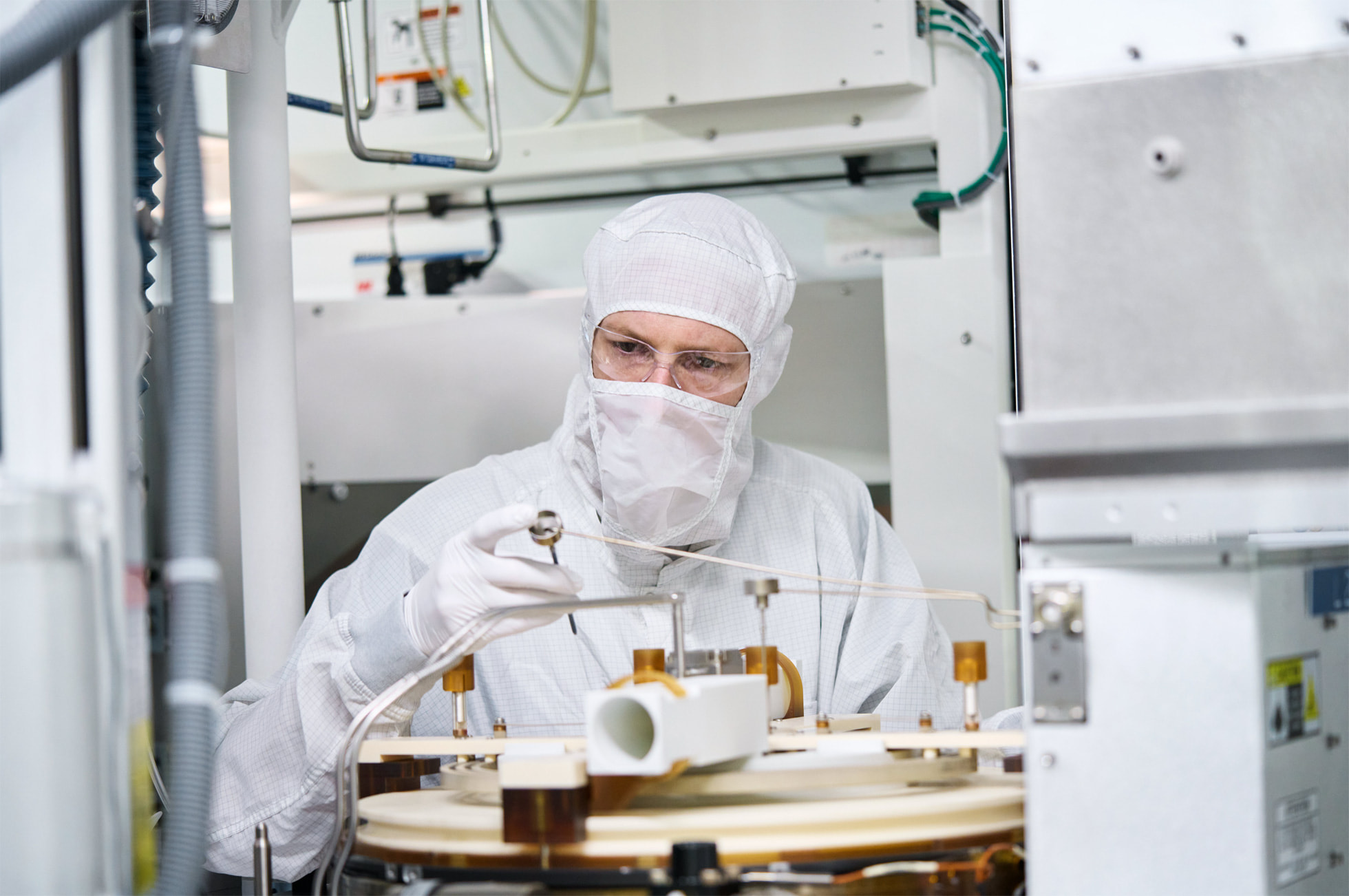
Apple is expanding its American manufacturing program with a new multiyear commitment to Broadcom focused on custom silicon components and wireless connectivity technologies. In its official announcement, Apple said the agreement is expected to exceed $30 billion and will lead to the production of more than 15 billion chips in the United States, supporting hundreds of American jobs.
The deal is aimed at a part of mobile technology that users rarely see but rely on every day. Broadcom will produce advanced radio-frequency components, including FBAR filters, alongside other wireless connectivity technologies at its facility in Fort Collins, Colorado. Apple described these components as essential to the performance and connectivity expected from its products, but did not associate the announcement with a particular iPhone model or announce an immediate change to consumer devices.
Radio-frequency components sit inside the connectivity chain that allows a mobile device to communicate with cellular networks and other wireless systems. Their work is largely invisible: users experience the result through calls, mobile data, messaging, hotspot connections and other wireless features rather than through a standalone application or setting. The announcement therefore concerns the infrastructure behind future device generations, not a new phone launch.
Broadcom is expected to expand and modernize its Fort Collins manufacturing facilities with a $1.5 billion capital-expenditure investment. That detail makes the agreement more than a purchasing commitment. It points to additional production capacity for specialized wireless components, although Apple has not provided a yearly production schedule, a list of specific devices, or a timetable for when products containing these components will reach customers.
The agreement is part of Apple’s broader American Manufacturing Program, which the company introduced as a way to expand advanced manufacturing and critical component production in the United States. Apple’s earlier program outline identified Broadcom and GlobalFoundries among its partners for additional cellular semiconductor components. That document also described those components as important to 5G communications in Apple products.
The newer Broadcom commitment gives that strategy a more specific industrial milestone. Instead of describing only a long-term supplier network, Apple has now identified a major expansion at a named facility, an expected investment level and a production target. The company has not said how the more than 15 billion chips will be divided between radio-frequency parts, other custom silicon, and different Apple product categories.
FBAR filters are a type of radio-frequency filter used in wireless systems. Apple’s announcement names them as one of the advanced components Broadcom will produce, but it does not publish technical specifications, performance figures or comparative test results. That distinction matters: the announcement supports a clear story about manufacturing capacity, while it does not support claims about faster download speeds, longer battery life or stronger reception on any current device.
For smartphone buyers, the practical effect is therefore indirect for now. There is no new iPhone specification to compare, no retail availability to confirm and no software update associated with the agreement. Apple also has not said whether the components will be limited to phones or distributed across its wider product range. The company’s wording covers a broad set of Apple products, so the precise product impact remains open.
The move also illustrates how smartphone progress increasingly depends on components that are developed outside the phone’s visible design. Camera systems, processors, displays, memory and wireless modules all contribute to a device’s final experience. In this case, Apple is placing additional emphasis on radio-frequency and wireless connectivity components, areas that become more important as phones handle heavier mobile data use and connect to more networks and accessories.
There is a supply-chain angle as well. Apple says the Broadcom agreement is part of its commitment to invest $600 billion in the U.S. economy over four years. That larger figure includes several manufacturing and technology initiatives, while the Broadcom agreement is described separately as Apple’s largest commitment under the American Manufacturing Program so far. The announcement does not say that all iPhone production will move to the United States, nor does it promise a change in retail prices or regional availability.
The clearest takeaway is that Apple is committing substantial capital to the components that support wireless connectivity before explaining how they will appear in a specific product. That makes this a significant mobile-industry announcement, but not a consumer launch. The next meaningful details will need to come from future product announcements, supplier updates or technical documentation showing which devices use the new components and what measurable benefits they deliver.