
Noticia
Apple previews a more capable iPhone services layer for 2027
Apple’s 2027 software preview brings smarter Maps, flexible Find My sharing, richer Wallet tools and broader media features to its services ecosystem.
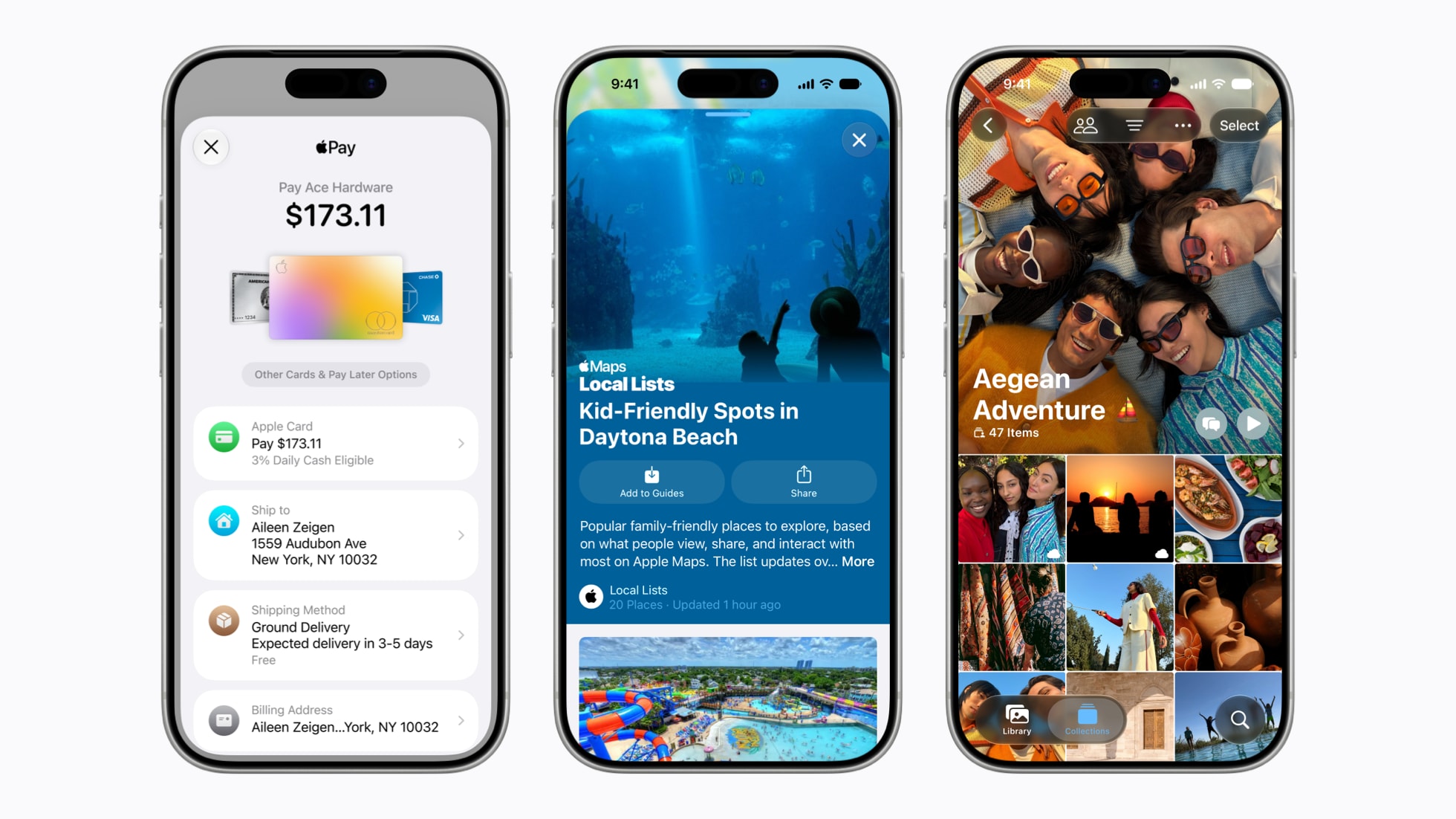
Apple is using its 2027 software cycle to make the iPhone’s everyday services more capable without asking users to learn a new device. In an update published June 9, the company outlined changes coming to Maps, Find My, Apple Wallet, Apple Pay, Podcasts, iCloud, Apple Music, Apple Sports and Fitness+. The announcement is less about a single headline feature than about tightening the links between apps, on-device intelligence and the information people already carry in their phones.
The timing matters because several of the changes are designed for moments when a phone is being used as a practical tool rather than as a destination. Apple wants Maps to be more useful before a journey, Find My to be more precise about temporary sharing, Wallet to handle more of the physical cards and receipts around a purchase, and Podcasts to work more consistently across screens. The company says the features are part of its 2027 software releases and were headed to testing through the Apple Developer Program, with a public beta and a free software update planned for later.
Maps gets more context, with a clear regional limit
Apple’s enhanced Flyover view combines aerial imagery with AI to offer a more detailed way to explore selected cities. The use case is straightforward: someone can inspect a destination before travelling, compare parts of a city, or get a better sense of a place without opening several other services. Apple also announced Local Lists for users in the United States. These collections can surface places such as trending restaurants or family-friendly spots using local signals, while Apple says the insights are not tied to individual users.
That last distinction is important. The announcement presents Local Lists as a privacy-minded discovery feature, not as a promise that every recommendation is personal or available everywhere. For readers outside the U.S., the useful takeaway is that Apple is expanding location-based discovery, but the specific Local Lists rollout is regional and should not be treated as a global launch.
Find My adds an expiry date to location sharing
Find My is receiving a practical control for people who need to share their location temporarily. Instead of leaving sharing on indefinitely, users will be able to choose a duration measured in minutes, hours or days, or set a date and time when sharing ends. Apple also describes a pause option that can stop sharing with selected people until the end of the day. This could help with a weekend trip, an event or a surprise, but it also gives users a simpler way to review whether an old permission is still necessary.
On Apple Watch, Apple is consolidating device, item and people discovery into one map-focused Find My app. The company says the unified app will keep actions such as getting directions, playing a sound and viewing contact information in one place. Precision Finding is also planned for paired iPhones, AirTag (2nd generation) and AirPods Pro 3, although Apple’s compatibility notes make clear that supported hardware matters.
Wallet and Apple Pay move closer to the checkout
Apple Wallet is gaining several features aimed at reducing the gap between a physical purchase and its digital record. In the U.S., on eligible devices, Apple says Visual Intelligence can help split a bill from a scanned receipt or a photo. Users select the items they bought, and the system calculates their share of tax and tip before they pay back friends with Apple Cash. This is a concrete use of camera-based intelligence, but the U.S.-only Apple Cash requirement means it is not a universal solution for group payments.
Users will also be able to create passes from physical cards with barcodes, such as loyalty or membership cards, and store them in Wallet on iPhone or Apple Watch. Apple describes an expanded hotel-key experience as well, with trip details and updates in the same place. At online and in-app checkout, Apple Pay is getting a refreshed card-selection flow, while Tap to Share is intended to let customers connect to a participating merchant’s iPhone to share information such as an email address, shipping details or loyalty data. Apple notes that availability varies and that Tap to Share is not currently available in the European Economic Area.
Video, cloud sharing and sports get quieter upgrades
Apple Podcasts is extending video playback to macOS and tvOS, with Picture in Picture on Mac and a redesigned experience on Apple TV. A new search-within-a-show function is also meant to reduce the time spent hunting for a particular episode across iPhone, iPad, Mac and Apple Vision Pro. iCloud Shared Albums are set to add full-resolution sharing, more file types, reactions, activity feeds and temporary albums. Apple says people without an Apple device will be able to join and contribute on the web, which makes the feature more useful for mixed-device groups.
Elsewhere, Apple Music is adding more language pairings for Lyrics Translation and Lyrics Pronunciation, while AutoMix is coming to tvOS and HomePod. The free Apple Sports app is expanding its coverage to more than 170 countries and regions, including more than 90 newly added markets, according to Apple. Fitness+ is also introducing a three-week Strong Through Menopause programme with yoga and strength sessions.
The common thread is a more connected services layer, but the announcement is still a preview. Apple says features can change, and availability depends on language, device, country and local regulation. Users considering a beta should therefore expect unfinished behaviour and should not install pre-release software on a phone they rely on for critical work without a current backup. The broader story is already clear: Apple is investing in small, repeatable improvements that make an iPhone more useful across travel, payments, communication, entertainment and family life.
Source: Apple Newsroom’s official June 9, 2026 update.
By Amelia Santos, Editorial lead