
Noticia
Apple Upgrade replaces the iPhone Upgrade Program with Klarna leasing in the US
Apple has launched Apple Upgrade, a Klarna-backed leasing option for iPhone and other devices, while ending its previous iPhone Upgrade Program in the United States.
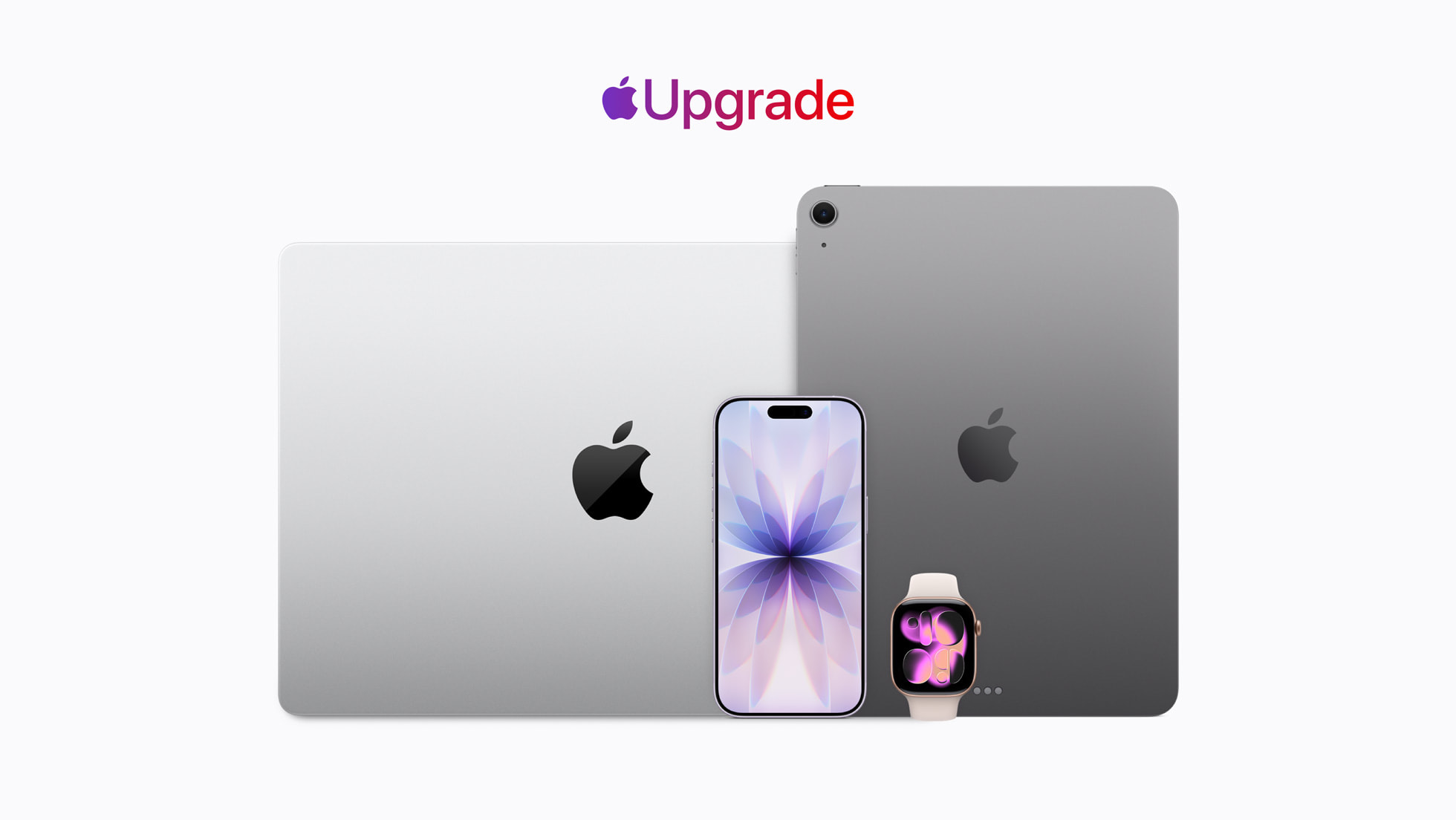
Apple has launched Apple Upgrade in the United States, replacing the company’s iPhone Upgrade Program and iPhone Payments with a leasing model provided by Klarna. The new option covers eligible iPhone, Apple Watch, Mac, and iPad models and is available through the Apple Store online, the Apple Store app, and Apple retail locations.
The change matters because leasing is not the same as buying a phone with instalments. Customers make monthly payments for a defined term, then decide whether to return the device, start a new lease for a newer model, or purchase the current product with a one-time payment. The device does not automatically become the customer’s property when the scheduled payments end.
What Apple Upgrade includes
Apple says iPhone and Apple Watch customers can choose 12- or 24-month lease terms. Mac and iPad leases use 24- or 36-month terms. The company lists starting monthly prices of $17.99 for iPhone, $11.99 for Apple Watch, $24.99 for Mac, and $11.99 for iPad. The actual payment depends on the chosen model, storage, lease duration, taxes, trade-in credit, and approval.
For example, Apple gives a typical example of an iPhone 17 Pro with 256GB storage and a purchase price of $1,099. Its listed example is $31.99 per month over 24 months or $45.99 per month over 12 months, before taxes or any trade-in credit. These figures are examples rather than universal prices, and Apple says not every device is available on every term.
Customers may trade in a device when they first enroll to reduce the initial monthly payment. Apple also says Apple Card users can earn 3 percent Daily Cash on lease payments, although Apple Card is subject to separate approval and is available only to qualifying applicants in the United States.
How the application works
Apple says shoppers can choose Apple Upgrade during checkout and apply through Klarna. Applications can be completed online or in a store, and Apple describes the initial credit check as a soft inquiry that does not affect the applicant’s credit score. Approval is still subject to eligibility and creditworthiness, so the advertised starting prices do not guarantee acceptance.
Apple’s announcement says customers can receive a quick decision and then choose delivery or store pickup. The company also offers Personal Setup in its stores, but that service does not change the lease terms or the customer’s obligations. The practical point is that the shopping experience remains familiar while the financing relationship changes: Klarna provides the lease, rather than Apple’s former iPhone Upgrade Program structure.
The conditions iPhone buyers need to know
Apple’s terms are especially important for iPhone customers. An iPhone lease requires an eligible carrier plan from AT&T, T-Mobile, or Verizon. Prepaid carrier plans are excluded. Apple says the leased iPhone is unlocked, allowing customers to switch carriers subject to the carrier’s own terms, but the lease itself remains active with Klarna.
The monthly price also does not include every possible cost. Taxes are separate, and a trade-in device may reduce the payment only after its estimated value is applied. Insurance is not included. Apple warns that customers may face damage fees if a device is lost, stolen, or returned in a condition that does not meet the lease requirements. Anyone comparing the program with a traditional purchase should therefore include possible repair, replacement, and end-of-term costs rather than looking only at the headline monthly amount.
What happens at the end of the lease
At the scheduled end of a lease, Apple says customers can upgrade by entering a new lease and returning the old device, purchase the device with a one-time payment, or return it and leave the program. Upgrading is not automatic: it requires a new application, eligibility, and approval. Customers who want to upgrade before the end of the agreed term may be charged an early-upgrade fee.
Apple also outlines a less obvious consequence of taking no action. If a customer neither upgrades, returns the device, nor purchases it at the end of the initial term, the lease can convert to a month-to-month extension for up to six months. Monthly payments may rise during that period. If the customer still takes no action after the extension, Apple says the purchase fee under the lease can be charged.
What changes for existing iPhone Upgrade members
Apple says the iPhone Upgrade Program is no longer offered to new US customers. Existing members can continue making their remaining monthly payments. When they are ready for another iPhone, Apple says they can consider Apple Upgrade, Apple Card Monthly Installments, carrier financing, or an outright purchase, subject to the relevant eligibility rules.
The result is a clearer separation between buying and upgrading. Apple Upgrade may suit customers who want to use a device for a fixed period and return it, but it requires careful attention to condition requirements, carrier eligibility, credit approval, and the final payment options. The announcement does not change those decisions into a simple low-cost phone plan; it introduces a new lease that shifts ownership and end-of-term responsibility into the contract.