
Noticia
Google Wallet launches a supervised balance for kids in the US
Google has launched a parent-managed Google Wallet balance for children in the US, with tap-to-pay limits, Family Link oversight and no online checkout.
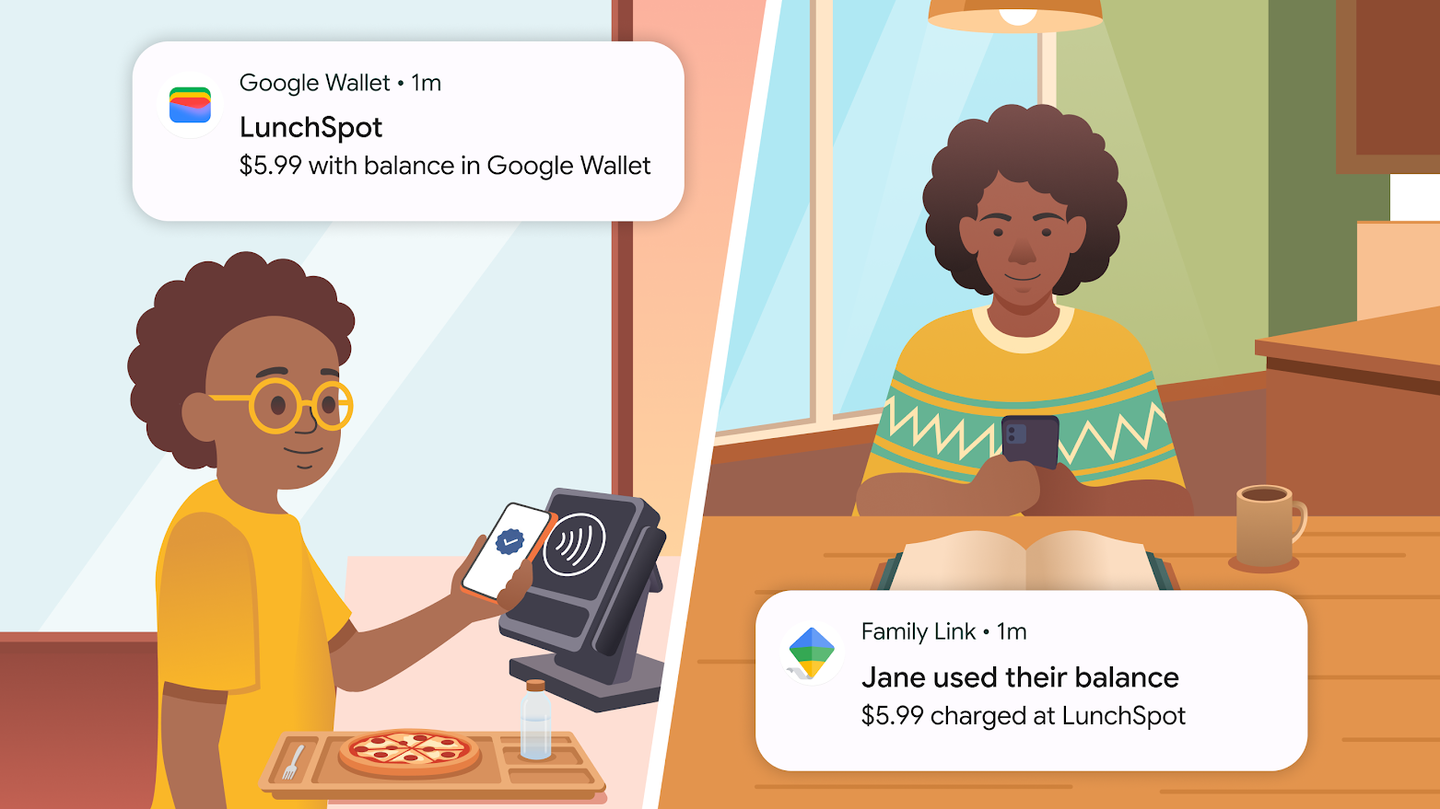
Google is bringing a supervised spending balance to Google Wallet for children in the United States, giving parents a way to add money, follow transactions and set guardrails while a child pays in shops with an Android phone or Wear OS device. The feature is part of Google’s latest Wallet update and is described in the company’s official announcement as a way to give children more independence without requiring them to open a bank account.
The launch is narrower than the headline might suggest. This is not a general-purpose youth bank account, and it does not open online checkout to supervised users. The new balance is a stored spending amount designed for contactless, in-person payments. Google’s support documentation says the balance is currently available only in the US, requires a supervised Google Account and is managed by a family manager through Family Link or the Google Wallet website.
A controlled balance for in-person payments
Parents can transfer money into a child’s balance, set a daily spending limit, see the balance and transaction history, and lock or unlock the balance remotely. The child can check the available amount and receive notifications when money is added, a limit changes, the balance is locked, or a payment is declined. The child’s device must support tap-to-pay, and Google says the balance works with an Android device or smartwatch.
That last point is important. The feature is built around the mobile hardware already used for everyday payments: an NFC-enabled phone or a compatible Wear OS watch. It does not depend on handing over a physical card, but it also does not turn the phone into an unrestricted wallet. The parent remains the account’s control point, while the child gets a simple payment surface at the checkout.
What parents can and cannot control
The control model sits in Family Link and Google Wallet. According to Google’s US help page for the supervised balance, the family manager can set up or close the balance, add money, create or reset the child’s PIN, assign the device used for tap-to-pay, monitor statements and transaction activity, and remove the balance from a device. A second parent can receive notifications, add money, set limits, monitor activity, and lock or unlock the balance, but does not receive every family-manager permission.
There is a meaningful limitation: parents cannot approve each individual transaction before it happens. The practical safeguard is therefore a combination of the available balance, a daily limit and the ability to freeze the balance remotely. That makes the initial setup and the ongoing notifications more important than they would be for a conventional payment card with issuer-level controls.
Tap-to-pay only keeps the boundary clear
Google’s documentation states that the supervised balance cannot be used for online transactions, cash withdrawals or payments across Google services. It is intended for tap-to-pay purchases in physical stores. This distinction reduces the number of places where a child can spend, but it also means families should not treat the balance as a substitute for every payment method they may already use.
The wider Google Wallet for kids guidance adds another useful boundary: online and in-app payments are not supported for supervised Wallet users, and payment cards added to a child’s Wallet do not automatically gain parent-defined spending controls. Issuers may offer their own controls, but Google tells parents to confirm that separately with the card issuer. The new supervised balance is different because its limit and lock controls are built into Google’s product.
Availability is part of the story
For now, the new balance is a US-only feature. It is also tied to supervision: the child must be under 18 and use a supervised Google Account. Google says the balance closes if supervision is removed, with remaining funds returned to the family manager. The support page also explains that a child who reaches 18 can continue using an existing balance while the account remains supervised.
That combination of geography, account status and device compatibility means the announcement is best read as a controlled expansion of mobile payments, not a universal rollout. Families outside the US may have access to other Google Wallet for kids features in supported countries, but the balance described here is the specific part that adds a parent-managed pool of money.
Why it matters for mobile platforms
Google is positioning Wallet as a family feature that links an app, an account system and payment hardware. The phone or watch handles the contactless interaction; Wallet holds the balance; Family Link supplies the oversight. For parents, that creates a single place to review activity and react if a device is lost or spending needs to stop. For children, it provides a limited way to practice contactless payments without exposing online checkout.
The safeguards are concrete, but they are not automatic protection from every mistake. Parents still need to verify the child’s supervised-account status, set a limit that matches the family’s expectations, review notifications and know how to lock the balance. Google’s own documentation makes the scope clear: this is a tap-to-pay tool with parental oversight, not a promise that every transaction will be approved in advance.