
Noticia
Googlebook links AI-first laptops to Android phones
Google is introducing Googlebook, a new laptop category designed around Gemini Intelligence and deeper continuity with Android phones, including access to mobile apps and phone files.
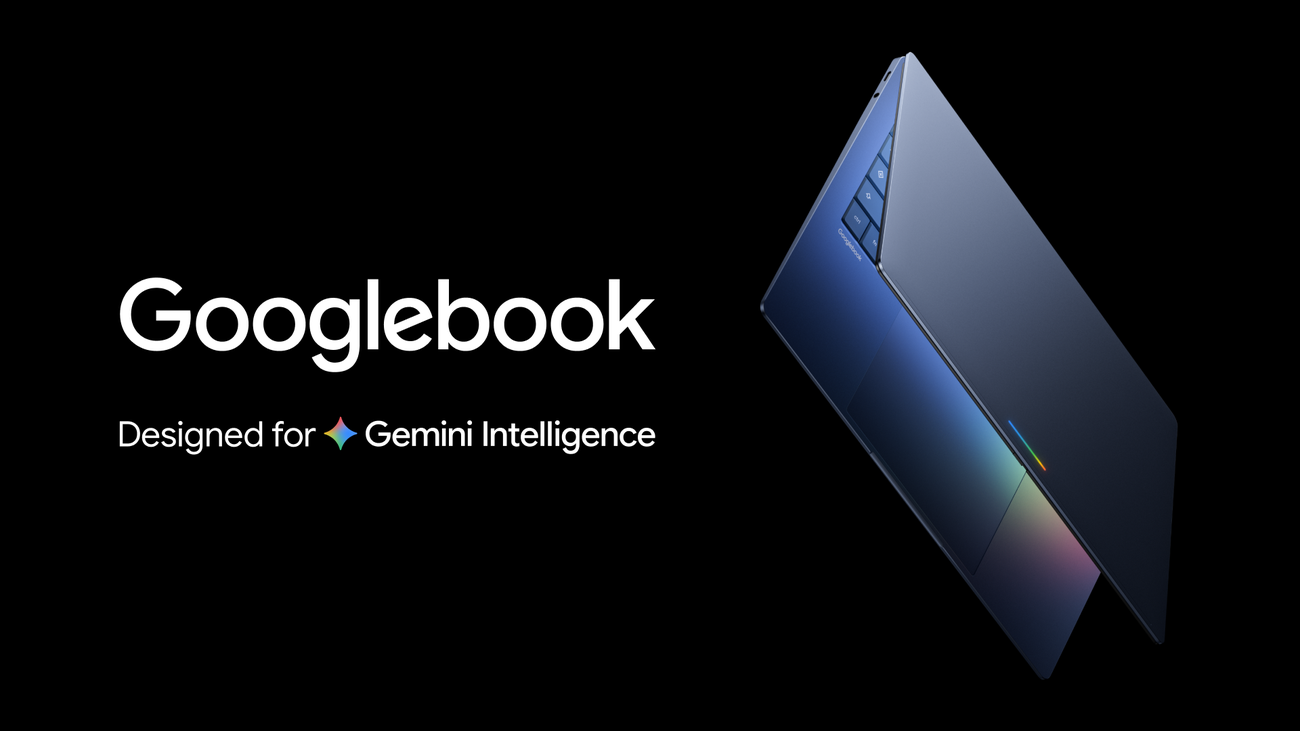
Google is introducing Googlebook, a new category of laptops designed around Gemini Intelligence and close integration with Android phones. The company says the devices will combine Android and ChromeOS technology, with the first products expected to become available this fall. Its official announcement focuses less on traditional laptop specifications and more on how Google wants people to move between a phone and a larger screen.
That distinction matters because Googlebook is not being presented as a single laptop model. Google describes it as a new category, with products planned from Acer, ASUS, Dell, HP and Lenovo. The company says each device will use premium hardware and feature a distinctive glowbar, but it has not yet published pricing, detailed specifications or a complete availability list.
An Android-connected laptop category
Googlebook is built around the idea that a laptop should understand the other devices a person already uses. Google says the platform will work seamlessly with Android phones, allowing users to interact with phone apps from the laptop and access files stored on the phone without first transferring them manually.
One example in Google's announcement is a user working on a laptop who needs to complete a task in a phone app. Instead of reaching for the phone, the user can tap the app from Googlebook, complete the action and return to the larger screen. Google also describes Quick Access, a file-browser feature intended to let users view, search or insert files from their phone directly on the laptop.
The company presents this as a continuity feature rather than a replacement for the phone. The phone remains the source of the apps and files, while Googlebook is intended to make them easier to reach during work, study or other tasks that benefit from a larger display and physical keyboard.
Gemini moves into the pointer
Googlebook's most distinctive software feature is Magic Pointer. Google says it was developed with the Google DeepMind team to bring Gemini assistance directly to the cursor. Moving the pointer over content can surface contextual suggestions, helping users move from an idea to an action with fewer steps.
Google's examples include pointing at a date in an email to create a meeting, or selecting two images to visualize how a piece of furniture might look in a room. These examples show the intended role of Magic Pointer: it is meant to interpret what is on screen and suggest a relevant next action, rather than simply launch a separate chatbot window.
Google also says users will be able to create custom desktop widgets by prompting Gemini. A widget could combine information from Google apps such as Gmail and Calendar with web information, creating a personalized dashboard for a particular project or event. The announcement does not describe the full list of supported apps or the controls users will have over the information shown in these widgets.
What the phone connection could change
For Android users, the phone integration could be more significant than the branding. People often keep travel details, messages, photos, authentication tools and mobile-only apps on their phones, even when their main work happens on a laptop. Googlebook is designed to reduce the friction between those two environments.
That approach also reflects Google's broader Android strategy. Instead of treating Android as software limited to a handset, Google is extending its services and app ecosystem across different form factors. Googlebook is the laptop expression of that strategy, alongside the existing Android experience on phones, tablets, cars, watches and other connected devices.
There are still practical questions for buyers. Google has not announced individual partner models, prices, processor configurations, regional launch details or the exact requirements for phone-app access. It has also not explained whether every Android phone will receive the same Googlebook features. Those details will determine whether the category feels like a meaningful step beyond current phone-and-laptop workflows or mainly a new interface for existing Google services.
A fall launch to watch
For now, Googlebook is best understood as a preview of Google's next laptop direction. The company is combining Gemini features, Android phone continuity and a new hardware identity, while leaving product-level information for a later announcement. The expected fall availability should reveal whether Google's vision translates into a consistent experience across the first partner devices.
The important change is conceptual: Google wants the laptop, phone and cloud services to feel like parts of one working environment. If the promised access to phone apps and files is reliable, Googlebook could appeal to Android users who regularly switch screens. Until Google publishes pricing, specifications and launch markets, however, the announcement remains a clear product direction rather than a complete buying recommendation.