Noticia
Motorola launches Indigenous Collections app to preserve Ojibwe language
Motorola has introduced Indigenous Collections, an Android app developed with the Rainy Lake Ojibwe community to preserve language, stories and cultural knowledge through a community-led digital archive.
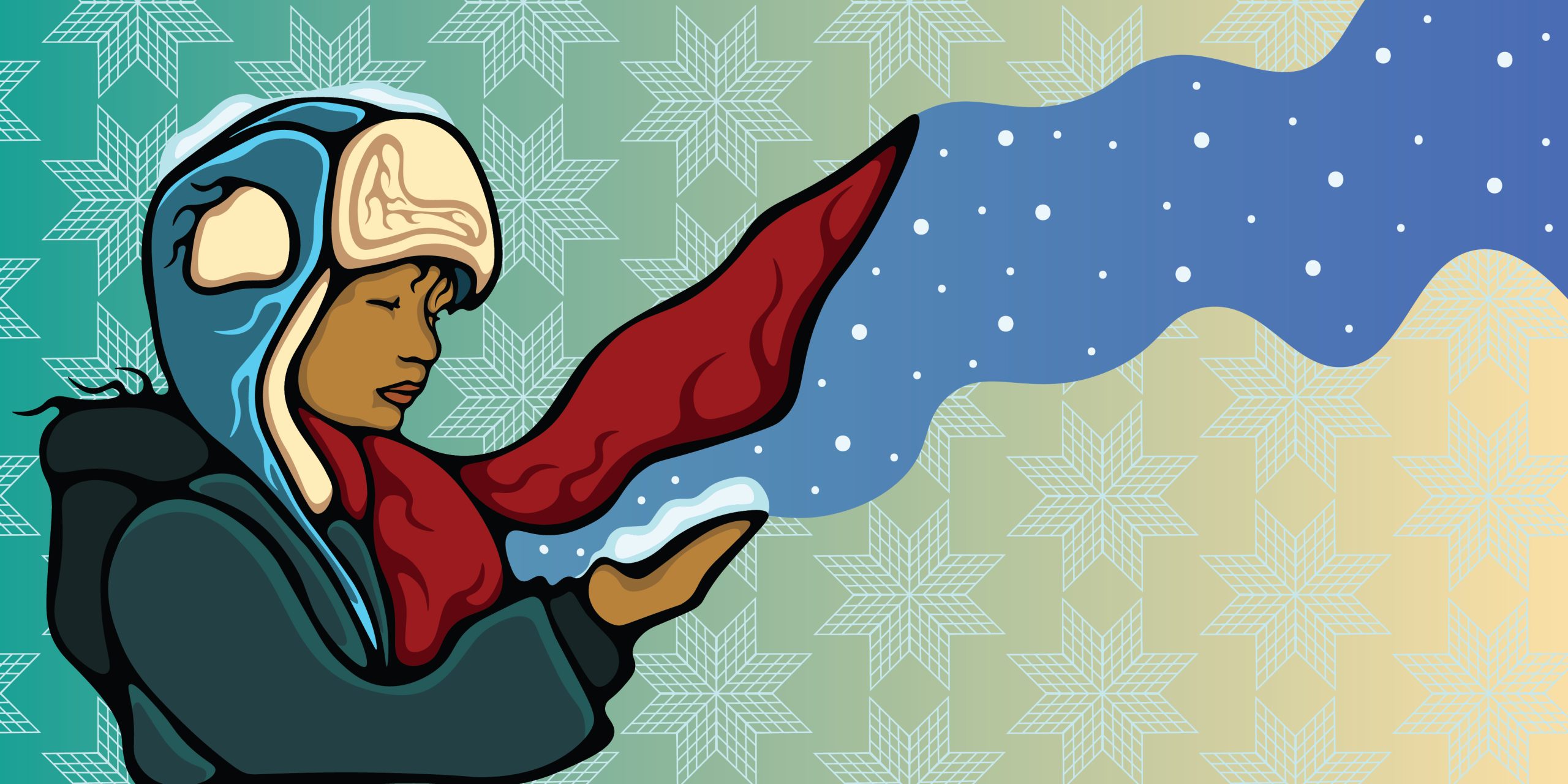
Motorola announced Indigenous Collections on July 28, 2026, presenting the Android app as the next stage of its Indigenous Languages Initiative. Developed with the Rainy Lake Ojibwe community and Connected North, the app brings together Ojibwe vocabulary, stories, landmarks and family knowledge in one mobile experience.
The project is notable because it goes beyond adding another language to a smartphone interface. Motorola describes Indigenous Collections as a cultural preservation platform, designed to keep language connected to the stories, places and teachings that give words their meaning. The company says the app will be offered free through Google Play for Android users.
From interface support to community archive
Motorola’s work on Indigenous language support began in 2021, when the company says it became the first smartphone manufacturer to fully support Nheengatu, an endangered Amazonian language, in a phone user interface. The initiative has since expanded to languages including Kaingang, Cherokee, Māori, Kangri, Kuvi, Ladin and Zapotec through localized interfaces, keyboards and digital resources.
According to Motorola, nearly two million words across Indigenous and minority languages have now been made openly available through this wider effort. Indigenous Collections changes the emphasis from interface localization to community-authored content. Instead of treating language as a set of translated menus, the app places it alongside oral history and cultural context.
What Indigenous Collections contains
The app was shaped through a year-long collaboration involving members of the Rainy Lake Ojibwe community, Ojibwe language instructor Jason Jones, Ojibwe scholar Dr. Anton Treuer and community elders. Traditional stories and personal narratives were recorded, transcribed and translated to form the foundation of the collection.
Users can explore vocabulary while also learning how words relate to family history, geography and community knowledge. That structure matters for language revitalization: a phrase is easier to remember when it is connected to a story, a landmark or a lived experience rather than presented in isolation.
Motorola says Ojibwe is spoken by approximately 50,000 people across regions of the United States and Canada, with strong communities in Ontario and Manitoba. The company also acknowledges that globalization and longstanding prejudice against Indigenous cultures have contributed to declining intergenerational transmission.
Public knowledge by design
The announcement places particular emphasis on what the app does not publish. Some cultural knowledge is sacred or intended to remain within the community, so Indigenous Collections is limited to information that community members have chosen to share publicly. Motorola also says a family tree can be shared only as an image directly by the user.
That approach gives the app an important privacy and governance boundary. A digital archive is not automatically responsible simply because it is accessible; the people represented in it need control over what becomes public, how it is presented and how it can be redistributed. The project’s community-first model attempts to build those decisions into the product itself.
Why the project matters for mobile apps
Indigenous Collections shows how smartphone software can support cultural preservation without reducing a language to a translation setting. The app uses familiar mobile tools, but its value comes from the collaboration behind the content: speakers, educators and elders helped decide which stories and knowledge should be recorded and shared.
This also places responsibility on the manufacturer. Motorola is not simply distributing a finished archive; it is presenting the app as part of an ongoing initiative that can grow with additional stories. The company says the current collection is intended to expand over time, although it has not published a detailed schedule for future releases.
The announcement aligns the initiative with UNESCO’s International Decade of Indigenous Languages, which runs from 2022 to 2032. That connection gives the project a broader context, but the practical test will be whether the app remains useful to the Rainy Lake Ojibwe community and whether its content continues to be governed by the people whose language and heritage it represents.
Availability and limits
Motorola says Indigenous Collections will be available free of charge through Google Play for Android users. The announcement does not provide a detailed device list, offline-support information or an iOS release plan. It also describes the app’s current archive and development approach rather than promising a specific number of lessons, speakers or future updates.
For now, the most significant part of the launch is its method: a smartphone app built around publicly shareable knowledge, community participation and stories rather than a conventional product feature checklist. Motorola’s official announcement provides the company’s full account of the project.
By Amelia Santos