
Noticia
OPPO outlines an AIOS built around memory, app search and privacy
OPPO and Google Cloud have outlined a smartphone operating-system strategy that connects on-device memory, cross-app search and proactive suggestions with privacy-focused cloud infrastructure.
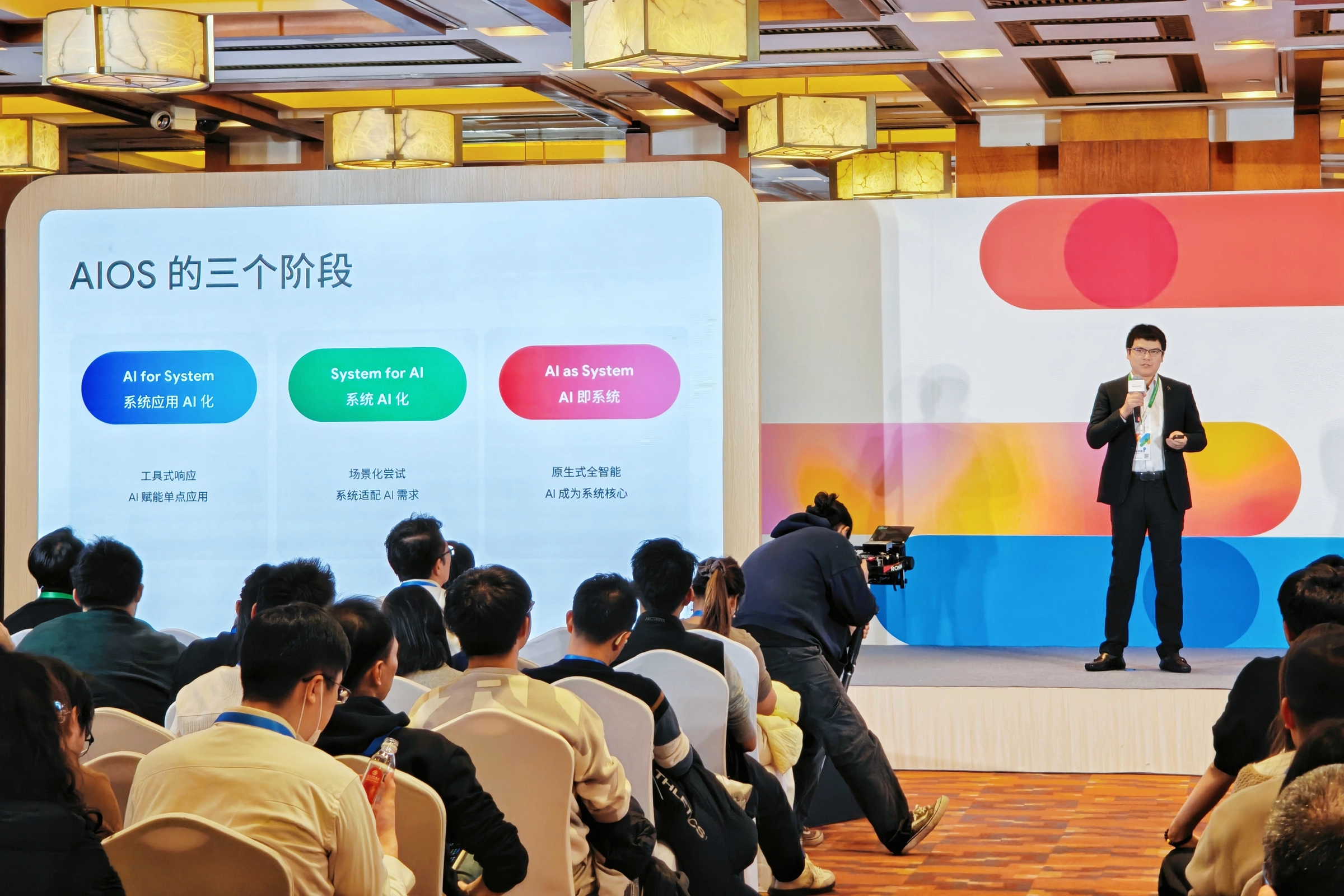
OPPO and Google Cloud are describing a next-generation AI operating system built around a simple idea: a smartphone should remember useful context, find it across apps and act on it without turning personal data into an open book. The companies presented the strategy in an official announcement that focuses on system architecture rather than a single handset feature.
The proposal matters because many mobile AI tools remain isolated inside individual applications. A photo assistant may understand images, a notes app may hold useful text and a voice recorder may contain important information, yet users still have to remember where everything is stored. OPPO’s plan is to make that information available through a more unified layer while keeping the phone, rather than a remote service, at the centre of the experience.
AI Mind Space is the proposed memory layer
At the centre of OPPO’s approach is AI Mind Space, which the company describes as a second brain for the phone. It is designed to organise information from text, images and voice interactions, giving the device a structured memory that can be used later. In practical terms, that could mean collecting fragments from a conversation, a screenshot and a voice note so they can be found together instead of remaining scattered across separate apps.
The announcement does not present AI Mind Space as a replacement for the underlying applications. Instead, it positions the feature as a system-level layer that can connect information generated in different parts of the phone. That distinction is important: OPPO is describing an operating-system strategy, not simply another chatbot or photo-editing tool.
AI Search is meant to cross application boundaries
OPPO also says it has enhanced AI Search so users can search across apps using everyday language. Rather than relying only on filenames, menus or exact keywords, the system is intended to interpret a natural request and look through relevant local information.
The company gives no universal list of compatible applications or a detailed consumer rollout timetable in the announcement, so the practical reach of this feature remains an open question. Its proposed direction is nevertheless clear: search should become a phone-wide function that can connect information from multiple sources, instead of a tool tied to one app at a time.
That approach could make mobile workflows less fragmented. A user looking for details about a trip, for example, might expect a single search to surface related text, images and recordings. Whether that works reliably will depend on permissions, supported data types and how accurately the system can distinguish relevant context from unrelated personal information.
AI Suggest would use context to anticipate needs
The third part of the strategy is AI Suggest. According to OPPO’s official announcement, the feature combines real-time, on-device context with stored memory data to create a dynamic user profile. That profile is intended to support recommendations that arrive at useful moments rather than appearing as generic prompts.
This is where the strategy moves from search to anticipation. A phone that can recognise what is happening now and connect it with information from the past could suggest a relevant note, surface a useful document or prepare an action before the user asks. It could also become intrusive if those suggestions are poorly timed or based on sensitive assumptions. OPPO’s description therefore makes control and privacy as important as the convenience itself.
Privacy is built into the cloud extension
OPPO says its AIOS will combine on-device computing with a Private Computing Cloud. The company describes this as a secure cloud extension that uses Google Cloud’s Confidential Computing technology, allowing data to be processed while limiting visibility into the data itself.
That model is designed to address a basic trade-off in mobile AI. On-device processing can reduce exposure and improve responsiveness, but phones have limited computing resources. Cloud processing can handle more demanding workloads, but it raises questions about where personal information goes and who can access it. OPPO’s proposed architecture aims to use both environments, with privacy controls forming part of the system design rather than an afterthought.
The announcement does not provide a full technical specification for the cloud controls, nor does it set out a complete threat model. Users should therefore treat the privacy claims as a description of the intended architecture, not as independent proof that every future feature will offer the same protection.
An open ecosystem is part of the plan
OPPO links the AIOS strategy to three broader technical pillars: on-device computing, its PersonaX memory-symbiosis engine and an Agent Matrix framework. The company says it is also working toward agent-to-agent interoperability across ecosystems, with the goal of reducing barriers between services and applications.
For developers, that could eventually mean mobile apps that can exchange context with system-level agents instead of operating as isolated destinations. For users, it could make the phone feel more coherent, but it may also create new permission and accountability challenges. Any system that lets software act across apps will need clear controls showing what information is being used, which service is responsible and when a human confirmation is required.
OPPO and Google Cloud have presented a direction for AIOS rather than a finished product with a universal launch schedule. The most significant part of the announcement is the attempt to connect memory, search, suggestions and cloud privacy into one smartphone architecture. If OPPO can deliver that combination without sacrificing transparency or user control, it could offer a more useful model for personal AI. For now, the announcement is best read as a roadmap whose real test will be how clearly those promises are implemented on consumer devices.