
Noticia
Snapchat starts friends-only sharing for users aged 13 to 15
Snapchat is rolling out a private profile experience for 13-to-15-year-olds, keeping Stories and Spotlight posts visible only to mutually accepted friends.
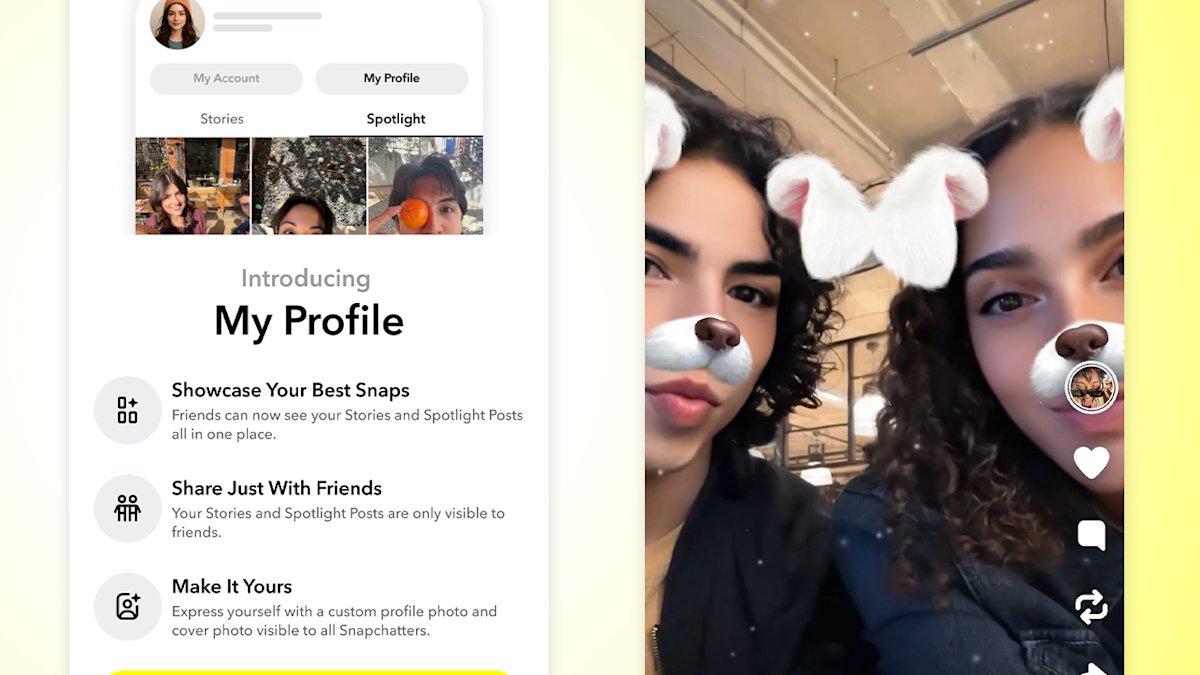
Snapchat is beginning to roll out a new sharing experience for users aged 13 to 15. The company says younger teens will be able to create, save and showcase Stories and short-form videos on a dedicated profile that is visible only to mutually accepted friends.
The change is a significant adjustment to how Snapchat handles public discovery for younger users. Previously, under-16 users could post to Spotlight, Snapchat’s short-form video platform, without their content being attributed to a public profile. Under the new system, Snapchat says users aged 13 to 15 will no longer be able to publish Spotlight content that is visible to people outside their friend network.
A private profile replaces broad discovery
The new profile is designed to give younger teens a place to collect and share their work without opening it to the wider Snapchat community. Content will be visible to mutually accepted friends, rather than to one-sided followers or unknown viewers.
Snapchat is also removing some of the pressure associated with public social platforms. Users in this age group will not have favorite-count metrics on their profile, according to the company. That means the profile can function as a personal showcase without exposing younger teens to the same engagement signals associated with public creator accounts.
The age-based structure is gradual. Snapchat describes ages 13 to 15 as a friends-only environment, while users aged 16 and 17 receive an optional introduction to public sharing with additional safeguards, limited distribution and parental visibility. Users aged 18 and over retain access to public profiles and broader distribution tools.
Why the default matters
Snapchat’s announcement reflects a broader shift in the design of social apps for teenagers: the default audience is becoming more important than the number of available publishing tools. A young user can still create and save videos, but the content starts inside a smaller, more familiar audience.
That distinction matters because public visibility can bring unwanted attention even when a post is not intended to become widely known. A friends-only profile does not remove every online risk, but it limits who can immediately view the content and reduces the role of algorithmic discovery for the youngest group.
It is also important to separate the announced policy from a universal availability promise. Snapchat says the experience is beginning to roll out, so the exact timing may vary by account, market and app version. Families should check the controls available in their own Snapchat accounts rather than assuming that every listed setting has appeared already.
Other protections remain part of the experience
The friends-only profile is one layer in Snapchat’s wider safety approach for users under 18. The company says key privacy and safety settings are set to stricter defaults for teens. It also says it has protections intended to prevent friend requests from people a teen may not know, and that teens cannot be messaged by people they have not added as friends or do not have in their phone contacts.
Snapchat says it can show a warning when a teen has accepted someone who may be unfamiliar and begins chatting with that person. The warning encourages the user to consider reporting or blocking the contact. These measures are designed to add friction at the point where an unfamiliar connection turns into a conversation.
Public content is handled differently. Snapchat says it pre-moderates public content before it can be recommended to a broad audience and works to identify accounts that may try to promote inappropriate material to teens. The company also points parents toward its Family Center, where they can view a teen’s friends list and recent communications, set content restrictions, disable access to the My AI chatbot, share location as a family and report potentially concerning accounts.
A more measured path to public posting
The practical effect is a staged path from private sharing to public publishing. At 13, a user can create and express themselves within a network of mutually accepted friends. At 16, Snapchat introduces more public features with additional safeguards. At 18, the account can access the platform’s broader public-profile tools.
That approach gives families a clearer framework for discussing social media use. The key question is no longer simply whether a teenager can post, but who can see the post, how easily it can spread and what controls remain available if a conversation becomes uncomfortable.
Snapchat’s official announcement presents the friends-only profile as a privacy-first foundation for younger teens. Its success will depend on consistent rollout, accurate age settings, effective moderation and whether families can understand and use the controls provided.