
Noticia
Vodafone, Airbus and RugGear expand smartphone-based emergency communications
Vodafone is adding RugGear devices to its Airbus partnership, combining prioritised 4G and 5G connectivity with secure collaboration tools for emergency services and critical industries across Europe.
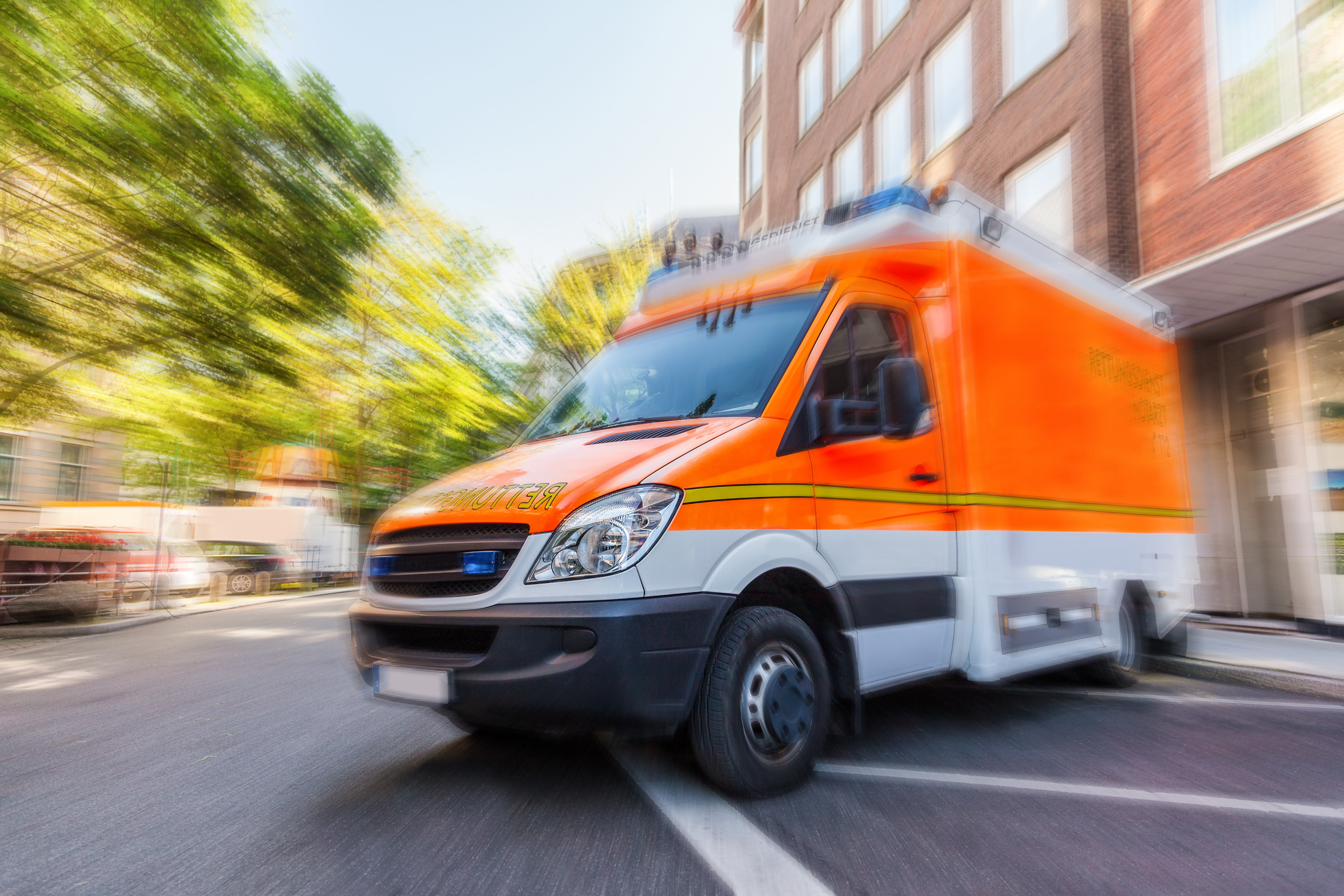
Vodafone, Airbus and RugGear are expanding a partnership designed to give emergency services and other critical industries a single communications package built around mobile networks, secure applications and rugged devices. Announced on June 17, 2026, the agreement adds RugGear to Vodafone and Airbus’s existing collaboration and extends the role of smartphones in mission-critical work.
The proposal combines Vodafone’s Mission Critical Communications service, Airbus’s Agnet collaboration platform and a range of RugGear devices designed for demanding environments. Vodafone says the package is intended for public-safety organisations, governments, airports, transport companies, energy providers and utilities that need dependable communications in situations where ordinary consumer services may not be enough.
At the centre of the offer is Vodafone MCx. The service uses 4G and 5G networks to prioritise calls, messages and data for authorised teams. That means field workers can exchange information through mobile devices while the network gives mission-critical traffic priority. Vodafone presents this as an encrypted, smartphone-based alternative to legacy systems such as TETRA, while retaining the ability to coordinate large groups and connect teams in the field with control rooms.
From radio handsets to connected field teams
The shift is not simply about replacing one handset with another. Vodafone’s announcement describes a wider workflow in which teams can share live video, drone footage, photos and other operational information in real time. Airbus’s Agnet platform can be deployed in the cloud or on the customer’s own premises, allowing organisations to connect groups of users and control rooms through a secure collaboration layer.
That combination could be useful during incidents where voice communication alone is insufficient. A field commander may need to see live video from a location, share an image with a control centre or create a temporary subgroup for a particular task. Vodafone says customers can scale the service to multiple users or new subgroups as an incident develops, rather than relying on a fixed radio structure.
RugGear supplies the hardware layer. Its Android-based phones and tablets are designed for harsh working conditions and include features such as high-lumen torches, alarms, industrial scanners, GPS tracking and push-to-talk capabilities. Vodafone does not present these devices as general-purpose rivals to flagship smartphones. Their role is to provide durability and practical tools for people working in conditions where water, impact, long shifts or specialist equipment can make ordinary handsets unsuitable.
Compatibility and European rollout
The service is not limited to RugGear hardware. Vodafone says the Airbus solution is compatible with all standard iOS devices and selected Android devices, while RugGear customers can choose devices through Vodafone’s online digital marketplace. This gives organisations more flexibility when they already operate a mixed fleet of phones, tablets and rugged equipment.
Vodafone first launched its MCx service in Germany and is now rolling it out across Europe. The company’s announcement does not set out a single European completion date, consumer pricing or a universal list of supported devices. Those details are likely to depend on the market, the network configuration and the requirements of each organisation.
The partnership also forms part of Vodafone’s wider connectivity strategy. The company says its mission-critical communications plans include future direct-to-device satellite broadband services alongside terrestrial mobile and fixed networks, subsea cables and other infrastructure. In this announcement, satellite connectivity is described as a future component rather than a general consumer feature with an immediate launch schedule.
Why the announcement matters
For emergency and infrastructure teams, the practical appeal is the integration of several functions into one managed service. A single package can combine prioritised mobile access, encrypted collaboration software and hardware designed for field work. That may reduce the need to operate separate systems for voice, video, location, group messaging and incident coordination.
It also reflects a broader change in how mobile networks are being used. Smartphones are no longer limited to voice calls and basic messaging in professional environments. With 4G and 5G, organisations can connect cameras, sensors, drones and specialist applications to the same operational network used by frontline staff. The benefit is not simply faster data; it is the possibility of sharing a more complete picture of an incident without forcing teams to switch between disconnected tools.
There are still important boundaries. The announcement confirms a partnership and a European rollout, not a new mass-market smartphone service. Availability, device support and network priority will depend on contracts and local deployment. The solution is aimed at organisations with critical communications needs, so individual users should not assume that any Vodafone customer can access the same features on a standard mobile plan.
Vodafone, Airbus and RugGear are therefore positioning the agreement as an enterprise communications platform rather than a standalone handset launch. Its success will depend on how smoothly the three components work together in real deployments, especially when teams need secure coordination under pressure. For now, the confirmed development is the expansion of Vodafone’s mission-critical portfolio with RugGear’s rugged devices and Airbus’s secure collaboration tools. Vodafone’s official announcement provides the currently disclosed details.