
Noticia
Xiaomi 17T Series Puts Leica 5x Telephoto at the Heart of Its 2026 Launch
Xiaomi has centered its 2026 T Series launch on Leica telephoto photography, with the Xiaomi 17T and 17T Pro pairing 5x optical zoom hardware with new Live Moment imaging features.
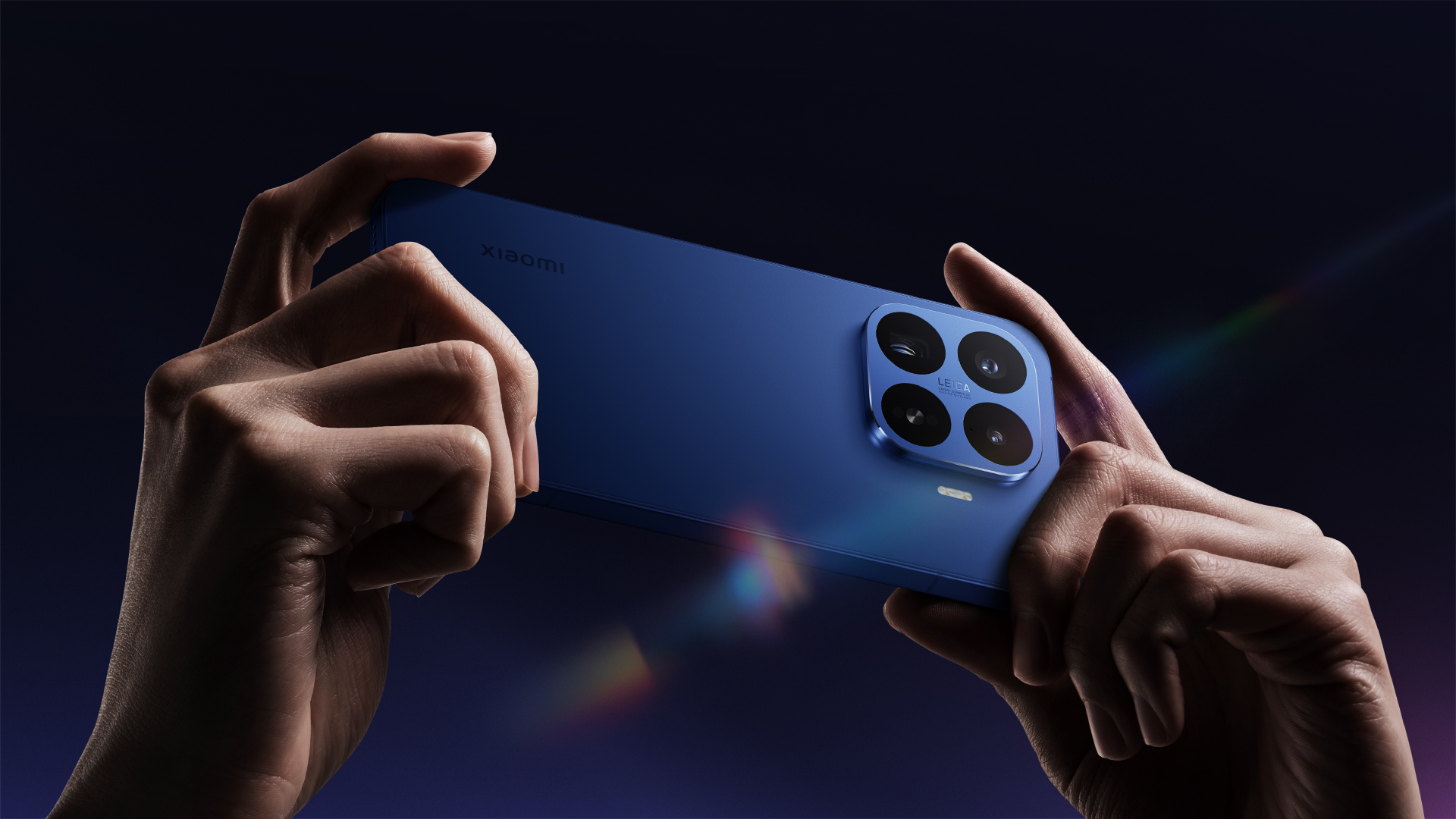
Xiaomi has made long-range photography the headline feature of its latest smartphone family. At its May 28 launch event in Vienna, the company introduced the Xiaomi 17T Series and positioned its Leica collaboration around a 5x telephoto camera, rather than treating zoom as a secondary feature on a flagship phone.
The announcement covers two models, the Xiaomi 17T and Xiaomi 17T Pro. Xiaomi describes both as a major imaging step for its T Series, but the company’s own product pages show that the two phones take different approaches to the rest of the hardware. That distinction matters for buyers comparing the range, because the shared telephoto message does not mean the devices are identical.
5x optical zoom is the centrepiece
Xiaomi says the 17T Series features a Leica 5x telephoto camera designed to keep distant subjects clear. The company describes the 17T Pro as offering a Leica 5x periscope telephoto and lists up to 120x AI Ultra Zoom. The standard Xiaomi 17T also has a 5x periscope telephoto and a manufacturer-listed maximum of 120x with AI Ultra Zoom.
Those figures should not be confused. The 5x rating refers to the phone’s native optical telephoto camera, while 120x is an AI-assisted digital zoom mode listed by Xiaomi. The official specifications do not establish how the highest zoom levels perform in real-world conditions, and Xiaomi has not supplied independent test results with the announcement. For now, the clearest confirmed takeaway is that both models have dedicated 5x telephoto hardware.
The Xiaomi 17T Pro combines that camera with a 50-megapixel main sensor, optical image stabilisation and a 50-megapixel 115mm-equivalent periscope telephoto. Its third rear camera is a 12-megapixel ultra-wide unit. Xiaomi also lists a Leica Summilux optical design and support for RAW capture in Pro mode.
The standard 17T keeps the same broad triple-camera layout, with a 50-megapixel main camera, a 50-megapixel 115mm-equivalent telephoto and a 12-megapixel ultra-wide camera. Its product page lists a smaller 1/1.55-inch Light Fusion 800 main sensor, compared with the 17T Pro’s 1/1.31-inch Light Fusion 950 sensor. Both main cameras include optical image stabilisation according to Xiaomi’s published specifications.
Different hardware, shared imaging direction
The other major difference is the platform used by each phone. Xiaomi lists the MediaTek Dimensity 9500 for the 17T Pro and the Dimensity 8500-Ultra for the 17T. The Pro model also has a 6.83-inch 144Hz display, a 7,000mAh typical-capacity silicon-carbon battery, 100W wired charging and 50W wireless charging. The 17T has a 6.59-inch 120Hz display, a 6,500mAh typical-capacity battery and 67W wired HyperCharge.
These are manufacturer specifications, not measurements from an independent laboratory. Xiaomi’s product pages also note that actual experiences can vary, and regional product details may differ. The launch page says that specific models and sale dates vary by region, so the presence of a global product page should not be treated as confirmation of identical availability in every market.
Alongside the optical hardware, Xiaomi is promoting a feature it calls Leica Live Moment. The launch material presents it as a new form of mobile imaging built around Leica optics, performance and efficiency. The product pages list Live Moment and HDR Live Moment among the camera features, but the launch announcement does not explain the processing pipeline, file format or sharing compatibility in enough detail to assess the feature independently.
That limited explanation is worth keeping in mind. Camera phones increasingly use computational photography to extend what their lenses can capture, but a feature name alone does not show whether a mode is useful in everyday shooting. The 17T Series therefore looks most concrete on paper where Xiaomi gives conventional hardware information: a dedicated 5x telephoto camera, stabilisation, Leica-branded optics and a three-camera rear system.
What the announcement establishes
Xiaomi’s May launch confirms a clear strategy for the T Series: make telephoto photography a central reason to consider the phone. The company is also separating the Pro and standard models through their display, battery, processor and main-camera specifications, while keeping the long-range camera concept broadly consistent between them.
What the announcement does not provide is a comparative test against rival smartphones, a verified assessment of the 120x mode, or a universal price and release schedule. Those questions will depend on local market pages and independent testing. This report is based on Xiaomi’s official launch material and product specifications; it is not a hands-on review.