
Actualité
Africa’s Telecom Agenda Gains an AI Language Layer with ATLAS Umoja
The GSMA and five African governments have launched ATLAS Umoja AI alongside a new declaration focused on meaningful connectivity, digital inclusion and locally relevant services.
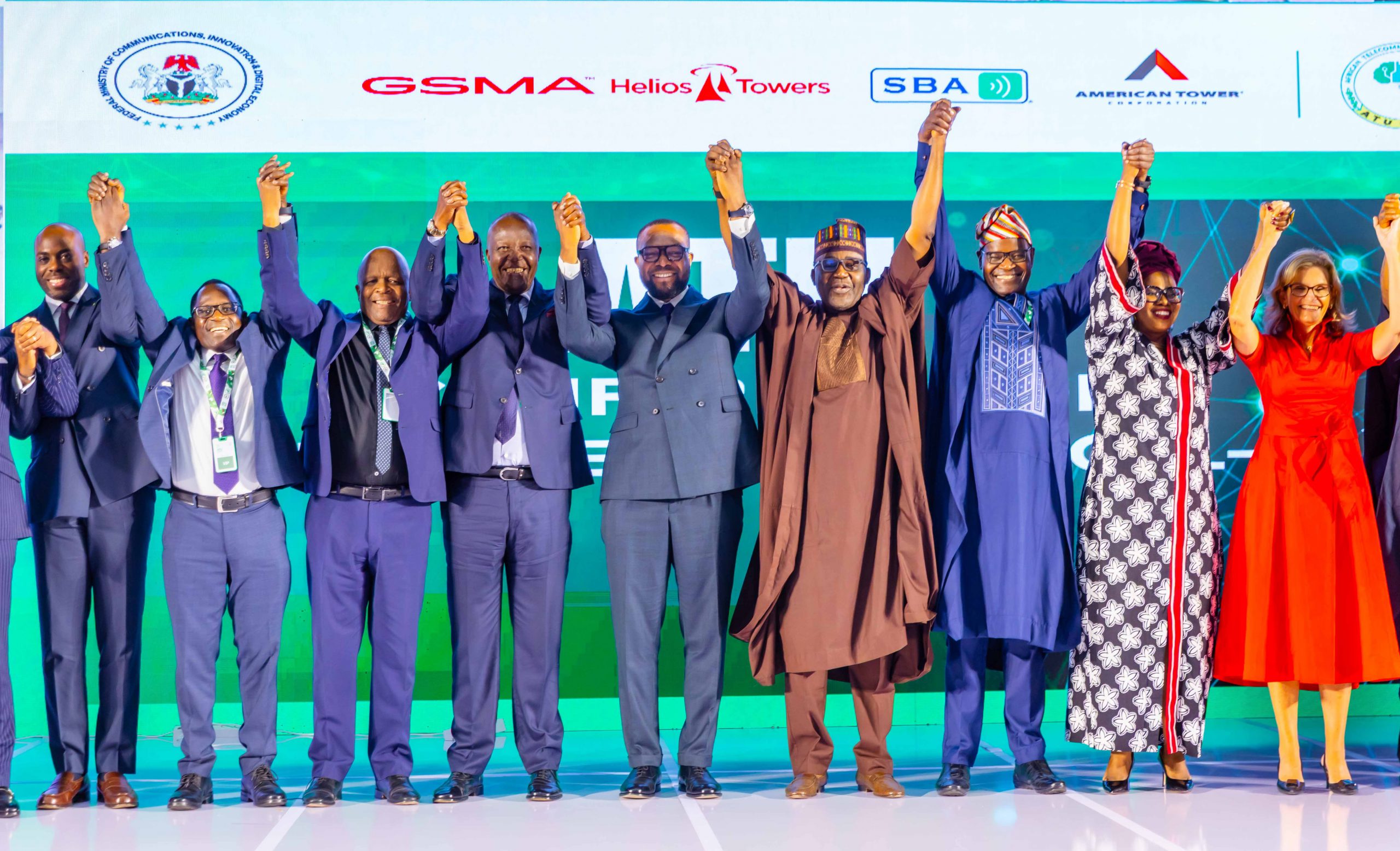
Africa’s next connectivity challenge is moving beyond network coverage. The GSMA and governments from Benin, Kenya, Namibia, Nigeria and Togo have now backed a continental initiative designed to make artificial intelligence more useful in the languages and contexts of African communities.
Announced during the African Telecommunications Union’s Conference of Plenipotentiaries in Abuja, ATLAS Umoja AI was launched alongside the Abuja Ministerial Declaration on Meaningful Connectivity for Africa. The two announcements address different parts of the same problem: networks need investment and supportive regulation, while the services delivered over them must be affordable, relevant and accessible.
The GSMA’s official announcement describes the declaration as a commitment to digital inclusion, technology-neutral regulation, resilient infrastructure and locally relevant digital services. It also calls for closer cooperation between governments, industry and development partners to reduce both connectivity and usage gaps.
A policy framework built around meaningful access
The Abuja Declaration is not a consumer product launch, and it does not promise an immediate change to mobile plans or smartphone availability. Its importance is strategic. By putting affordability, digital skills, consumer protection, cybersecurity and locally relevant services into the same policy conversation, African governments are treating connectivity as more than a signal reaching a device.
That distinction matters because coverage alone does not guarantee that people will use mobile internet. A person may live inside a broadband footprint and still be blocked by the cost of a handset, limited digital confidence, a lack of useful content or services that do not reflect their language and daily needs.
The Nigerian Federal Ministry of Communications, Innovation and Digital Economy says the conference’s declaration also covers access to spectrum and fibre infrastructure, stronger cybersecurity and consumer protection, and inclusion for women, young people, people with disabilities and underserved communities.
The GSMA says policymakers also discussed satellite connectivity, spectrum policy and technology-neutral licensing during the conference. Those areas are particularly relevant to mobile operators because they influence where networks can be built, how efficiently spectrum can be used and whether new connectivity models can reach communities that traditional infrastructure does not serve economically.
What ATLAS Umoja AI is meant to do
ATLAS Umoja AI is intended to create a shared environment for African governments, researchers, companies and innovators working on language-focused AI. The initiative will bring participants together to exchange expertise, datasets and best practices rather than leaving each country or organisation to build isolated systems.
The stated goal is to develop trusted and scalable AI that better reflects Africa’s languages, cultures and development priorities. That could eventually support digital services that are easier to use on smartphones, including conversational interfaces, public-service tools, education applications and customer-support systems. The announcement does not claim that these applications are already available through ATLAS Umoja, so the immediate development is the creation of a collaborative foundation.
According to the GSMA, making AI and digital services available in the languages people use every day could help address two barriers to internet adoption: digital literacy and a shortage of locally relevant content. The initiative is backed by Nigeria’s Ministry of Communications, Innovation and Digital Economy, Togo’s Ministry of Digital Economy and Transformation, Kenya’s Ministry of Information, Communications and the Digital Economy, Namibia’s Ministry of Information and Communication Technology, and Benin’s Ministry of Digital Transformation and Innovation.
Private-sector and research partners named in the announcement include Awarri, Zindi, Pawa AI and Mozisha. The initiative also builds on Nigeria’s N-ATLAS work and the wider AI for Good Global Commission, linking national programmes with a broader regional effort.
The ATLAS Umoja AI website presents the project as a pan-African collaboration convened by the GSMA and powered by Awarri. Its emphasis on shared participation is significant: language models require representative data, technical talent, computing resources and sustained governance, and those ingredients are difficult to assemble through isolated national projects.
Why the announcement matters for mobile users
For smartphone users, the practical value of this work will depend on what partners build next. A regional AI initiative does not automatically improve a phone’s assistant, translation tool or mobile application. Those improvements will require working models, tested datasets, responsible deployment and services that function reliably on the devices and networks people actually use.
However, ATLAS Umoja places language and local relevance closer to the centre of the mobile ecosystem. If developers eventually gain access to better African-language resources, they may be able to create applications that support more users without forcing them to switch to a dominant global language first. Operators and public institutions could also have a stronger foundation for digital services designed around local needs.
The Abuja Declaration supplies the policy side of that effort. ATLAS Umoja supplies a potential technology and collaboration layer. Neither announcement resolves affordability, skills or infrastructure on its own, but together they show how African governments and the mobile industry are trying to connect network expansion with services people can meaningfully use.
The next test will be execution: whether the initiative can turn shared commitments into accessible datasets, dependable models, useful applications and measurable improvements in digital participation. For now, the verified development is the launch of a pan-African framework for African-language AI, paired with a ministerial commitment to make connectivity more inclusive and relevant.