
Actualité
Apple’s 2026 Design Awards spotlight 12 apps and games
Apple has named 12 app and game winners across six categories, highlighting accessibility, spatial experiences, interaction design and visual craft.
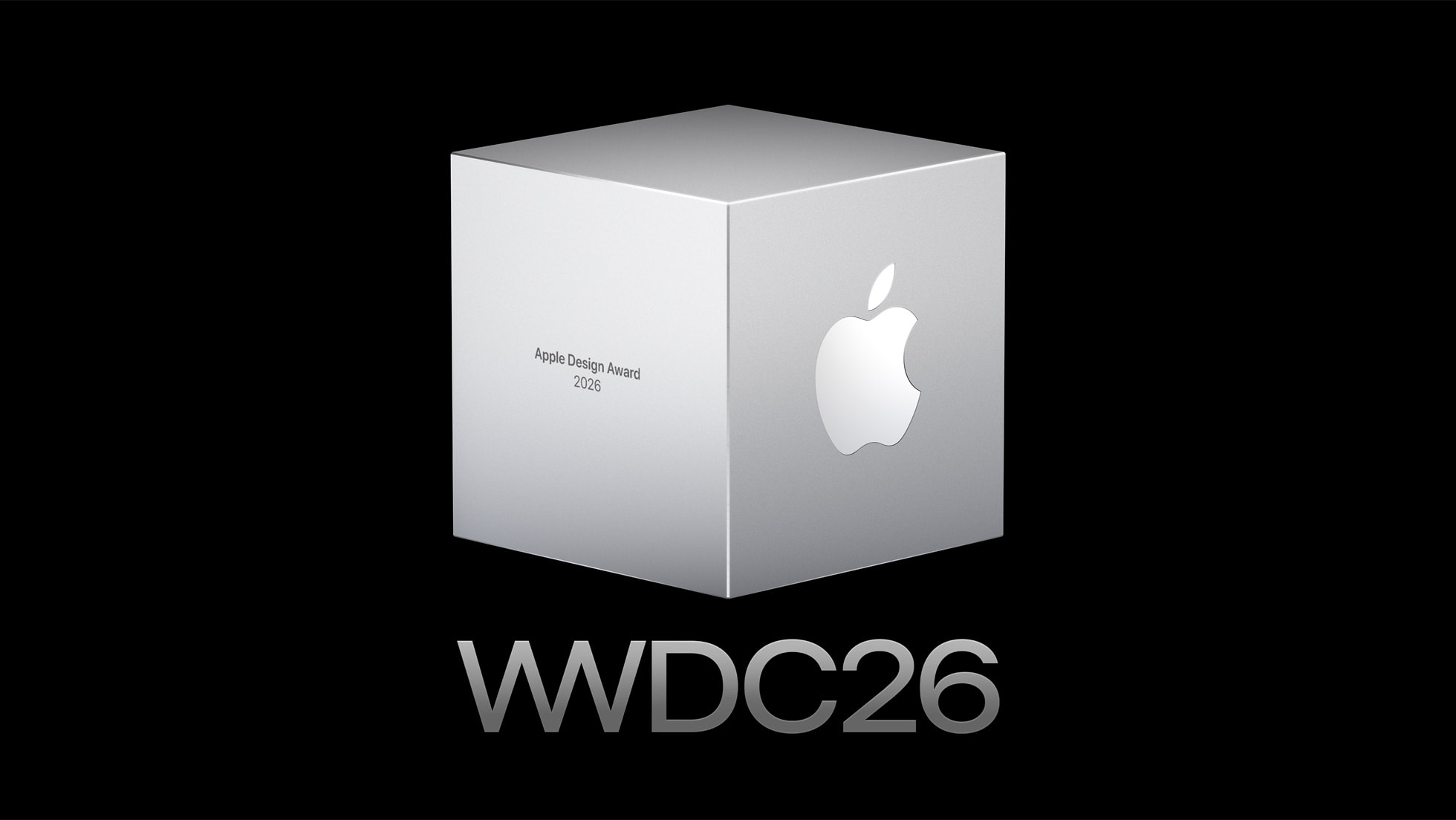
Apple’s 2026 Apple Design Awards put the spotlight on twelve apps and games whose creators are exploring what mobile and spatial software can do. Announced in June, the awards recognise one app and one game in each of six categories, selected from 36 finalists worldwide. The complete list is available in Apple’s official announcement.
The awards are not a ranking of devices or a performance test. Instead, they offer a snapshot of the software experiences Apple considers especially effective across iPhone, iPad, Mac, Apple Vision Pro, Apple TV and Apple Arcade. This year’s categories cover Delight and Fun, Inclusivity, Innovation, Interaction, Social Impact, and Visuals and Graphics.
Small ideas, carefully executed
The Delight and Fun category pairs grug from Dutch developer Ocho with Is This Seat Taken? from Spain’s Poti Poti Studio. Apple describes grug as a playful affirmation app built around short, deliberately simple moments of reflection. The winning game uses cartoon-style public-transport scenarios and logic puzzles, turning the act of finding a seat into a gentle interactive challenge.
That pairing says something about the current app landscape: an award-winning experience does not have to be technologically loud. Apple’s descriptions emphasise clarity, charm and the quality of the interaction rather than a long feature list. For users, the practical value is easy to understand: both winners are designed to make brief sessions feel purposeful and enjoyable.
Accessibility as part of the design
Inclusivity winners Guitar Wiz and Pine Hearts show how accessibility can be integrated into the main experience. Guitar Wiz, created by India-based developer Bijoy Thangaraj, provides spoken guidance for guitarists, including help with pitch and finger placement. Apple also highlights its use of Dynamic Type, Increased Contrast and Differentiate Without Colour.
Pine Hearts, from UK studio Hyper Luminal Games, uses enhanced text legibility, customisable controls and adjustable motion and sensory feedback. Apple presents the game as an experience intended for players with different abilities, rather than as a separate accessibility mode added after the fact. That distinction matters on smartphones and tablets, where small screens and touch controls can otherwise exclude users.
Apple’s platforms as creative tools
The Innovation category goes beyond the iPhone. NBA: Live Games & Scores uses Apple Vision Pro to let fans watch up to five live games at once, follow real-time statistics and view player movement on a three-dimensional court in tabletop mode. Apple also points to Spatial Audio and the Spectrum Front Row experience as part of the app’s immersive sports presentation.
Blue Prince, developed by Dogubomb, takes a different route. It is an exploration and puzzle game built around a changing, room-by-room structure, with environmental storytelling woven into pictures, notes and the spaces themselves. Apple’s selection suggests that innovation can come from the relationship between a platform and a carefully designed idea, not only from new hardware capabilities.
Interaction and information
Moonlitt: Moon Phase Tracker won the Interaction award for its broad platform support, simple onboarding and Liquid Glass integration. The app combines lunar information with tools for tracking celestial events and planning photography. Sago Mini Jinja’s Garden, the category’s game winner, uses swipe controls to let children plant, harvest and cook without forcing them through complicated instructions.
In Social Impact, Primary: News in Depth uses a spatial interface designed for Apple Vision Pro to organise news stories in a way that encourages deliberate exploration. Consume Me, created by Jenny Jiao Hsia and AP Thomson, uses gameplay to approach a sensitive subject with care. Apple’s descriptions frame both projects around how software can influence attention, understanding and emotional engagement.
Polished visuals, practical data
The final category recognises Tide Guide: Charts & Tables and Cyberpunk 2077: Ultimate Edition. Tide Guide presents hour-by-hour forecasts through full-screen charts, custom animations and a palette that responds to the sky. Its visual polish is tied to a clear task: helping users understand tide information.
Cyberpunk 2077: Ultimate Edition represents the other end of the spectrum. Apple says the game takes advantage of Apple silicon on Mac and advanced Metal features to create detailed interiors, character art and vehicle designs. Together, the winners show that visual quality is most useful when it supports either comprehension or immersion.
For mobile users, the 2026 Apple Design Awards are a reminder that the most meaningful app advances are often found in the details: readable text, understandable controls, thoughtful feedback and interfaces that respect the user’s attention. The full winner list, developer names and Apple’s category descriptions can be checked in the company’s official Apple Design Awards materials.