
Actualité
Apple previews iOS 27 with Siri AI and stronger parental controls
Apple’s WWDC26 software preview combines a new Siri experience with child accounts, scheduled app access and broader Apple Intelligence features, while final availability remains ahead.
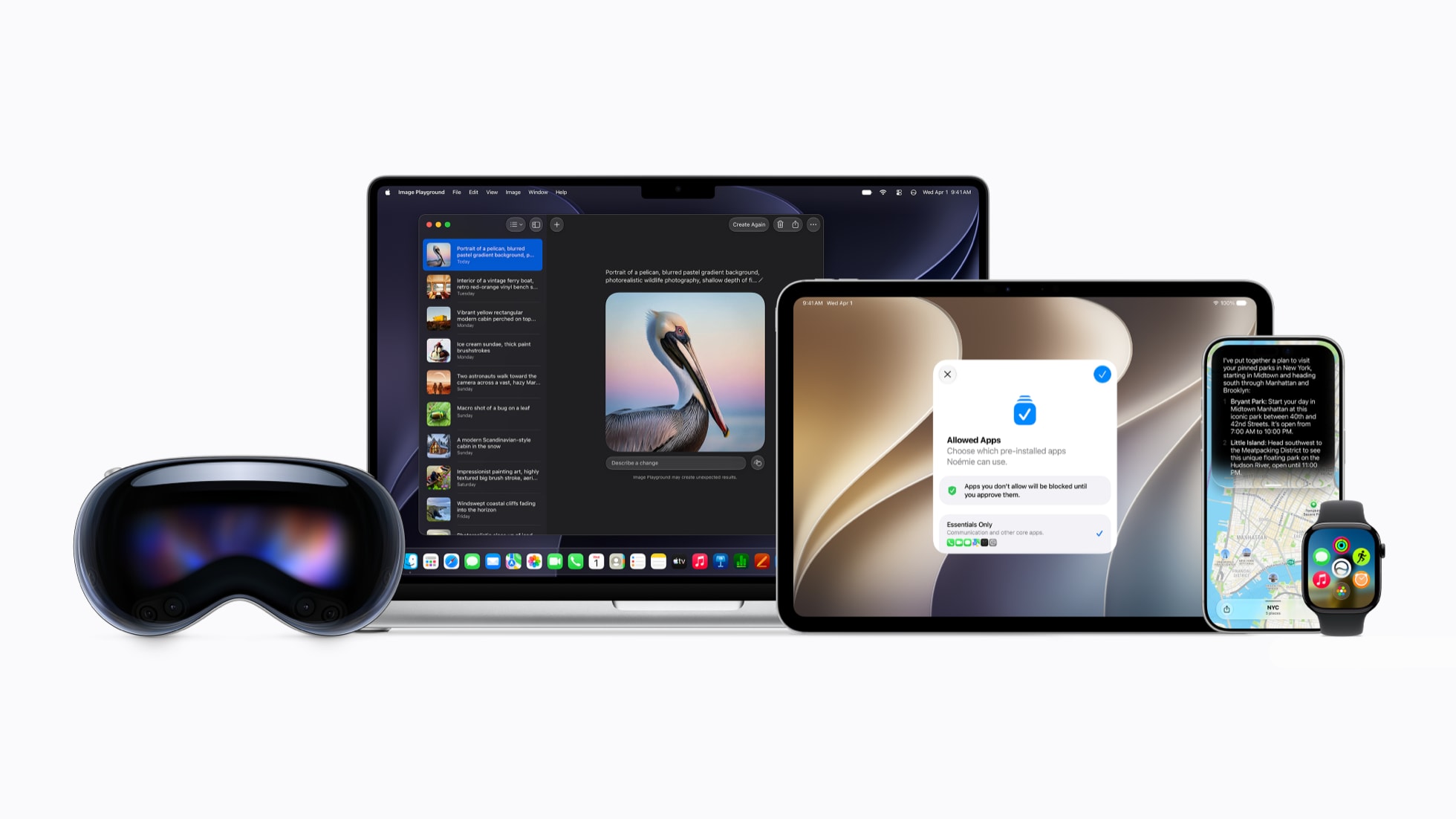
Apple used WWDC26 on June 8, 2026, to preview iOS 27 and a wider software update built around two themes: a more capable Siri and more deliberate controls for family devices. The announcement covers Apple’s platforms, but the iPhone is central to the change because Siri AI, child accounts and the redesigned Screen Time tools are designed to work inside everyday phone use.
The important distinction is timing. Apple has announced the features, but it has not presented them as a finished public release. The company said developer testing would begin through the Apple Developer Program, a public beta would follow the next month, and the final software updates would arrive in the fall. Features may still change before release, and availability can vary by device, language and region.
Siri AI is intended to work across apps
Apple describes Siri AI as an entirely new version of Siri, deeply integrated into iPhone, iPad, Mac, Apple Watch and Apple Vision Pro. On iPhone, the proposed experience is less about answering isolated voice commands and more about understanding what is already happening on the screen.
According to Apple, Siri AI will be able to answer questions about onscreen content, search across messages, emails and photos using personal context, and carry out more systemwide actions across apps. That could make the assistant useful for tasks that previously required several separate steps, such as finding information in a conversation and turning it into a reminder. The announcement also says Siri AI can use the web for up-to-date information, which gives the assistant a broader role than a purely local phone feature.
Apple is also introducing a dedicated Siri app where users can start a conversation or revisit an earlier one. Conversation history will sync privately through iCloud across a user’s Apple devices. The practical appeal is continuity, but the privacy model will matter just as much as the interface: users will need to understand which requests rely on personal context, which actions involve other apps and when a request goes online.
Child accounts bring controls closer to setup
The family features are a substantial part of the iOS 27 announcement. Apple says a child account can enable age-appropriate protections across the system, with Setup Assistant allowing parents to decide which apps are available and retain control over what is added later.
The proposed communication tools are designed to let parents approve each new contact a child connects with. Apple also says communication safety features can intervene when explicit or violent content is being shared. These are not described as a replacement for parental involvement; they are system controls intended to make the boundaries easier to configure and review.
Screen Time is being reorganized around daily allowances for three categories that families commonly want to manage: Entertainment, Games and Social Media. Parents can also create schedules that determine which apps are available at particular times of day or during specific parts of the week. Apple says the setup includes a suggested daily allowance informed by clinical and child-development experts, giving families a starting point rather than a mandatory limit.
That approach could be more usable than asking parents to tune dozens of individual app timers. It also makes the policy easier to explain to a child: a category allowance and a school or bedtime schedule are clearer than a long list of exceptions. The details will still depend on how the controls behave in practice, especially when children use more than one Apple device.
Apple’s performance figures are company claims
Apple is pairing the new intelligence and family features with broader performance claims for its software platforms. The company says iPhone and iPad apps can launch up to 30 percent faster, photos can load up to 70 percent faster after capture, and AirDrop transfers can be up to 80 percent faster. It also says network transitions between cellular and Wi-Fi should feel more seamless.
Those numbers should be read as Apple’s own test results, not as an independent review. Apple’s footnotes describe testing in April and May 2026 on specific devices, prerelease software and controlled workloads. The results can vary with configuration, settings, content, software versions and usage. The release therefore provides a useful indication of Apple’s target, but it does not establish how every iPhone user will experience the update.
Availability will decide how much changes today
Apple says Apple Intelligence and Siri AI in iOS 27 will require supported hardware. The listed iPhone models include iPhone 16 and later, along with iPhone 15 Pro and iPhone 15 Pro Max. Other Apple devices have their own requirements, and some features will not be available in every language or region.
Siri AI is scheduled to arrive later as a beta for users with supported devices set to English, with more languages planned. Apple says the feature will not initially be available in iOS, iPadOS and watchOS in the European Union, while Siri AI and other new Apple Intelligence features will not be available in China as the company works through regulatory requirements.
For iPhone owners, the headline is therefore a preview of a more context-aware assistant and a more structured family-control system, not an immediate promise that every announced feature will work everywhere. The most meaningful test will come when the public software is available: whether Siri’s cross-app actions are predictable, whether personal data boundaries are understandable, and whether the new controls give families useful guidance without turning everyday phone use into constant administration.