
Actualité
Apple Upgrade replaces the iPhone Upgrade Program with a Klarna lease in the US
Apple has launched a new device-leasing option in the United States, changing how eligible customers can obtain an iPhone through Apple’s retail channels.
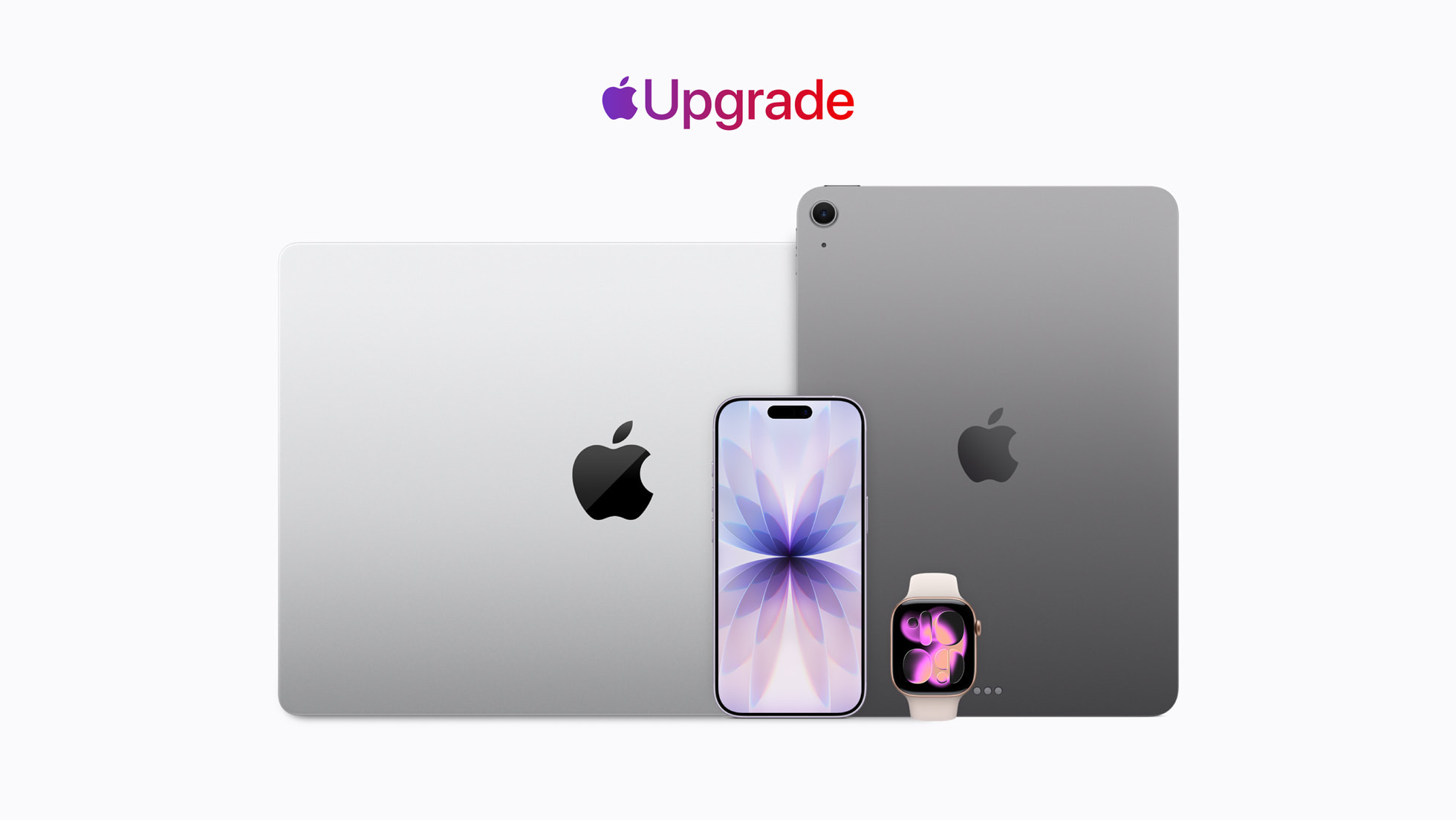
Apple has launched Apple Upgrade, a new leasing program provided by Klarna for eligible customers in the United States. The July 28 announcement covers iPhone, Apple Watch, Mac and iPad, and marks a significant change to how Apple handles recurring device payments through its own stores.
The most important distinction is that Apple Upgrade is a lease, not a purchase or a conventional loan. Customers make monthly payments for a defined term, then choose whether to upgrade through a new lease, buy the device with a one-time payment or return it and leave the program. Unless the purchase option is used, the customer does not own the device at the end of the lease.
What changes for iPhone buyers
For iPhone, Apple offers 12- and 24-month lease options. Apple says monthly payments start at $17.99, although the final amount depends on the selected model, storage, lease term, taxes, trade-in value and approval. The company’s published example lists an iPhone 17 Pro with 256GB storage at $31.99 per month for a 24-month lease or $45.99 per month for a 12-month lease, before taxes and any trade-in credit.
Apple Upgrade is available through the Apple Store online, the Apple Store app and Apple retail locations in the United States. Apple says the program replaces both the iPhone Upgrade Program and iPhone Payments in that market. Existing customers are not limited to the new lease: eligible users can also consider Apple Card Monthly Installments, pay in full or use carrier financing.
There is an important connectivity condition for iPhone leases. Customers must select an eligible carrier from AT&T, T-Mobile or Verizon, and prepaid carrier plans are excluded. The leased iPhone remains unlocked, so Apple says users can switch between eligible carrier arrangements subject to the carrier’s own terms.
How the lease works
Apple and Klarna have designed the enrollment process around an online or in-store credit application. Applicants receive a soft credit inquiry, which Apple says will not affect their credit score, but approval remains subject to eligibility and creditworthiness. Apple also says that no security deposit is required.
A trade-in can reduce the monthly payment when a customer first enrolls. Apple Card users may also receive 3 percent Daily Cash on lease payments, subject to the card’s own approval requirements and terms. These details make the headline monthly figure easier to understand: it is a starting point rather than a universal price for every iPhone buyer.
Billing information is managed through the Klarna app, where customers can review their payment schedule and remaining payments. AppleCare can be added separately. That may be relevant for customers planning to return a device, but insurance is not included in the lease, and Apple warns that damage or failure to return the device in the required condition can result in additional charges.
The end of the term requires a decision
At the end of the initial lease, customers can enter a new lease for a newer device, purchase the leased product with a one-time payment or return it. Upgrading is not automatic and requires a new agreement, a new eligibility decision and the return of the previous device. Apple also warns that a new monthly payment may be higher than the previous one.
Customers who take no action do not automatically become owners. Apple says the lease can continue on a month-to-month basis for up to six months, with payments potentially increasing during that extension. If the customer still does not choose an option, the purchase fee under the lease may be charged. Ending a lease early can also involve substantial fees, so the full agreement matters more than the initial monthly figure.
A US-only launch with a wider retail impact
Apple Upgrade is limited to US residents, excluding US territories, and leased devices can only be shipped to eligible US addresses or collected from Apple retail stores in the United States. Applicants must meet additional conditions, including having an Apple Account in good standing, a Klarna Account, an accepted payment card and the ability to receive security codes by text message.
The program gives Apple a single leasing framework across several device categories while keeping the application inside its retail ecosystem. For smartphone shoppers, the practical change is straightforward: the old iPhone Upgrade Program is no longer the route Apple offers for new enrollments in the US, and customers must now compare leasing with outright payment, Apple Card financing or carrier plans.
That comparison should include the total cost over the chosen term, the purchase fee, early-termination conditions, trade-in assumptions, insurance needs and the possibility of a higher payment after upgrading. Apple Upgrade may reduce the upfront barrier to obtaining an iPhone, but the device remains part of a continuing financial agreement until the customer returns it or completes the purchase.