
Actualité
Ericsson RAN Compute platform selected by NTT DOCOMO for Japan networks
NTT DOCOMO has selected Ericsson’s new RAN Compute platform for Japanese 4G, 5G and 5G Advanced networks, with deployment already under way.
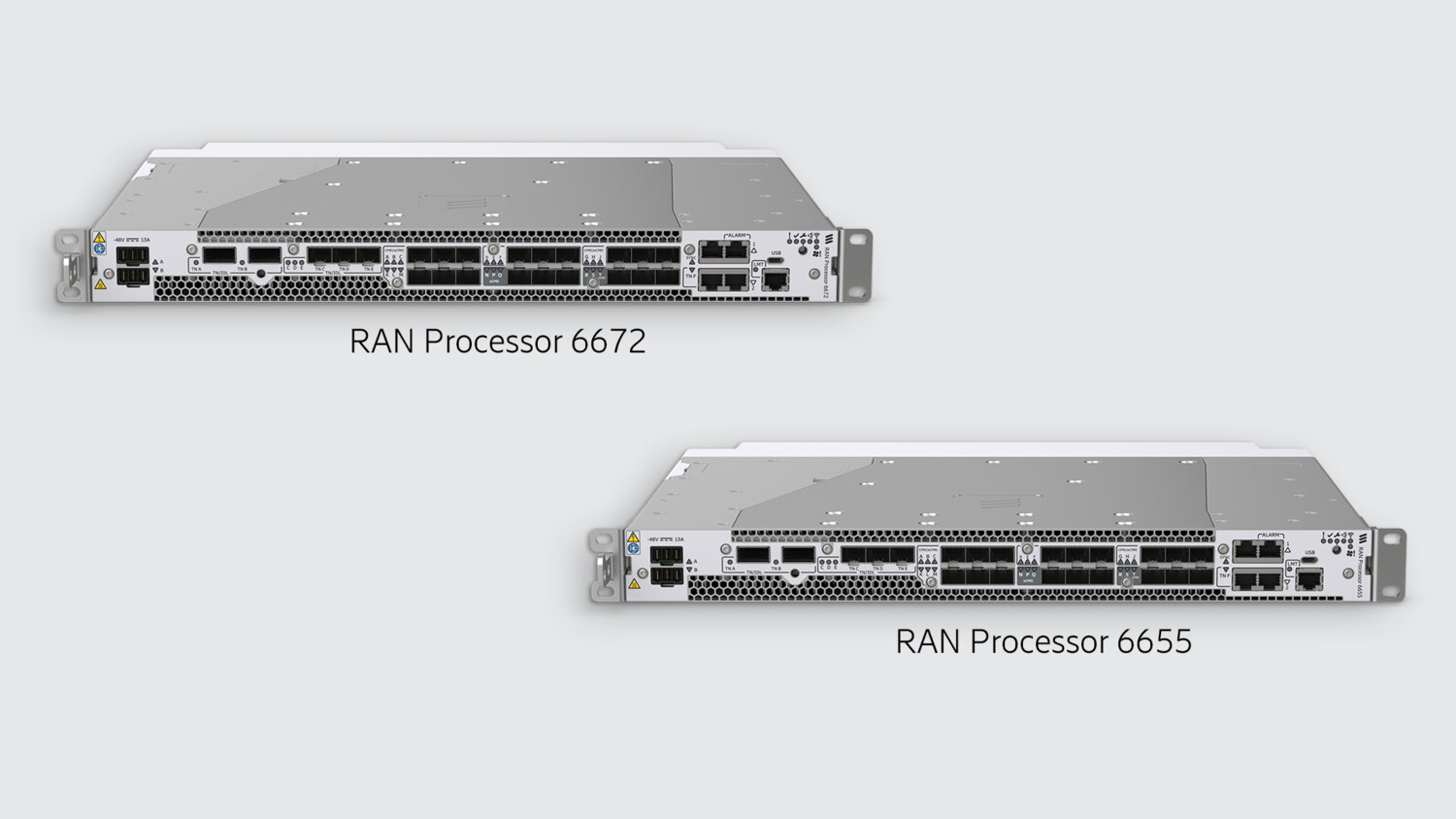
Ericsson says NTT DOCOMO has selected its next-generation RAN Compute platform for networks in Japan, including 5G. The deployment puts more processing capacity inside the radio access network, where traffic from smartphones and other connected devices is handled before it moves deeper into an operator’s core. Ericsson says the first installations began in July and are intended to support DOCOMO’s longer-term network plans.
The announcement is a network-infrastructure story rather than a consumer phone launch. Its importance is practical: operators are trying to carry more mobile data, introduce 5G Advanced features and prepare for new AI-related workloads without treating every capacity increase as a reason to replace an entire site. The companies’ announcement links those goals to a new generation of processing hardware and software that can evolve over time.
What NTT DOCOMO is getting
Ericsson describes RAN Compute as a platform built around its latest Ericsson Silicon and optimized for 4G, 5G and 5G Advanced radio workloads. It is also designed for enhanced artificial-intelligence and machine-learning workloads in the RAN. In plain terms, that means some of the computing work required to coordinate radio resources and serve users can be handled on purpose-built equipment close to the network edge.
That approach matters because the radio access network has to respond to changing demand constantly. A stadium, railway station or dense urban area can create sharp bursts of traffic, while operators still need to control energy use and keep existing locations productive. Ericsson’s announcement with NTT DOCOMO says the platform is intended to support software evolution, rather than locking the operator into a short hardware cycle.
A capacity and energy claim to watch
Ericsson says the new RAN Compute platform can deliver up to twice the capacity while using less than half the energy of the previous generation of baseband products. That is a manufacturer-reported comparison, not an independent test result, and the release does not provide a test protocol or the operating conditions behind the figures. It is therefore best read as the company’s target for the platform, not as a result that has been verified across DOCOMO’s live network.
The stated gains are especially relevant to centralized RAN, or C-RAN, deployments. In that architecture, processing units can be grouped rather than installed separately at every radio location. Ericsson says the resulting arrangement can improve site operations and lower costs, but actual benefits will depend on the network design, traffic mix, spectrum configuration and deployment scale. The announcement does not disclose a rollout size, customer price or a timetable for nationwide completion.
Why the software layer matters
The hardware is only part of the story. Ericsson’s RAN Compute overview describes indoor and outdoor configurations, support for centralized and distributed deployments, and remote reconfiguration for spectrum changes. It also presents the platform as software-upgradable, which is intended to let operators add capabilities without replacing every processing unit when the radio network evolves.
That flexibility is becoming more important as 5G moves from coverage expansion toward continuous optimization. Operators are balancing legacy 4G traffic, 5G capacity, 5G Advanced features and new services that may generate more uplink demand. Ericsson’s separate Ericsson Silicon material says its custom chips are designed for mobile-network processing and emphasizes reduced size, weight and power consumption. Those are vendor-described design goals; they do not by themselves guarantee a particular experience for every DOCOMO subscriber.
What changes for phone users
There is no immediate handset feature or consumer app to download as a result of this announcement. If the deployment performs as intended, the effect should appear indirectly through the network: more consistent capacity in busy areas, more headroom for future services and potentially more efficient operation of selected sites. Ericsson’s release says the goal is to enhance the network experience for DOCOMO customers, but it does not promise a specific speed increase, coverage expansion or change to customer plans.
The next useful milestone will be evidence from the operational network. DOCOMO and Ericsson will need to show how the platform behaves under real traffic, how quickly software changes can be introduced and whether the claimed capacity and energy improvements hold across different site types. For now, the announcement establishes a concrete deployment of AI-capable RAN processing in Japan, while leaving the consumer impact to be measured as the rollout develops.