
Actualité
Nokia expands agentic AI tools for autonomous mobile networks
Nokia is expanding its autonomous-networks portfolio with telco-specific AI agents, new RAN automation and controlled deployment paths designed to improve network reliability.
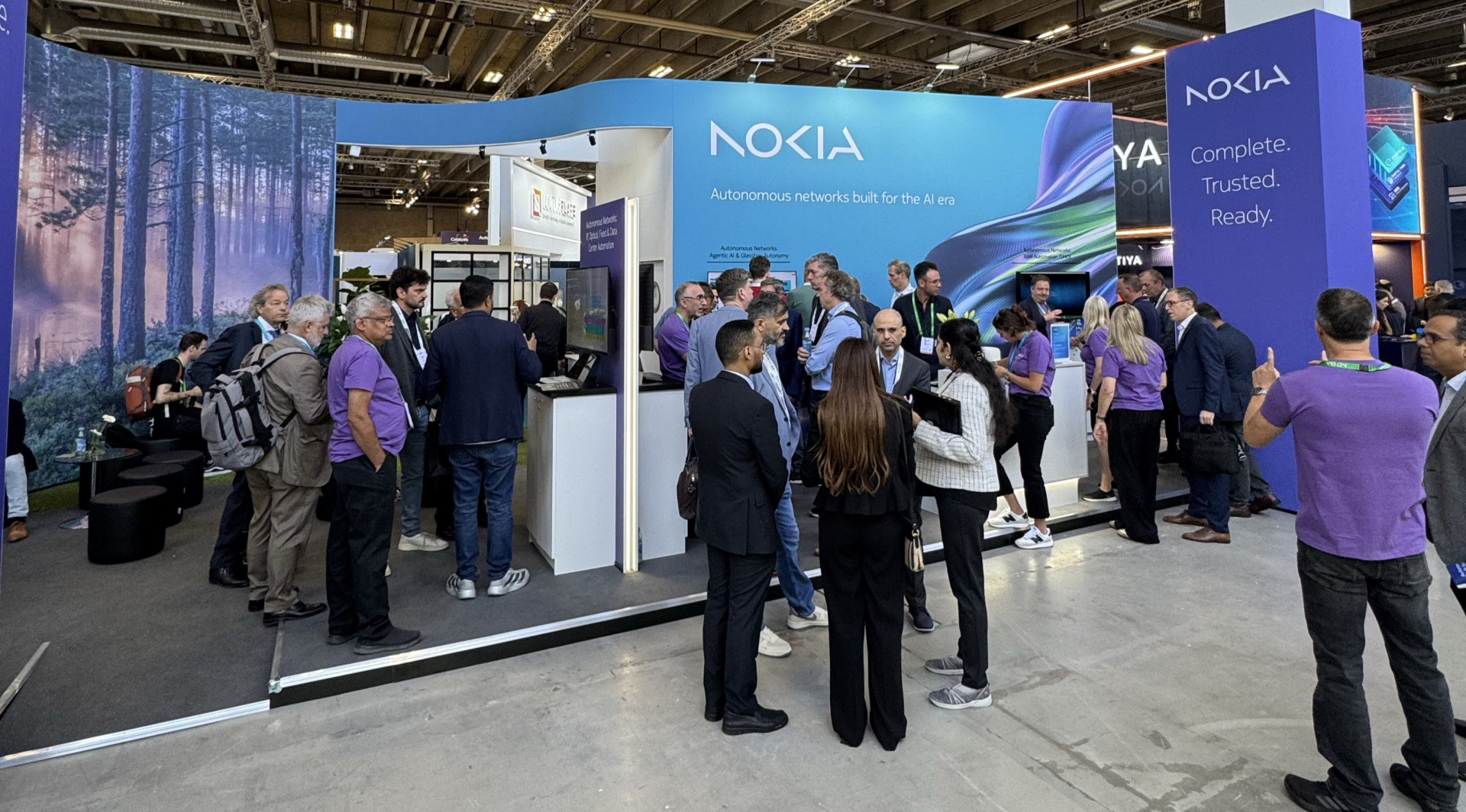
Nokia is expanding its autonomous-networks portfolio with a broader set of agentic AI capabilities aimed at helping telecom operators manage increasingly complex mobile infrastructure. The announcement brings together AI agents, radio-access automation and network-management tools across mobile, IP, fixed and optical environments.
The strategy is significant because operators are under pressure to improve service quality while handling more devices, applications and traffic patterns. Nokia’s approach focuses on introducing automation inside existing operational platforms, allowing providers to adopt specific use cases gradually rather than replacing their entire network-management stack at once.
AI agents designed for telecom operations
At the centre of the announcement is Nokia’s Autonomous Networks Agent Library. According to Nokia, it contains pre-built agents that combine reasoning, automated actions and telecom-specific operational knowledge. The company says these agents are designed for security, assurance and service operations, with examples including identifying potential zero-day attacks, investigating complex anomalies, triaging events and troubleshooting failed service orders.
Nokia also highlights observability, governance and what it calls “glass box autonomy”. In practical terms, that means operators should be able to see why an agent reached a conclusion, define the actions it is allowed to take and retain control over higher-risk decisions. That distinction matters in telecoms, where an incorrect automated change can affect large numbers of subscribers or critical services.
The company says the agents can coordinate with one another and that productivity gains typically range from 60% to 80% compared with traditional operations. Those figures are Nokia’s own claims rather than the result of an independent test published with the announcement, so operators will need to validate them against their own systems, workflows and service-level objectives.
RAN automation reaches the subscriber experience
Nokia’s updated Autonomous Networks Suite adds on-premises deployment options and use cases connected directly to mobile-network performance. The company points to improved VoLTE service quality, stronger observability and better optimisation of the subscriber experience in radio-access networks.
Its MantaRay SMO platform is also being expanded with Non-Real-Time RIC functionality. Nokia says the Open RAN-aligned system can use AI-enabled rApps to manage complex, multi-vendor radio networks, detect anomalies and support dynamic network slicing. The company is working with operators including NTT DOCOMO on further SMO, SON and rApp development.
For smartphone users, these changes would be felt indirectly. They are not new handset features or an app that consumers can download. Their potential impact is more stable voice service, quicker responses to faults, better use of network capacity and fewer disruptions when demand changes rapidly. The real outcome will depend on how operators deploy the tools, which network equipment they use and how much authority they give to automated systems.
One framework across more than mobile radio
Nokia is extending the same agentic approach beyond the radio network. Its Network Services Platform for IP networks can use AI agents that reason from live network context and operate within operator-defined policies and security boundaries. Nokia says its first application focuses on troubleshooting, root-cause analysis and reducing alert noise.
The company also describes new capabilities for fixed broadband platforms, including faster incident qualification and improved helpdesk resolution. In optical networking, Nokia’s WaveSuite framework is designed to detect key-performance anomalies and photonic-equipment failures before they affect service performance. Linking those domains could help operators investigate problems that cross the boundary between mobile access, transport and core systems.
That cross-domain element is important. A mobile outage is not always caused by the radio layer; it can involve backhaul, authentication, software or an optical component. A system that can correlate those signals may reduce the time engineers spend moving between separate dashboards. However, the announcement describes product capabilities and demonstrations, not independently verified improvements in a live commercial network.
Nokia’s message is therefore less about fully autonomous networks arriving immediately and more about creating a controlled path toward them. Operators can start with narrow tasks such as alert triage or service-order troubleshooting, monitor the results and expand the system’s authority as confidence grows. For consumers, the measure of success will be simple: more dependable calls, fewer interruptions and a network that adapts without making everyday connectivity harder to understand.
More details are available in Nokia’s announcement and its Autonomous Networks Fabric overview.