
Actualité
Nokia joins Indonesia AI infrastructure push with Zankore platform
Nokia, Indosat Ooredoo Hutchison, Ooredoo Group and NVIDIA are targeting a large AI infrastructure platform in Indonesia, with networking positioned as the link between regional compute and future mobile services.
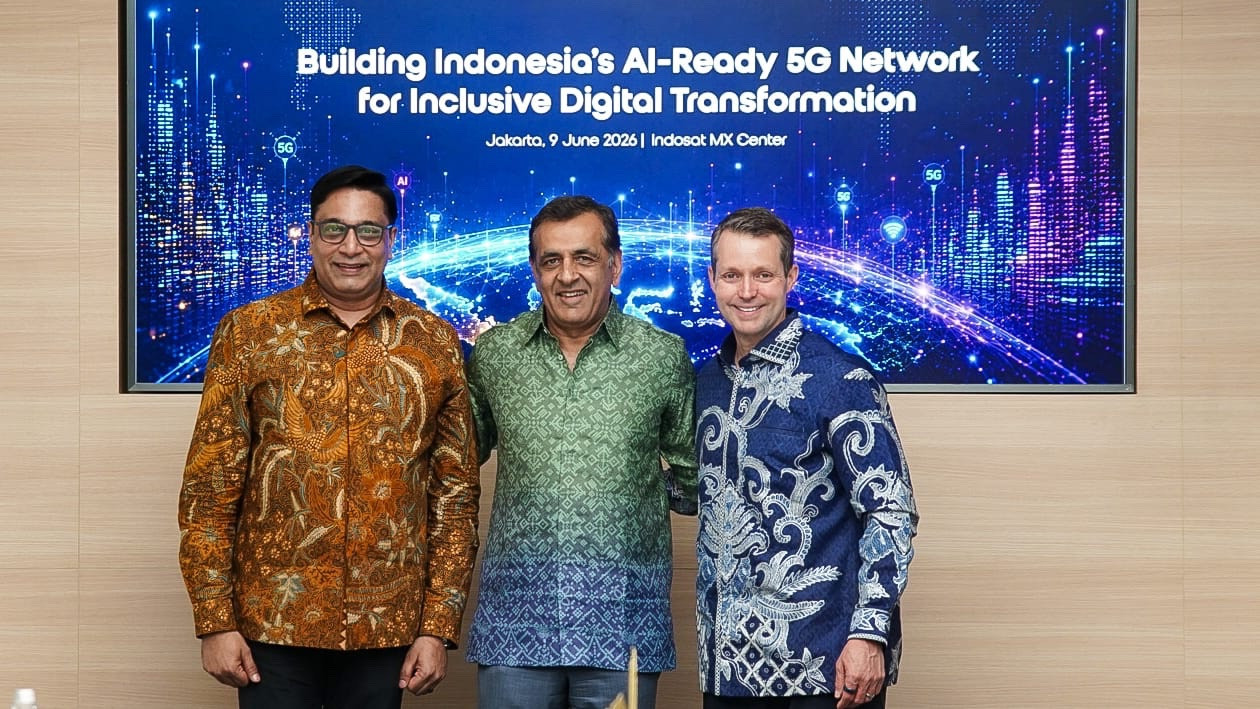
Telecom announcements increasingly begin away from the handset. The launch of Zankore by Indosat shifts attention to the computing and connectivity layer that could support the next generation of digital services. In its official newsroom announcement, Nokia says it is collaborating with Indosat Ooredoo Hutchison, Ooredoo Group and NVIDIA on a full-stack AI infrastructure platform for Southeast Asia.
The partners are targeting 1 gigawatt of NVIDIA DSX AI Factory capacity. That figure is a deployment target, not a completed facility, but it signals the scale at which regional telecom companies are preparing for AI workloads. Zankore is intended to combine accelerated computing, networking, power, cooling and operational systems into one platform for enterprises, governments, hyperscalers and AI developers.
Why this matters to mobile networks
For smartphone users, the announcement is significant because mobile services depend on more than radio towers and data plans. AI applications can require substantial processing, low-latency connections and reliable data movement between devices, networks and data centers. Indosat describes Zankore as part of an effort to meet growing demand for secure and scalable AI computing while strengthening Indonesia’s role as a regional AI hub.
Nokia’s role is focused on the network fabric connecting that infrastructure. The company says its AI-native networking technologies will support secure, high-performance connectivity across the platform. The announcement also references intelligent network capabilities including Nokia’s AI Grid and AI-RAN, linking the project to the wider move toward networks that can be optimized in software as traffic patterns change.
That does not mean a new AI feature is immediately arriving on Indonesian smartphones. The announcement contains no consumer handset launch, mobile application release, tariff, or public availability schedule. Its immediate subject is infrastructure: the systems needed to make large-scale AI services practical for businesses and public institutions, with possible consumer benefits depending on how operators later productize those capabilities.
A phased build rather than an instant network upgrade
Nokia says Zankore is expected to deliver approximately 200 megawatts of AI capacity in the first half of 2027, powered by NVIDIA GB300 NVL72 systems. The statement presents this as the first stage of a much larger platform, so the milestone should be read as a plan rather than a live service or independently measured performance result.
The partners also point to NVIDIA DSX MaxLPS, a power-optimization technology designed to enable up to 40 percent more compute within the same power budget. That is a claimed design capability in the announcement, not a result from an independent test of Zankore. The distinction matters because the useful output of an AI factory will depend on deployment conditions, workload mix, cooling, electricity supply and operational management.
The strategic shift behind Zankore
The project illustrates how telecom operators are moving into infrastructure roles traditionally associated with cloud and data-center companies. Ooredoo Group is described as the lead investor and platform sponsor, while Indosat brings local infrastructure and execution capabilities. NVIDIA supplies accelerated computing, software and ecosystem support. Nokia contributes the networking layer intended to connect compute resources securely and efficiently.
That combination also reflects the region’s push for more sovereign control over AI infrastructure. Building capacity locally can help organizations keep sensitive workloads closer to users and institutions, although the announcement does not promise a specific data-residency policy or consumer privacy feature. Those details will need to be clarified as Zankore moves from partnership announcement to deployment.
For the mobile industry, the important takeaway is the direction of travel. AI is becoming a network workload as well as a cloud application, and operators need infrastructure that can scale without treating every improvement as a new hardware cycle. Zankore is an early example of that model in Southeast Asia: a planned platform where compute, connectivity and operational control are designed together. Its success will ultimately be measured by what services become available, how reliably they perform, and whether the investment produces benefits beyond the data center.