
Actualité
OPPO’s 2025 Sustainability Report Puts Smartphone Design Under a Closer Environmental Lens
OPPO’s latest sustainability report links smartphone life-cycle assessments, packaging changes, lower operational emissions and ColorOS accessibility work.
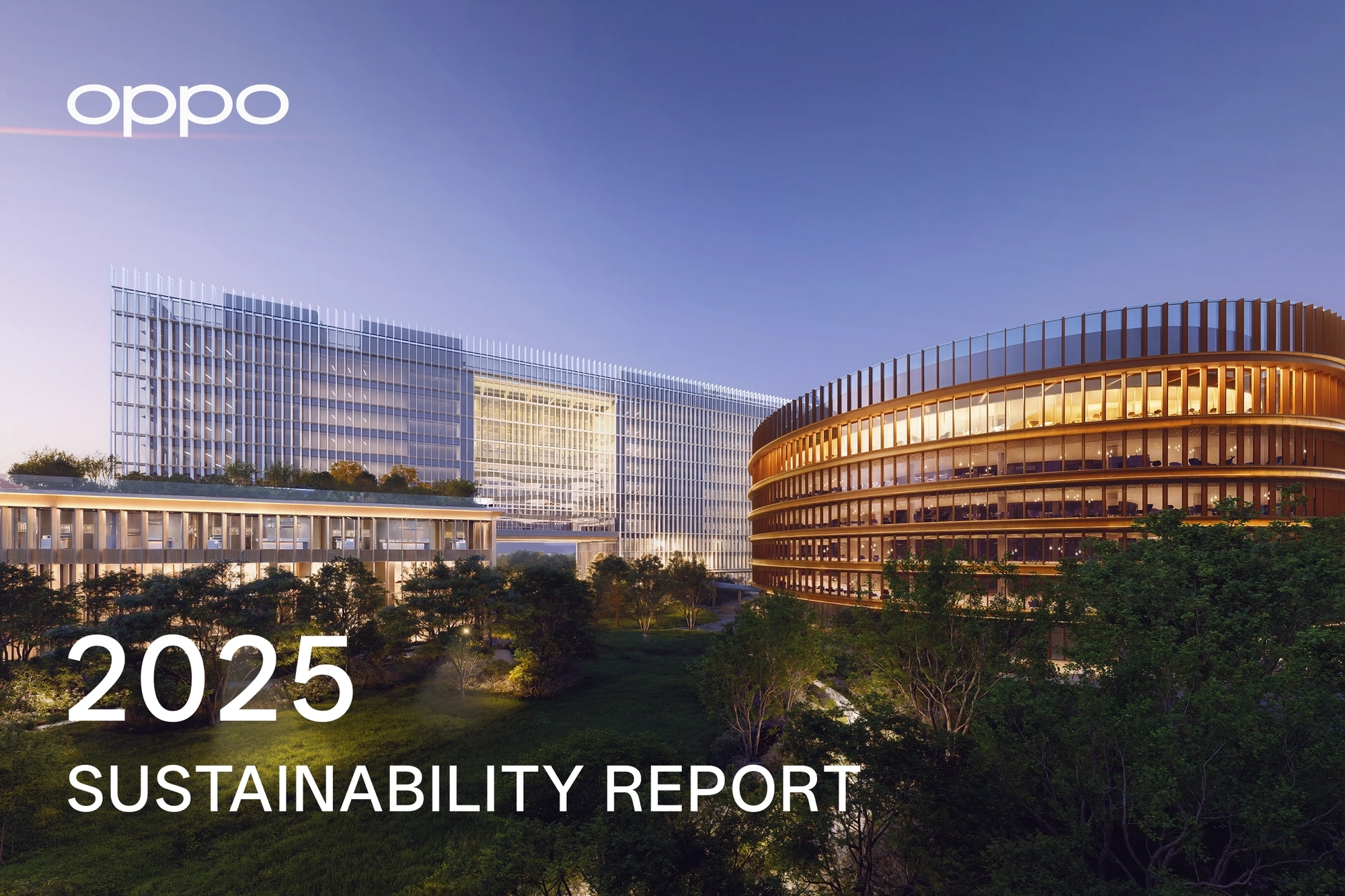
OPPO has released its 2025 Sustainability Report, outlining how the smartphone maker is applying environmental and accessibility work across product design, manufacturing and software. The announcement, published on June 30, 2026, is not a new handset launch. It is a progress report, but it matters to mobile readers because it connects sustainability claims to concrete parts of the phone lifecycle.
OPPO says the report covers a five-pillar framework: operations and compliance, environmental protection, caring for employees, virtuous innovation, and ecosystem engagement. The company also says its business now reaches more than 90 countries and regions. Those figures describe OPPO’s own reporting scope; they are not an independent ranking of smartphone sustainability.
Lifecycle checks move closer to smartphone design
The clearest handset-specific announcement is OPPO’s use of life-cycle assessments, or LCAs. The company says it completed assessments for 23 smartphone models during 2025, covering sourcing, manufacturing, logistics, use and end-of-life recycling. OPPO says the work is intended to support more environmentally conscious and lower-carbon product designs.
That is a useful shift in emphasis. A phone’s environmental footprint is not determined by the box alone, and a single recycling initiative cannot describe the full impact of a device. By naming the stages it studies, OPPO is presenting product development as a chain of decisions rather than a marketing label attached to one material. The release does not publish a model-by-model footprint or a full methodology, however, so the announcement cannot be used to say which OPPO phone has the smallest impact.
Packaging figures come with an important qualifier
OPPO says recycled wastepaper was used in the packaging of all its products in 2025. It reports that recycled wastepaper represented approximately 43% of smartphone packaging materials by total weight. In Europe, the company also began replacing traditional plastics with paper-plastic materials made from plant fibres and waste paper; those alternatives accounted for approximately 14% of smartphone packaging materials used in the region.
The wording matters. The 43% figure refers to packaging material by weight, not to the complete share of recycled content in every box, and the 14% figure is specific to the European packaging used by OPPO. These are company-reported proportions, not a promise that every market or model uses an identical package. For shoppers, the practical takeaway is that packaging is becoming a measurable design issue, while the available figures still need to be read in their regional context.
Operational emissions and electricity use
The report also gives a snapshot of OPPO’s wider operations. The company says carbon emissions from its own operations have declined year on year for the past three years, falling by a further 1.22% in 2025. It says it completed a Scope 3 emissions inventory covering eleven categories and recorded a 2.57% year-on-year decrease in Scope 3 emissions.
OPPO additionally reports that renewable electricity use across its manufacturing bases increased by nearly 70%. That figure is presented as part of the company’s carbon-reduction effort, alongside changes in products and packaging. The release states that the report’s data is current as of May 31, 2026, which is a useful boundary for interpreting the numbers. It also means the figures should not be treated as a live measurement of OPPO’s operations today.
ColorOS makes accessibility part of the story
The smartphone angle extends beyond materials. OPPO says it optimized more than 30 core ColorOS apps in 2025 to improve accessibility in everyday scenarios. For people with visual impairments, the company highlights TalkBack, Image Description, magnification, colour correction and colour inversion. For people with hearing impairments, it points to speech-to-text transcription and flash alerts.
These are software-level changes, but they affect how long and how broadly a phone can remain useful. A device that is easier to read, hear and control can serve more people without requiring a different hardware product. That is an inference about the user benefit, not a performance test: OPPO’s announcement lists the features but does not provide an independent assessment of their effectiveness.
The same section of the report says OPPO’s patent portfolio stood at 118,000 patent applications and 66,000 patent grants at the end of 2025. It also describes the opening of the company’s largest global sports-health research base in Binhaiwan, covering areas such as exercise, cardiovascular health, sleep health and lifestyle management. Those initiatives broaden the report beyond phones, showing how OPPO is framing sustainability as a combination of environmental, social and product-development work.
What the announcement establishes
OPPO’s release establishes that the company has published its 2025 report and that it is tracking smartphone life-cycle assessments, packaging composition, operational emissions, manufacturing electricity and ColorOS accessibility. It does not establish a universal carbon footprint for OPPO phones, a specific environmental advantage over another manufacturer, or a new consumer feature with a confirmed rollout.
Readers who want the underlying detail can consult the company’s full 2025 Sustainability Report and OPPO’s sustainability hub. The original OPPO announcement is the clearest source for the figures above. Taken together, the documents offer a useful snapshot of where a major smartphone brand says it is measuring progress—and where more granular, model-level evidence would still be needed.