
Actualité
Samsung’s mobile AI strategy puts context and trust ahead of raw autonomy
Samsung is framing its next mobile AI push around connected devices, personal context and user control rather than standalone chatbot power.
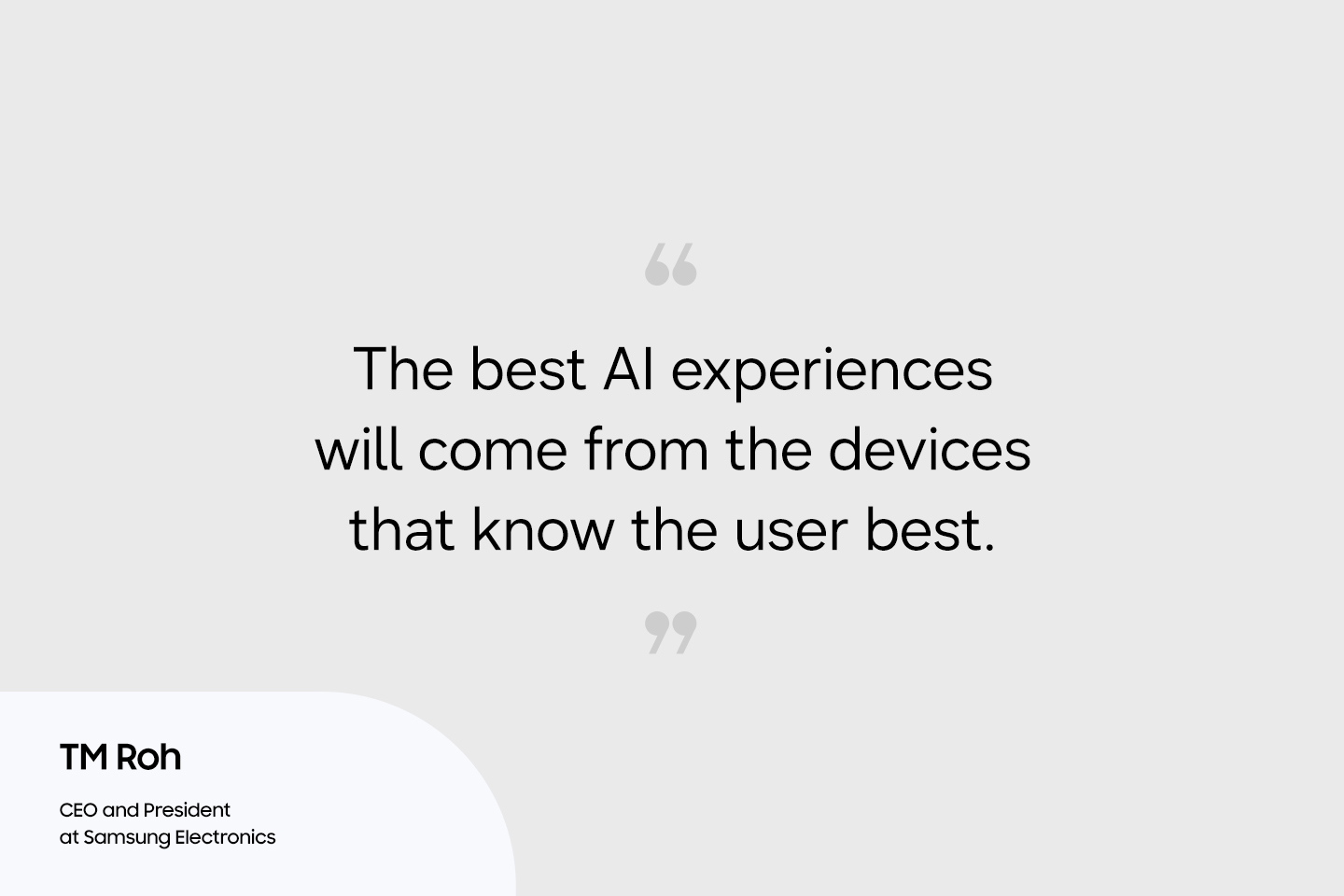
Samsung’s next mobile AI pitch is built around context, not simply larger models. In an official Samsung Mobile Press editorial, the company describes an agentic approach in which AI can take action for people while leaving the final decision with the user. The message places the smartphone at the centre of a wider network of apps, wearables, home devices and connected services.
That positioning matters because the mobile industry is moving from assistants that answer questions to systems expected to complete multi-step tasks. Samsung’s editorial presents this as a change in how people interact with technology: intelligence should meet users through devices they already carry and use throughout the day. It is a strategic statement rather than a detailed product launch, so it does not provide a full list of features, prices, supported markets or rollout dates.
From answering questions to taking action
Samsung says AI is entering an agentic phase, where software can act on a person’s behalf instead of merely responding to prompts. The company’s emphasis is not on removing the user from the process. Instead, it describes a model in which the system handles more of the work while the person remains responsible for the decision.
For smartphone users, that could eventually mean less time moving between apps, menus and devices. However, Samsung’s editorial does not announce a specific assistant workflow or promise that every app will support these interactions. The distinction is important: the company is outlining a direction for its ecosystem, not reporting the results of a hands-on test or confirming universal app compatibility.
The phone becomes the first entry point
Samsung argues that the phone is the device closest to most people, but it sees useful context coming from more than the handset alone. Its vision includes tablets, watches, televisions, connected home appliances and newer form factors such as intelligent eyewear. Signals from those products could help an AI system understand a person’s situation and offer assistance at a more relevant moment.
The company’s examples point toward a continuous ecosystem rather than an isolated chatbot. A watch may provide information about sleep or heart rate, while a phone supplies access to schedules, messages and apps. Samsung also presents foldable phones as a practical response to this direction: when AI helps with several tasks at once, a larger or flexible display can provide more room to review information and make decisions.
Trust is part of the product claim
Samsung’s second major argument is that more personal AI requires stronger safeguards. The editorial highlights Samsung Knox as a protection layer for Galaxy devices and for the connections between them. It also says that the most personal data should remain on the device where people can better understand how AI is working and retain control.
Those principles are relevant to mobile users because an agent that can read context across apps would potentially handle more sensitive information than a conventional search tool. At the same time, the editorial does not present an independent security audit, technical architecture or detailed data-retention policy. Readers should therefore treat the privacy language as Samsung’s stated design position, not as evidence that every future feature has already been verified.
What the ecosystem approach means for apps
Samsung connects its AI vision to openness, SmartThings and collaboration with partners. In practical terms, that suggests the company wants developers and services to participate in a common layer that can coordinate experiences across devices. If that model succeeds, the most useful AI actions may happen across several apps rather than inside one branded assistant.
There is still a gap between that ambition and the tools developers need to build against it. Samsung’s editorial does not specify new APIs, permission models, supported operating-system versions or commercial terms. Those details will determine whether the approach becomes a genuinely open platform or remains mostly a collection of tightly integrated Samsung experiences.
Why telecom operators should pay attention
The announcement also has implications beyond smartphones. A device ecosystem that continuously exchanges context could create new demands for connectivity, identity, latency and reliability. Operators may eventually become part of the experience when AI services move between phones, watches, homes and cloud systems. That is an industry-level inference, not a capability Samsung announces in the editorial, but it explains why device-centred AI matters to telecom as well as consumer electronics.
For now, Samsung’s message is best read as a roadmap for how it wants Galaxy products to evolve. The company is arguing that the winning AI experience will not be the one that appears most autonomous in isolation. It will be the one that understands enough context to reduce friction while remaining visible, controllable and trusted.
The next step is evidence. Samsung will need to show which devices can participate, how apps request access to context, what permissions users receive and how the system behaves when it is uncertain. Until those details arrive, the editorial offers a clear strategic signal but not a finished feature set. Samsung wants mobile AI to feel less like a separate destination and more like an intelligent layer connecting the devices people already use.