
Actualité
Samsung Art Store adds 34 Louvre masterpieces to its digital gallery
Samsung says its Art Store now offers 51 works from the Louvre, with regional and model compatibility limits that users should check before subscribing.
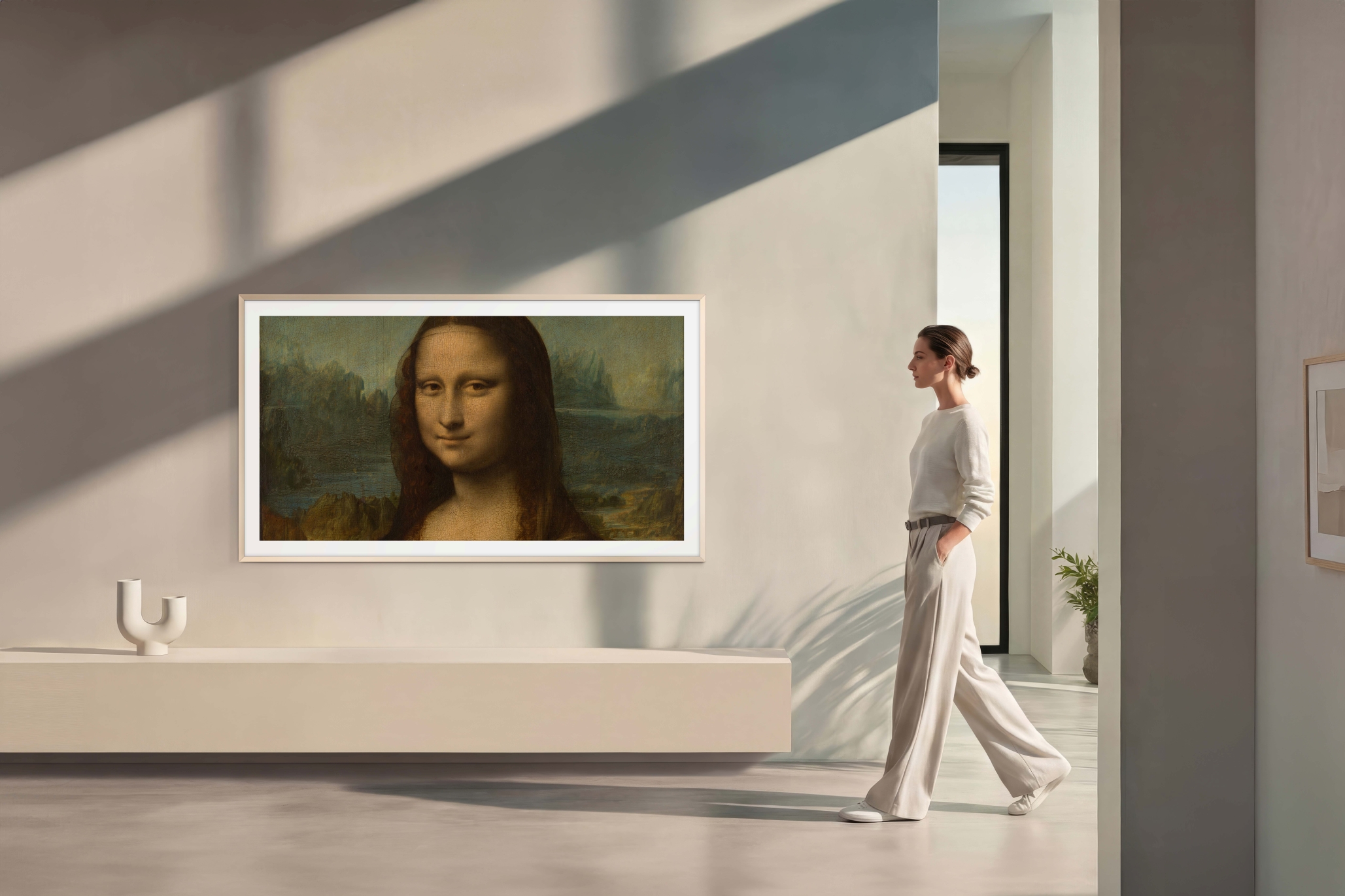
Samsung is expanding its Art Store with 34 works from the Louvre, bringing the service’s Louvre collection to 51 masterpieces. The announcement adds a significant cultural archive to Samsung’s connected-TV platform, but it also comes with model, market and subscription limitations that users should understand.
The new selection includes Leonardo da Vinci’s Mona Lisa, Eugène Delacroix’s Liberty Leading the People, Paolo Veronese’s The Wedding Feast at Cana and Jean-Auguste-Dominique Ingres’ La Grande Odalisque. Samsung says the wider collection also includes works by Caravaggio and Jacques-Louis David, alongside French Neoclassical and Academic paintings.
According to Samsung’s official announcement, the works are being made available through Samsung Art Store on compatible Samsung Art TVs. The service is designed to let owners discover and display museum art at home, rather than treating the television as a conventional screen used only for broadcasts or streaming.
A larger catalog, but not universal compatibility
Samsung describes Art Store as a subscription service with more than 5,000 artworks from over 800 artists, available in more than 115 countries. The Louvre addition therefore strengthens an existing catalog rather than launching a separate application or a new hardware platform. For users, the practical change is access to another institutional collection inside the Art Store experience.
Compatibility remains important. Samsung’s announcement says the Louvre collection is available globally except in 18 MENA countries. It also notes that compatible models can vary by year and region. Samsung lists several 2025 product families, including Neo QLED 8K, Neo QLED 4K, The Frame, The Frame Pro, Q8F, Q7F and The Movingstyle. For 2026 models, the company names Micro RGB, OLED, Neo QLED, Mini LED, The Frame and The Frame Pro.
Those model references should not be read as a guarantee that every television in one of those families supports the same catalog or subscription features. Samsung explicitly says availability may depend on the model, market and subscription status. Anyone considering the service should therefore check the Art Store entry on their television or confirm the regional support information before paying for access.
Why this matters for connected-device software
The announcement is easy to overlook because it is framed around artworks rather than mobile hardware. Yet it illustrates how manufacturers increasingly use software catalogs and account-based services to extend the life of connected devices. The value is not limited to the panel itself: it also depends on the content library, the interface used to browse it and the agreements that make new collections available.
For Samsung owners, that means the Art Store can become a recurring part of the device experience. A compatible television can act as a digital gallery when it is not being used for video, while the service gives Samsung a way to add new content without changing the underlying display hardware. The Louvre partnership also gives the catalog a recognizable anchor, with works that many users will identify immediately.
There is a clear distinction between a content expansion and a device update. Samsung is not announcing a new smartphone feature, a new display technology or a change to television picture performance here. The news concerns the library offered through an existing service. That makes the regional and compatibility notes just as important as the headline number of new works.
What users should check
Before treating the Louvre collection as a guaranteed benefit, users should verify three points. First, confirm that the television model supports Samsung Art Store. Second, check whether the collection is offered in the user’s country, since Samsung excludes 18 MENA markets from the global availability statement. Third, review the subscription requirement and current catalog terms, because Samsung says access can vary according to subscription status.
The collection is now presented as available through Samsung Art Store, but the exact viewing experience will still depend on the television and local service configuration. That caveat is useful because it separates the announcement’s confirmed content expansion from assumptions about every compatible device.
Samsung’s Louvre partnership shows how connected-device platforms are competing through services as much as through specifications. Adding 34 works is a straightforward catalog update, but the larger story is the continuing shift from hardware ownership toward software-managed experiences. For Art Store users with an eligible television, the Louvre collection offers a new set of works to explore. For everyone else, the announcement is a reminder to check compatibility and regional availability before treating a service headline as a universal feature.