
Actualité
Samsung’s Connected Care Vision Puts Phones at the Center of Preventive Health
Samsung presented an AI-led health strategy linking mobile devices, wearables, partners and clinical research, while framing Connected Care as a long-term direction rather than a new consumer app launch.
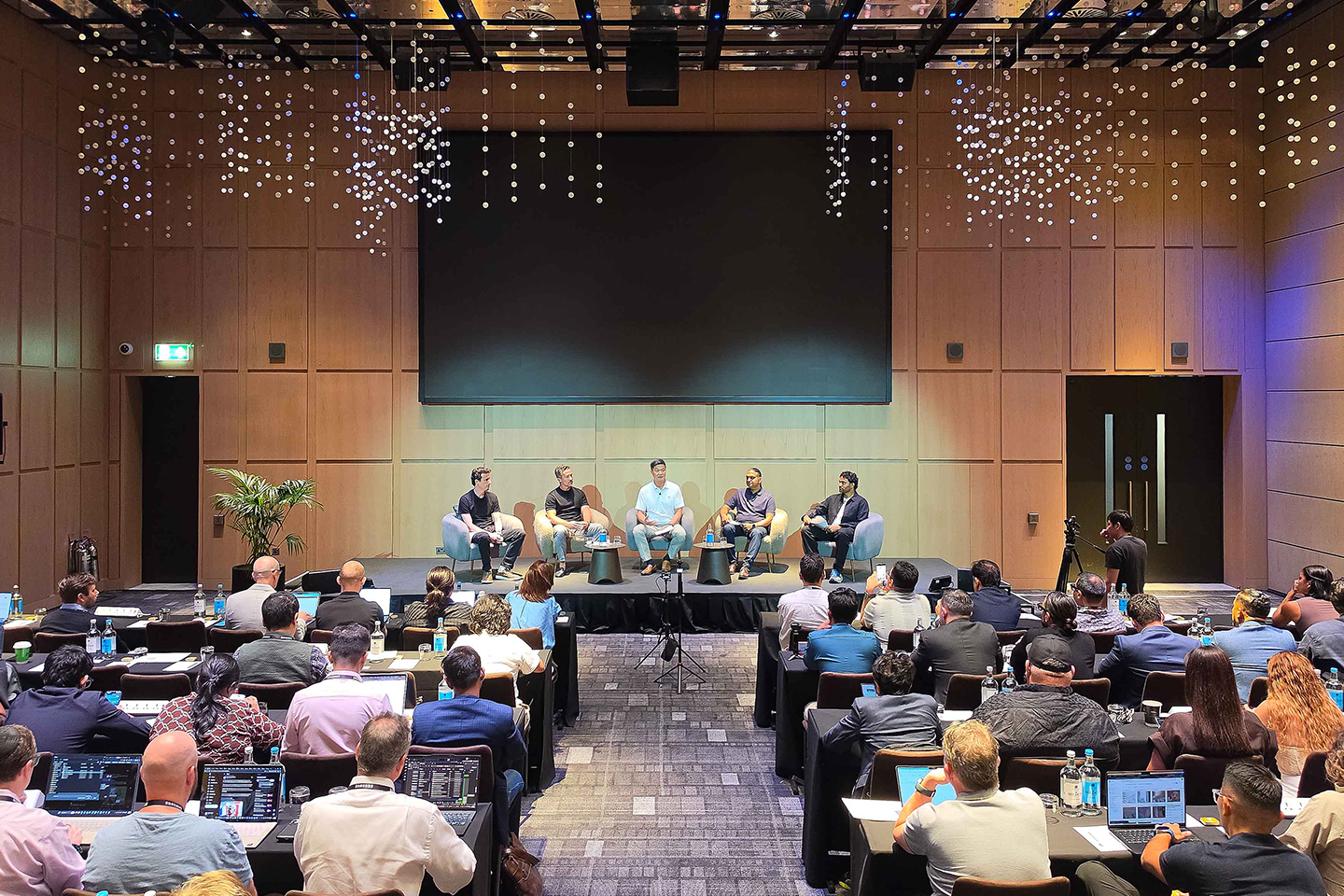
Samsung is positioning the smartphone as the control point for a broader approach to preventive health. At Galaxy Unpacked in July 2026, the company used a Health Forum panel to present Connected Care, a vision that links mobile phones, wearables, health services and artificial intelligence.
The announcement is significant because it moves beyond the familiar promise of counting steps or displaying heart-rate graphs. Samsung’s argument is that health technology becomes more useful when it can connect everyday behaviour with trusted clinical evidence and practical guidance. The company also stressed that this model will require partners rather than a single platform working in isolation.
From monitoring to action
Dr. Hon Pak, senior vice president and head of Samsung’s Digital Health Team, described two gaps that Connected Care is intended to address. The first is the distance between daily life and medical monitoring. People can collect information about sleep, stress, exercise and heart rate, but that data has not always been connected to the professionals or services that could interpret it.
The second gap comes after a person receives advice or a diagnosis. Knowing what to do is different from following a plan every day. Samsung’s approach is designed around the idea that a phone or wearable could provide timely, personalised support when a person is deciding what to eat, whether to exercise or how to maintain a healthier routine.
That does not mean Samsung announced a finished medical service. The company presented Connected Care as a direction for its ecosystem, with the emphasis on collaboration, evidence and privacy. This distinction matters: the July event was a strategy announcement, not a promise that every proposed capability is already available to Galaxy users.
An ecosystem built around Samsung Health
Samsung sees its mobile devices as part of a wider network that includes Samsung Health, Galaxy wearables, SmartThings and partner services. In its official Newsroom report, the company said that Samsung Health users can discover and subscribe to iFIT’s premium fitness programmes, while iFIT workouts can work with Galaxy Watch metrics during guided sessions.
The idea is to make health information more actionable without forcing users to manage a collection of disconnected tools. A workout can generate data on a watch, appear in a mobile health dashboard and contribute to a longer-term view of fitness. Samsung also described Fitness Index as a way to present a broader picture of physical fitness with personalised recommendations.
Nutrition is part of the same strategy. Samsung Food is presented as a way to connect meal planning with everyday behaviour, rather than treating food information as a separate tracking task. The company’s broader message is that the healthier option should become easier to choose because relevant services meet people inside the routines they already follow.
Clinical credibility and privacy are the difficult parts
Samsung’s presentation acknowledged that consumer data alone is not enough to establish medical trust. The company said its research teams are working with organisations including the NHS and hospitals in Europe on clinical validation studies involving cardiovascular risk, digital phenotyping and other health applications. The Samsung Mobile Press feature also described a decentralised clinical-trial framework in which healthcare organisations retain control of participant identities and data is pseudonymised from the beginning.
Those details point to the central challenge for Connected Care. A wearable may collect continuous signals, but turning those signals into useful health guidance requires evidence, careful interpretation and clear boundaries around what the system can claim. Samsung said it is treating user data as belonging to the user, with Samsung acting as custodian, and highlighted device-level protection through Samsung Knox alongside privacy-conscious infrastructure.
For consumers, that means the most important question will not simply be how much data a Galaxy device can collect. It will be whether users can understand what is being inferred, which services receive access, how long information is retained and when a recommendation is only a wellness prompt rather than medical advice. Samsung’s emphasis on clinical credibility and privacy suggests that it understands those concerns, although the company has not provided a single consumer-facing rulebook for the full Connected Care vision.
AI as the connective layer
Artificial intelligence is the third pillar of Samsung’s plan. Samsung Research teams are studying health foundation models designed to interpret biosignals such as ECG, acceleration and photoplethysmography data. Instead of treating each measurement as an isolated number, the company says these models could identify patterns across time and produce more personalised insights.
That ambition is technically attractive, but it also raises the bar for validation. Health signals are affected by movement, device fit, individual differences and changing circumstances. A model that appears helpful in a demonstration still needs testing in real-world settings before users should treat its output as dependable. Samsung’s reference to clinical partnerships is therefore more important than the AI branding: the credibility of Connected Care will depend on how openly the company reports evidence and limitations.
Why this matters for mobile technology
Samsung’s announcement reflects a wider shift in smartphones. The handset is becoming less of a standalone screen and more of a coordinator for sensors, apps, cloud services and connected devices. In that model, the phone can organise information from a watch, deliver a partner’s coaching programme, protect account access and provide the interface through which users decide what happens next.
The opportunity is clear, but so is the risk of making health management feel like another stream of notifications. Samsung’s strongest version of Connected Care would reduce friction and help people act on useful information without overwhelming them. Its weakest version would add more dashboards, subscriptions and automated recommendations without proving that they improve outcomes.
For now, Samsung has announced a framework rather than a single product. The next meaningful test will be whether its partnerships produce validated services that users can control, understand and use across everyday mobile life. Until then, Connected Care is best read as Samsung’s clearest statement yet that the future of its mobile ecosystem will be shaped not only by devices, but by the relationship between personal data, AI and trusted care.