
Actualité
Snap opens SPECS to developers with AI-assisted Lens tools and a Native Development Kit
Snap is expanding its SPECS augmented-reality platform with agentic development tools, spatial AI benchmarking, project migration support and native C/C++ integration for Lens Studio.
Snap is widening the software path for SPECS, its augmented-reality glasses platform, with a set of developer tools designed to make spatial computing easier to build. The company announced the tools on June 16, alongside the introduction of SPECS at Augmented World Expo 2026.
The announcement matters because it treats augmented reality as a software platform rather than a standalone hardware launch. Instead of asking developers to adapt an existing phone app to another screen, Snap wants them to create experiences that understand physical space, respond to movement and remain useful while people stay engaged with their surroundings.
AI-assisted development comes to Lens Studio
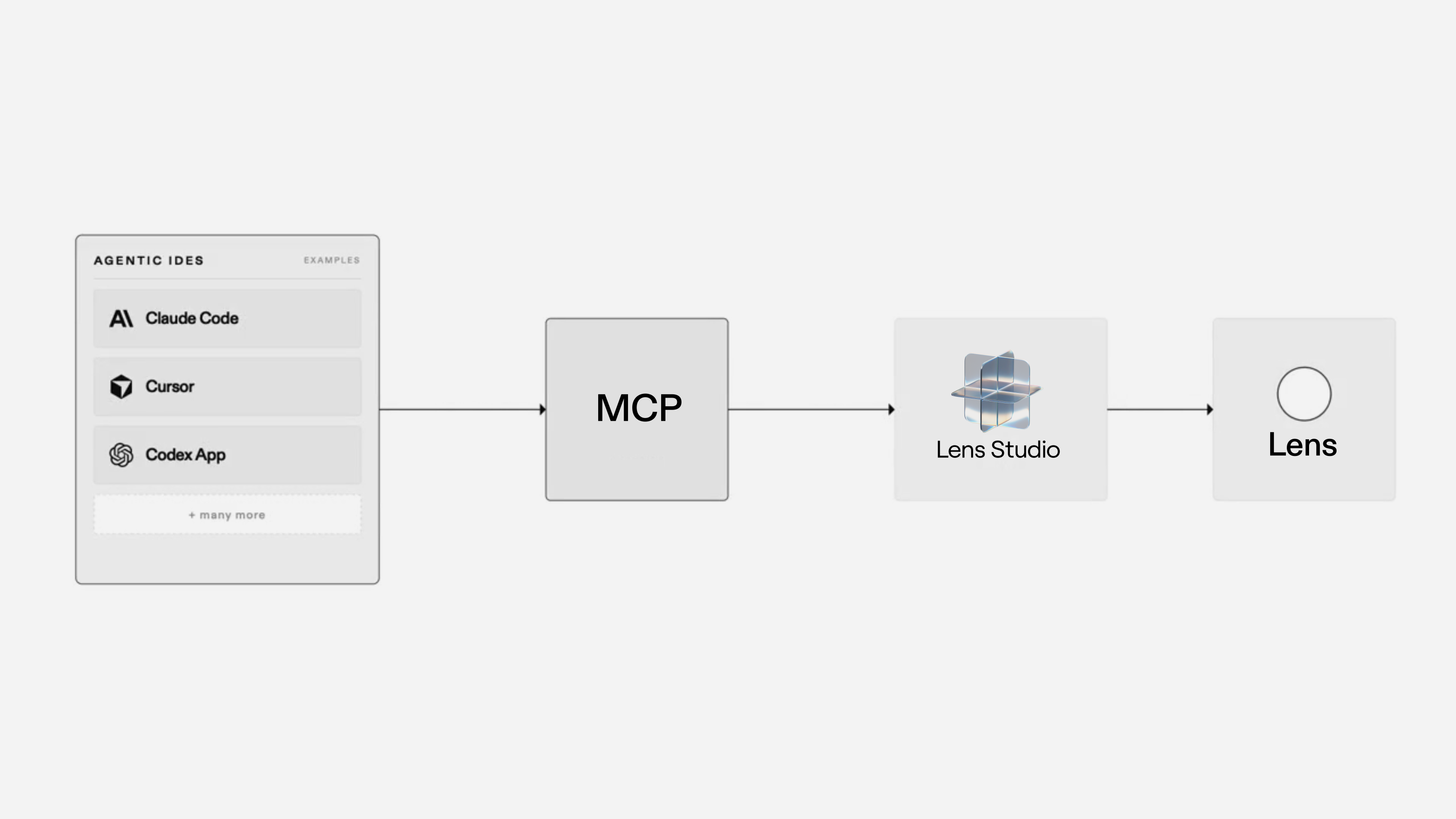
The most visible change is a developer preview of agentic development for SPECS Lenses in Lens Studio. Snap says the feature is being rolled out through AI coding tools including Claude Code, Codex and Cursor.
According to Snap, the agents and skills can help with repetitive parts of development, including exploring ideas, creating prototypes, testing, debugging, optimization, publishing and improving experiences after release. The company also says developers remain responsible for reviewing suggestions, directing the creative work and making final decisions.
That distinction is important. Snap is presenting AI as an assistant within the development workflow, not as a replacement for the developer. The practical effect will depend on how well the tools handle spatial interactions, device constraints and the unpredictable conditions of the real world.
A benchmark for spatial AI
Snap is also releasing the SPECS Spatial Benchmark. It is intended to help developers evaluate how AI models perform on spatial tasks such as reasoning about layouts, coordinates and relationships between objects.
For conventional mobile software, a model can often be assessed through text, images or structured data. Spatial applications add another layer: digital content must appear in the right place, respond to physical surroundings and maintain sensible relationships as the user moves. A benchmark focused on those tasks could give developers a more consistent way to compare models before integrating them into an experience.
Snap has not presented the benchmark as a guarantee that an application will work reliably in every environment. It is an evaluation tool, and the company has not published independent results showing how different models perform against it. Developers will still need to test their Lenses on actual hardware and in varied spaces.
Existing projects can be brought into the platform
For teams that already have augmented-reality projects, Snap is introducing a Migration Agent. The company says it can help port projects from tools such as Unity into native Lens Studio structures by translating project organization, visual components and scene configurations.
Snap also announced a Native Development Kit that allows developers to bring C and C++ code directly into Lenses. The company identifies spatial mapping, physics, audio, networking and navigation as examples of areas where teams may want to reuse performance-critical code.
Snap points to early partner work as an illustration of the approach. Niantic Spatial is bringing its VPS technology to SPECS through the Native Development Kit, while Mapbox says it ported its Navigation Engine in less than two hours. Those examples show the kind of software Snap wants on the platform, but they are company-provided demonstrations rather than independent performance tests.
A commercial layer is planned for Lenses
The platform also includes a business component. Snap says Commerce Kit will begin powering purchases and subscriptions inside Lenses at launch, giving developers a way to build paid experiences within the augmented-reality environment.
Developers can join the SPECS Developer Program and begin working with the new Lens Studio agents and skills. Snap is also inviting developers to apply to test prototypes on SPECS at Snap studios around the world, allowing teams to assess how their ideas behave on the hardware before preparing them for wider distribution.
Why this matters for mobile software
Smartphones turned apps into the main way people interact with digital services. Snap is making a similar argument for spatial computing: the next generation of experiences will be defined by what developers build, not only by the glasses themselves.
The difference is that a SPECS Lens is expected to use the surrounding environment as part of the interface. Navigation, education, collaboration and entertainment can be designed around locations, objects and movement rather than a flat display. That opens new possibilities, but it also creates stricter requirements for privacy, safety and testing.
Snap’s separate SPECS announcement says the glasses use an indicator when recording is taking place, prioritize on-device processing and give users control over what is stored, synced, shared or deleted. Those safeguards will be especially important as developers create applications that interpret physical spaces or use contextual AI.
For now, Snap’s announcement establishes a developer preview, a benchmark and several integration tools. It does not prove that SPECS will replace smartphone apps, nor does it provide independent evidence about the quality of real-world Lenses. The immediate significance is narrower and more concrete: Snap is trying to reduce the engineering work required to move existing spatial projects and new AI-assisted ideas into its augmented-reality platform.