
Actualité
TikTok Local Feed adds optional location controls
TikTok is introducing a U.S.-focused Local Feed for nearby businesses, events and services, alongside optional precise-location controls that remain off by default.
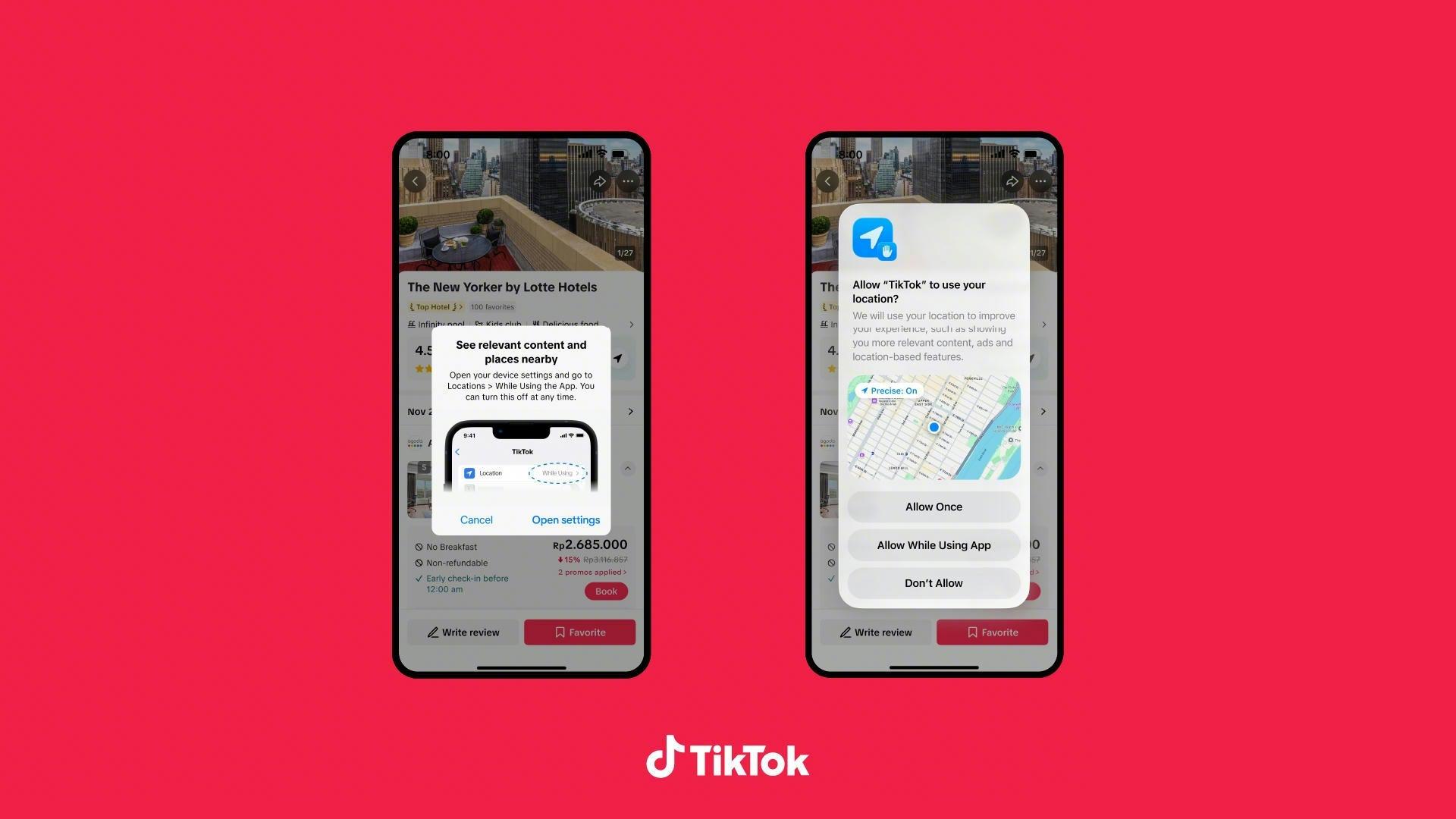
TikTok is adding a new Local Feed designed to make the app more useful for discovering places and activities nearby. The feature gives local restaurants, shops, museums, events and services a dedicated route into TikTok’s home experience, while allowing users to decide whether the app can use precise GPS location.
According to TikTok’s official announcement, the Local Feed is a new tab on the TikTok home screen. It is intended for people looking for recommendations in their own neighbourhood or exploring a new city. Posts can cover travel, events, restaurants and shopping, with local creators and small businesses forming a central part of the experience.
The feed is designed around three signals TikTok identifies in its announcement: location, topic and how recently a post was published. That combination could make the feature feel more immediately useful than a general recommendation stream when someone wants ideas for the current area. It also changes the way users may encounter local businesses: discovery can begin with a creator’s video rather than a traditional search for a venue or service.
TikTok is also setting limits on what can appear. Content from accounts belonging to people under 18 will not be included in the Local Feed. Posts from private accounts, as well as posts whose privacy is set to Friends or Only You, are excluded too. The result is a discovery surface built around content that creators have chosen to make broadly visible, rather than material shared only with a limited audience.
Precise location is a separate, optional control. TikTok says the setting will be introduced gradually across the United States, will be turned off by default and will be available only to accounts aged 18 or over. When enabled, it is active only while the app is in use, and users can disable it at any time through their device’s location settings. TikTok also says the phone displays an on-screen indicator when a location-based feature is using the permission.
That distinction is important. The announcement presents precise GPS access as a way to make local experiences more relevant, not as a permission that every user must accept. People who prefer not to share precise location can leave the setting disabled and continue to use TikTok without opting into that additional access. The exact experience may vary as the rollout progresses, because TikTok says both availability and access to precise location will be introduced gradually.
For users who do enable it, the practical privacy trade-off is straightforward: more precise location can improve the relevance of nearby recommendations, but it also gives the app a more detailed signal about where the device is being used. TikTok says the feature is protected in the TikTok USDS joint venture’s secure environment, and its privacy policy provides the broader framework for how personal information and location-related data are handled.
Users should therefore check the permission before switching it on, rather than treating the prompt as a routine step. On iPhone and Android, the operating system’s location controls provide the clearest place to review whether TikTok has access, whether that access is limited to app use and whether it can be revoked later. If local recommendations are not important, leaving precise location disabled is the simplest privacy-first choice.
For local businesses, the Local Feed creates another potential discovery channel inside an app already used for creator-led recommendations. TikTok’s announcement does not promise a particular level of reach, traffic or sales, so the feature should be understood as a new product surface rather than a guaranteed marketing result. Its value will depend on the quality and freshness of local posts, the rollout in each market and how often users choose to browse the tab.
For now, TikTok’s announcement is focused on the United States and does not provide a timetable for a wider rollout. The clearest immediate change is that local discovery and location privacy are being presented together: users get a dedicated way to find nearby content, while precise GPS access remains optional, visible and reversible.