
Actualité
Wear OS 7 brings live updates and Gemini plans to the wrist
Google is rolling out Wear OS 7 with glanceable live updates, improved device controls and a promised Gemini upgrade for select watches later this year.
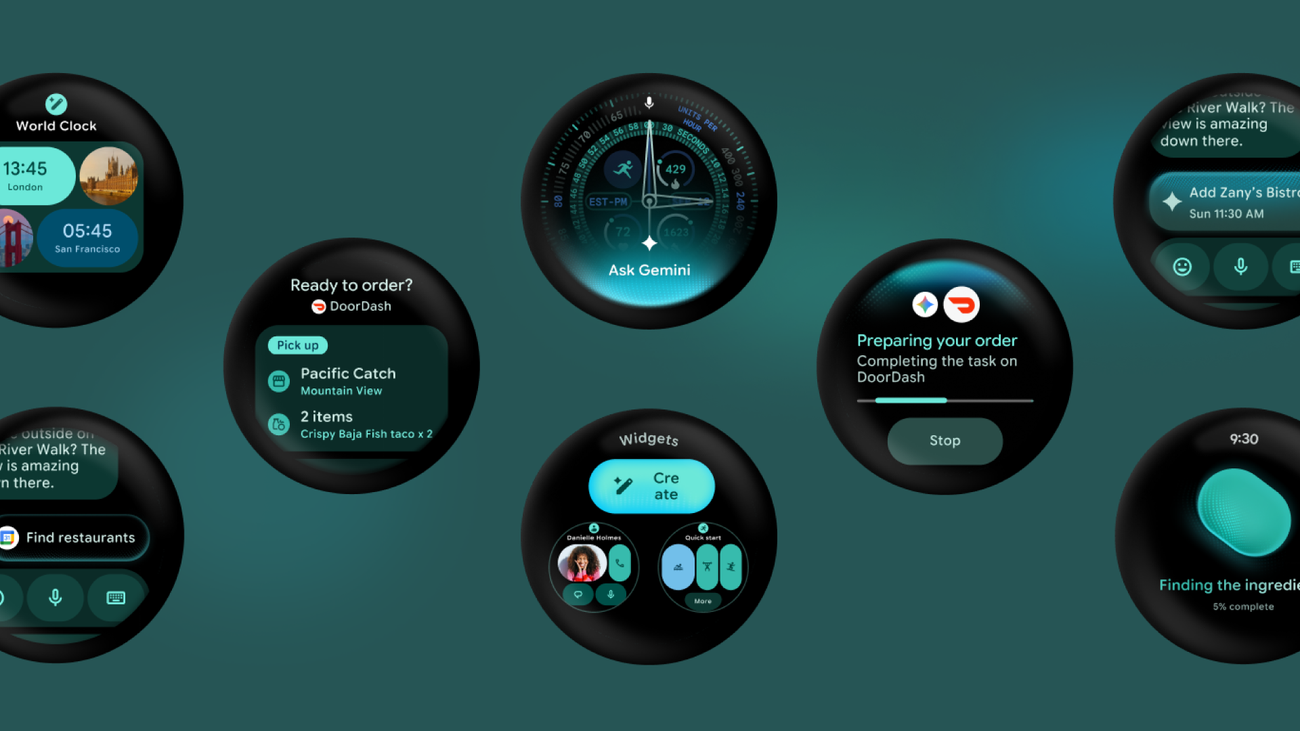
Google is rolling out Wear OS 7 to eligible Pixel Watch devices, putting more information and controls within reach without requiring users to take out their phones. The update focuses on quick, glanceable interactions, tighter links with connected devices and a future expansion of Gemini features on the wrist.
Announced by Google on June 16, 2026, Wear OS 7 is positioned as an update for people who keep their smartwatch on throughout the day. Google says more than half of Wear OS users wear their watch seven days a week, while the most active users wear theirs for more than 23 hours a day. That usage pattern explains the update’s emphasis on reducing the number of steps needed to check information or start a task.
The most visible change is support for Android Live Updates on the watch. Instead of opening a phone app repeatedly, users can see ongoing information at a glance, such as a sports score, the progress of a food order or workout data. Google’s examples show Live Updates from compatible apps appearing directly on the watch face, although the company does not say that every app will support the feature immediately.
This matters because smartwatches often work best when they shorten an interaction rather than reproduce a complete phone experience. A delivery status or match score can be useful in a compact form, while a long message or complex form still belongs on a larger screen. Wear OS 7 therefore extends an existing Android feature to the wrist without suggesting that the watch should replace the smartphone for every task.
Google is also expanding the way Wear OS 7 interacts with other devices. The operating system can control media across headphones, home speakers and other connected products through a media output switcher. Users can move audio from one device to another from the watch, which could be useful when leaving home, switching to earbuds or changing where music is playing.
The update is designed with future connected products in mind as well. Google says Wear OS 7 is built to work more closely with devices such as earbuds and intelligent eyewear. In one example, a user taking a photo with audio glasses could review the capture from a compatible watch. That is still an ecosystem scenario rather than a promise that every watch and accessory will work together, so compatibility will depend on the products and software involved.
Gemini is the other major part of Google’s roadmap. Select Wear OS 7 devices are expected to receive Gemini Intelligence features later in 2026. Google describes a Create My Widget tool that would let users build custom dashboards with natural-language instructions. A person might ask for a view combining calendar information, weather and selected health data, although Google’s announcement does not confirm every possible data source or widget combination.
Google also says Gemini will be able to handle multi-step tasks from the watch. Its examples include reserving a front-row bike for a class or ordering a usual meal from a restaurant. The announcement presents these as planned capabilities, not as a feature that is already available on every Wear OS 7 device. Users should therefore treat the timing, supported apps and regional availability as dependent on the later rollout.
Personal Intelligence is another planned Gemini capability. Google says it can reference information from Google apps such as Gmail and Search, as well as chat history, to connect information and offer more personalised suggestions. That promise makes privacy and account controls especially important: people should check which services are connected and understand what information an assistant can use before enabling features that combine data across apps.
Battery life is also part of the update. Google says average users upgrading from Wear OS 6 to Wear OS 7 can expect up to a 10% improvement in battery life through system-level power optimisations. This is Google’s stated expectation, not an independent test result, and real-world endurance will vary with the watch model, display settings, connected services, workouts, notifications and use of cellular or location features.
For now, the practical takeaway is straightforward. Eligible Pixel Watch owners can look for the Wear OS 7 rollout, then check whether Live Updates and device controls are available for the apps and accessories they already use. Gemini Intelligence belongs to a later phase and should be evaluated as an upcoming capability rather than a reason to assume that every Wear OS 7 watch already has an on-device AI assistant.
The complete feature overview is available in Google’s official Wear OS 7 announcement. As with any platform update, the safest approach is to install software through the watch’s normal system update flow, keep the paired phone updated and review account permissions before activating new cross-device or AI features.