
Guide
How to Verify Google’s Pixel 2026 Announcement
A source-led guide to checking Google’s 2026 Pixel announcement, separating confirmed statements from company claims that require independent testing.
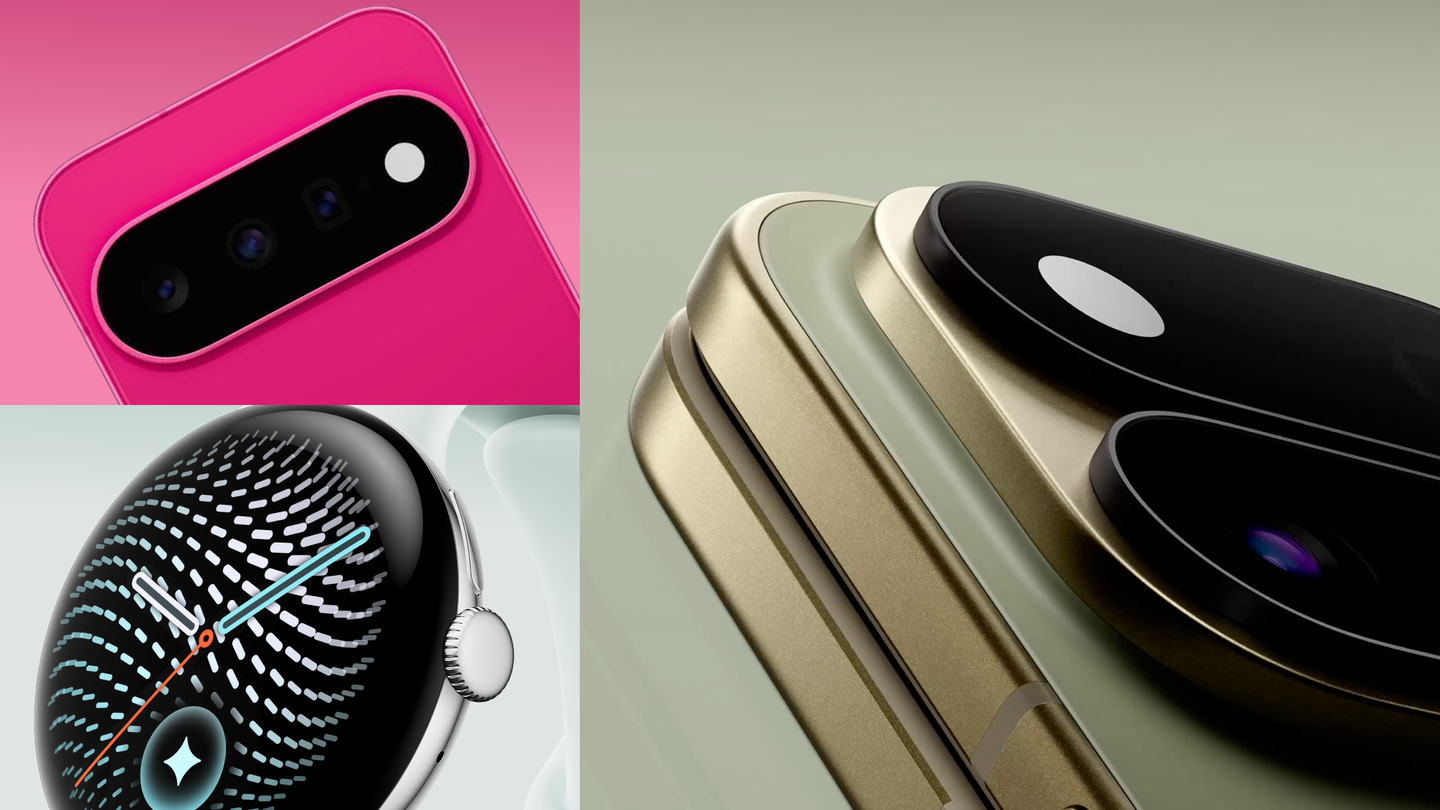
Google announced new Pixel devices on August 12, 2026. The announcement covers the Pixel 11, Pixel 11 Pro, Pixel 11 Pro XL and Pixel 11 Pro Fold, alongside the Pixel Watch 5 and Pixel Tag. For readers who want verified reporting rather than launch-day hype, the useful question is not simply what Google announced. It is how to identify what the record establishes, what remains a company description and what should not be presented as a test result.
1. Start with the dated source
Begin with Google’s August 12 announcement. Record the date before reviewing the product details. This prevents later summaries from blending the 2026 announcement with older Pixel coverage or with unrelated Android updates. The date is a verified part of the record, so it can be stated directly in a report.
Keep the wording close to the source when describing the announcement. Google presents the new phones as designed for Gemini Intelligence, more durable and equipped with major camera improvements. Those are descriptions made by Google. A source-led report should attribute them clearly instead of turning them into independent conclusions about performance, durability or image quality.
2. Build a factual inventory
Next, list only the devices explicitly named in the announcement. The phone range contains four models: Pixel 11, Pixel 11 Pro, Pixel 11 Pro XL and Pixel 11 Pro Fold. The same record also identifies Pixel Watch 5 and Pixel Tag. This simple inventory makes it easier to avoid merging features from one product with another.
For Pixel Watch 5, separate each stated capability. Google says the watch brings proactive Gemini Intelligence capabilities, personalised strength-training coaching and GPS route tracking that it presents as its most accurate. Google also says Health Guardian includes blood-pressure and insulin-resistance trends. Finally, it describes breathing-related emergency detection as a first for the smartwatch sector.
These statements should remain attached to Pixel Watch 5 in any summary. They should not be recast as proof that the watch diagnoses a condition, improves health outcomes or delivers a measured GPS result. The source supports reporting what Google says the product offers; it does not provide a hands-on protocol or clinical evidence.
3. Treat the Pixel Tag claims separately
Pixel Tag belongs in a different part of the inventory because it is a locating accessory, not one of the announced phones. Google says it uses the Find Hub network to help locate objects. The announcement also describes a durable stainless-steel construction, a long-lasting battery and an integrated speaker that emits a sound when activated.
A careful report can therefore explain the intended use and the stated features without adding an operating range, battery duration, water rating or location accuracy figure. None of those measurements is established by the facts in this dossier. Keeping the paragraph limited to the source makes the article more useful because readers can distinguish a confirmed description from a specification that would need separate evidence.
4. Use the GSMA record as context, not proof
The second source is the GSMA announcement of the 2025 GLOMO Awards, dated March 5, 2025. It says the Google Pixel 9 Pro won the Best Smartphone category and Google Gemini won Breakthrough Device Innovation. This is relevant historical context for Google’s mobile and AI positioning, but it does not establish an award for the Pixel 11 family or prove the performance of the 2026 devices.
When using this context, keep the generations and dates visible. Pixel 9 Pro belongs to the 2025 awards record; Pixel 11, Pixel 11 Pro, Pixel 11 Pro XL and Pixel 11 Pro Fold belong to the 2026 announcement. Combining them into one undated claim would create a misleading impression.
5. Apply the final verification checks
Before publishing, read each sentence and ask which source supports it. If a sentence describes a product name, announcement date or feature explicitly stated by Google, it can be reported with a link to the announcement. If it describes an award, use the GSMA link and keep the 2025 date. If it claims speed, accuracy, endurance, medical effectiveness or a personal experience, remove it unless the record supplies evidence for that claim.
Do not write as though the devices have been tested. This guide is based on the two cited official records and contains no hands-on testing. The safest wording uses attribution: “Google says,” “the announcement lists” or “the GSMA reported.” That language is not a weakness. It tells readers exactly where the information comes from and preserves the boundary between verified reporting and promotional language.
The result is a concise, checkable account: Google announced four new Pixel phones on August 12, 2026; it described their Gemini Intelligence, durability and camera positioning; it detailed capabilities for Pixel Watch 5 and Pixel Tag; and the GSMA’s earlier record provides separate 2025 award context. Everything beyond those points requires evidence outside this dossier and should not be added to the report.
Official sources
Official source: blog.google
Official source: gsma.com
Related reading
Signal Optional Secure Backups Android Beta Rollout
Oppo Aios Memory App Search Privacy
What you need to know
Oppo Aios Memory App Search Privacy